
Call us
301-363-4651 (Available 9 a.m. to 5 p.m. CST from Monday to Friday)

| Code | CSB-RA049199A0HU |
| Size | US$210 |
| Order now | |
| Image |
|
| Have Questions? | Leave a Message or Start an on-line Chat |
| Application | Recommended Dilution |
|---|---|
| IHC | 1:50-1:200 |
| IF | 1:50-1:200 |
Keratin 13 (KRT13) is a type I intermediate filament protein that serves as a well-established marker of non-keratinizing stratified squamous epithelia. Expressed predominantly in the suprabasal layers of mucosal tissues, KRT13 plays essential roles in maintaining epithelial integrity and cellular architecture. Its expression patterns make it particularly valuable for researchers investigating epithelial differentiation, tissue homeostasis, and pathological changes in squamous cell carcinomas where altered keratin profiles often accompany disease progression.
This recombinant monoclonal antibody, clone 22C9, offers the reproducibility that demanding research applications require. Developed using recombinant technology with a defined sequence, this antibody eliminates the lot-to-lot variability that can compromise longitudinal studies or multi-site collaborations. The rabbit IgG format, raised against a synthetic peptide derived from human KRT13, provides consistent performance across experiments while the affinity-chromatography purification ensures high specificity for your target.
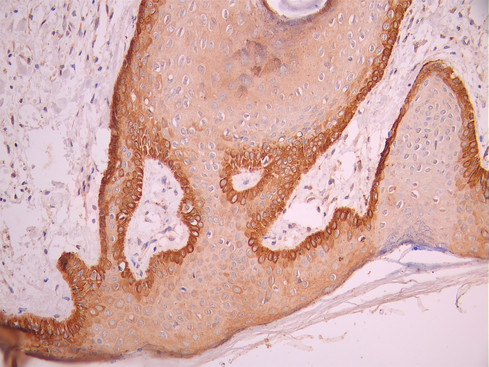
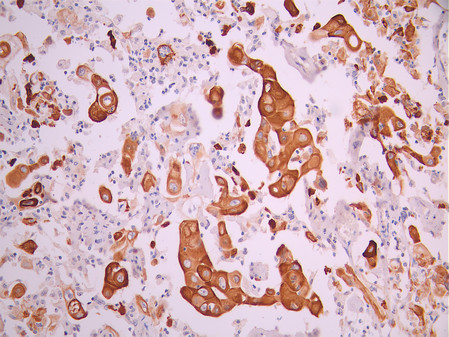
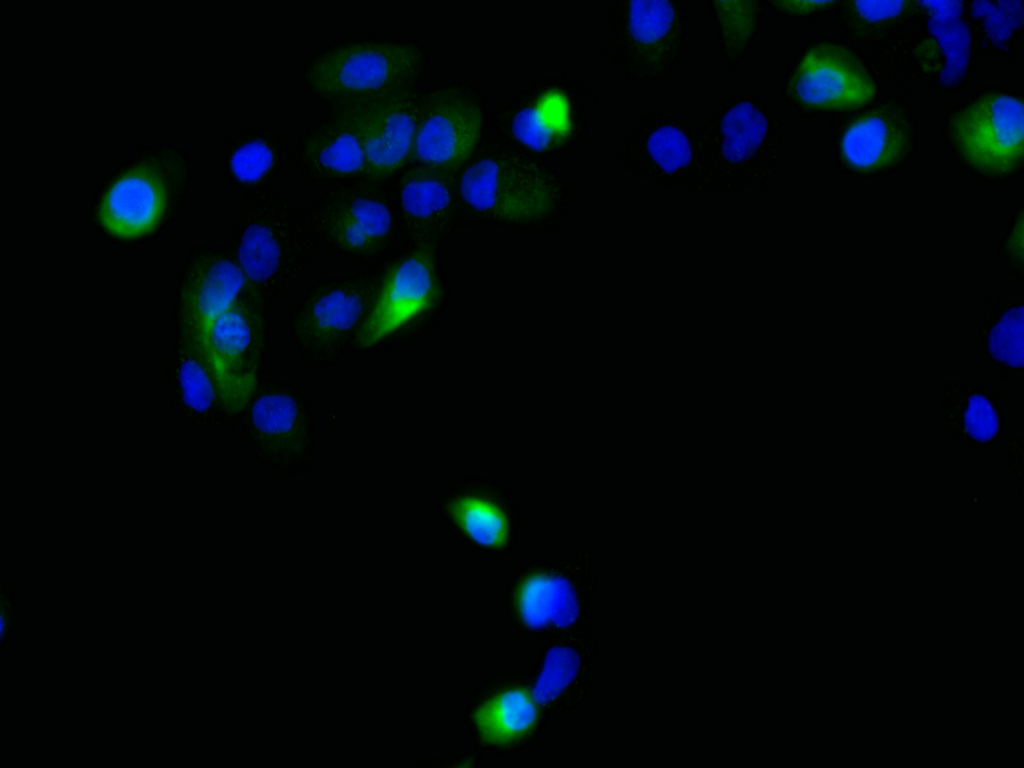
Validation studies demonstrate robust performance in both immunohistochemistry and immunofluorescence applications. In paraffin-embedded human skin tissue, the antibody produces clear staining at 1:100 dilution using citrate buffer antigen retrieval, confirming its utility for examining normal epithelial architecture. Testing in human cervical cancer tissue under identical conditions reveals reliable detection in pathological specimens, supporting its application in oncology research. Immunofluorescence studies in A-431 cells, a human epidermoid carcinoma line, further validate the antibody's performance in cell-based assays at 1:50 dilution.
Whether you are characterizing epithelial differentiation markers, investigating squamous cell carcinoma biology, or establishing tissue-specific expression profiles, this antibody provides the technical consistency needed for meaningful, reproducible results in your research workflow.
There are currently no reviews for this product.





