

Call us
301-363-4651 (Available 9 a.m. to 5 p.m. CST from Monday to Friday)

| Code | CSB-RA616977A0HU |
| Size | US$210 |
| Order now | |
| Image |
|
| Have Questions? | Leave a Message or Start an on-line Chat |
| Application | Recommended Dilution |
|---|---|
| IHC | 1:50-1:200 |
| IF | 1:50-1:200 |
| FC | 1:50-1:200 |
MAP1LC3A, commonly known as LC3A, serves as a central marker in autophagy research, functioning as a ubiquitin-like modifier essential for autophagosome formation and maturation. This protein's lipidation and membrane association during autophagy induction make it an indispensable tool for monitoring autophagic flux, with applications spanning cancer biology, neurodegeneration, and cellular stress response studies.
This recombinant monoclonal antibody, clone 11B9, offers the reproducibility that autophagy researchers require when tracking dynamic cellular processes. Generated through recombinant technology in rabbit host, this antibody provides sequence-defined consistency between lots, ensuring that your autophagy assays deliver comparable results across extended experimental timelines. The defined molecular composition eliminates the variability inherent in traditional hybridoma-derived antibodies, giving you confidence in longitudinal studies where consistent detection sensitivity is paramount.
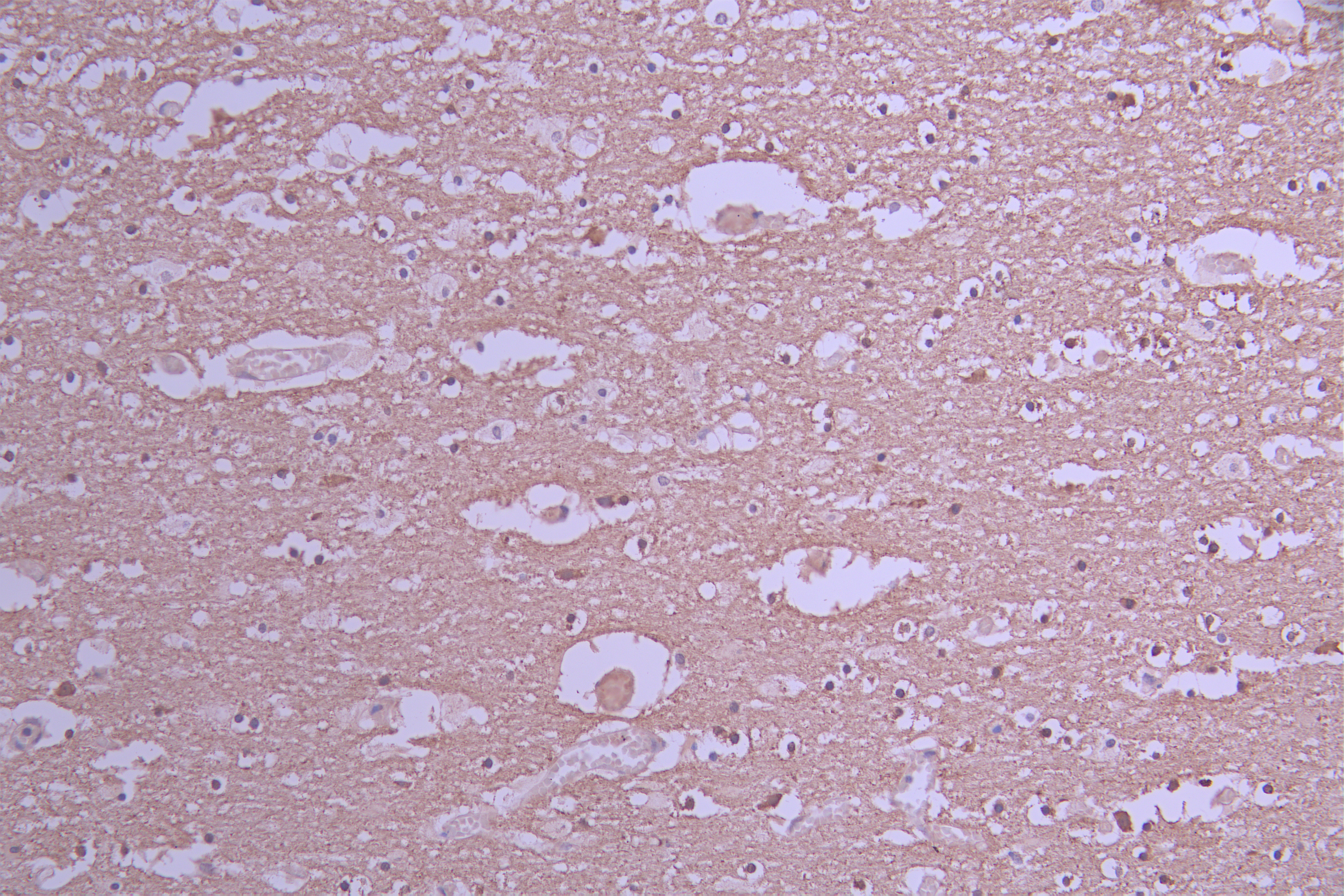
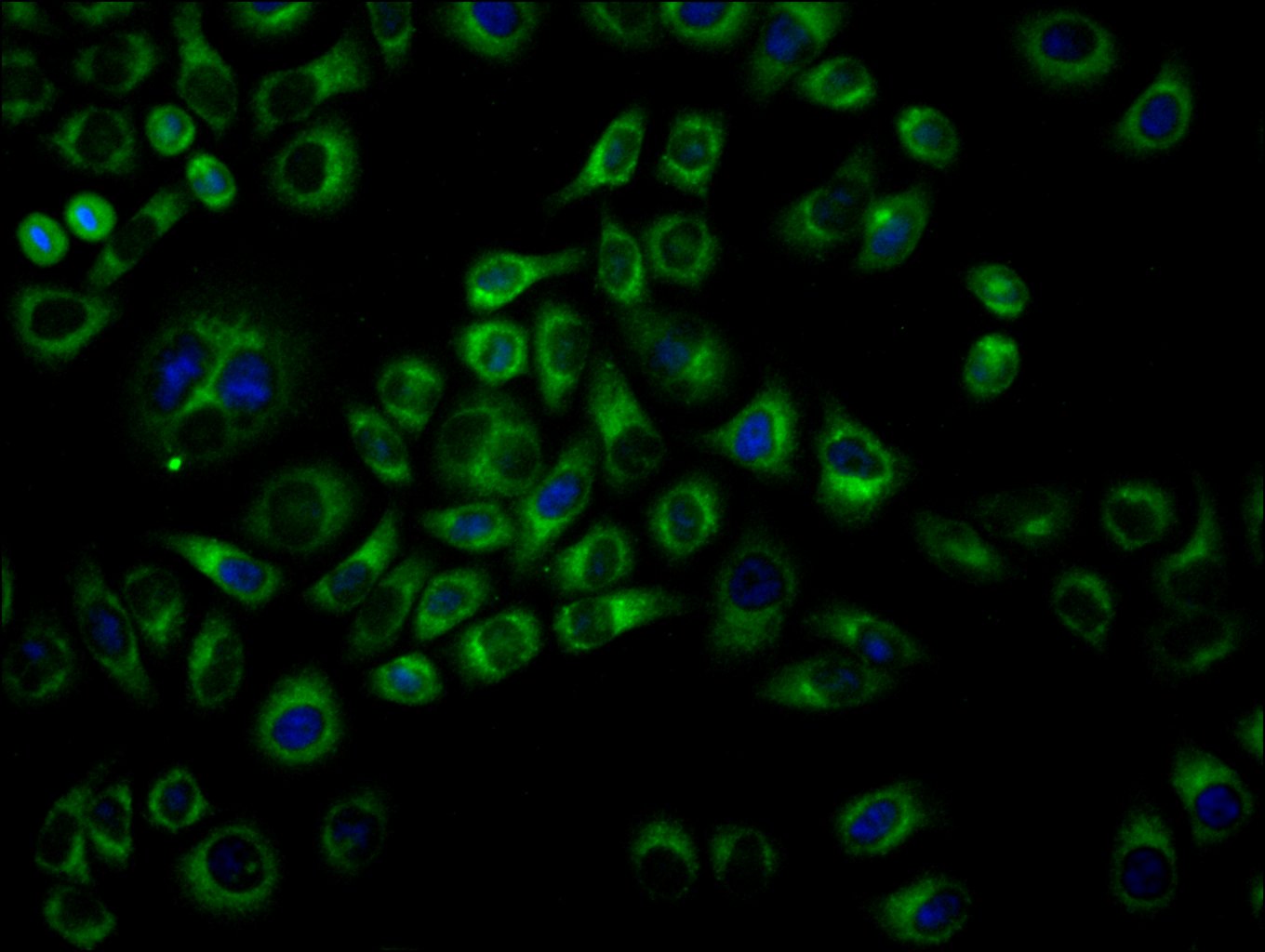
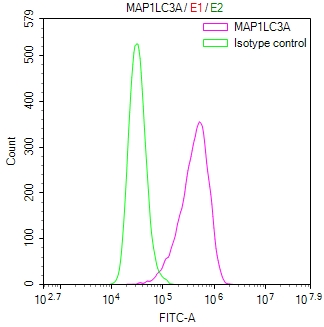
Validation across multiple platforms demonstrates this antibody's versatility in your experimental workflow. Immunohistochemistry studies in human glioma cancer tissue and normal brain tissue confirm reliable detection in paraffin-embedded samples at 1:100 dilution, making it suitable for investigating autophagy in both pathological and physiological contexts within the central nervous system. Immunofluorescence analysis in HeLa cells reveals clear cytoplasmic staining patterns consistent with LC3A's known subcellular distribution, while flow cytometry validation in the same cell line enables quantitative assessment of autophagy marker expression at the single-cell level.
Whether you're investigating autophagy dysregulation in cancer, examining neuroprotective mechanisms, or studying cellular responses to metabolic stress, this antibody provides the technical foundation for robust, reproducible detection of this critical autophagy marker in human samples.
There are currently no reviews for this product.





