
Call us
301-363-4651 (Available 9 a.m. to 5 p.m. CST from Monday to Friday)

| Code | CSB-RA288465A0HU |
| Size | US$210 |
| Order now | |
| Image |
|
| Have Questions? | Leave a Message or Start an on-line Chat |
| Application | Recommended Dilution |
|---|---|
| IHC | 1:50-1:200 |
| FC | 1:50-1:200 |
NDUFAB1, also known as mitochondrial acyl carrier protein, serves a dual role in cellular metabolism that makes it a compelling target for researchers investigating mitochondrial function and energy production. As a core subunit of Complex I in the electron transport chain, NDUFAB1 is essential for NADH-ubiquinone oxidoreductase activity, while simultaneously participating in mitochondrial fatty acid synthesis. This functional intersection positions NDUFAB1 as a key player in understanding metabolic disorders, cardiovascular disease, and conditions linked to mitochondrial dysfunction.
This recombinant monoclonal antibody, clone 23B9, offers the reproducibility and consistency that demanding experimental workflows require. Developed using recombinant technology with a defined sequence, it eliminates the lot-to-lot variability that can compromise longitudinal studies or multi-site collaborations. The rabbit host and monoclonal nature ensure high specificity for human NDUFAB1, providing confidence when interpreting results in complex tissue environments.
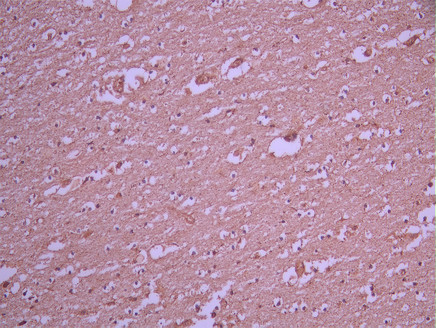
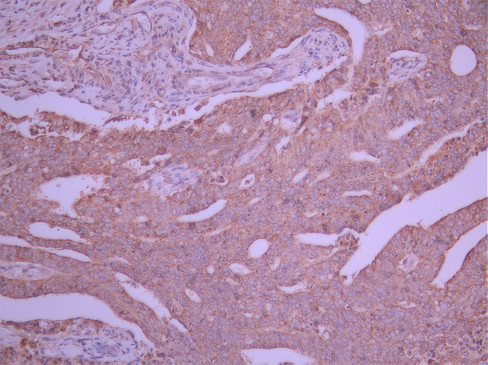
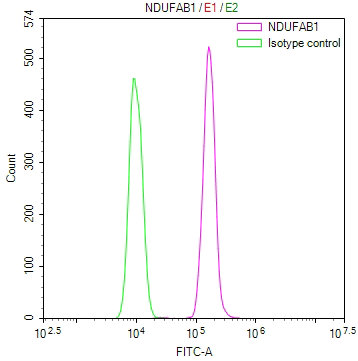
Validation across multiple platforms demonstrates this antibody's versatility in your research toolkit. Immunohistochemistry studies confirm robust performance in paraffin-embedded human tissues, with successful staining demonstrated in both brain and prostate cancer specimens at 1:100 dilution using citrate buffer antigen retrieval. Flow cytometry validation in HeLa cells shows clear positive signal separation from isotype controls, confirming utility for quantitative single-cell analysis of intracellular NDUFAB1 expression.
Whether you're exploring mitochondrial bioenergetics in neurological contexts, investigating metabolic reprogramming in cancer, or characterizing cardiac tissue metabolism, this antibody provides the reliable detection needed to advance your understanding of NDUFAB1 biology in human samples.
There are currently no reviews for this product.





