
Call us
301-363-4651 (Available 9 a.m. to 5 p.m. CST from Monday to Friday)

| Code | CSB-RA549607A0HU |
| Size | US$210 |
| Order now | |
| Image |
|
| Have Questions? | Leave a Message or Start an on-line Chat |
| Application | Recommended Dilution |
|---|---|
| IHC | 1:50-1:200 |
| IF | 1:50-1:200 |
| FC | 1:50-1:200 |
Pannexin-1 (PANX1) serves as a critical membrane channel protein that mediates ATP release and plays essential roles in purinergic signaling, inflammasome activation, and cell death pathways. In neuroscience research, PANX1 has garnered significant attention for its involvement in synaptic plasticity, neuroinflammation, and ischemic injury responses, making it a compelling target for investigators exploring both physiological and pathological brain processes.
This recombinant monoclonal antibody, clone 28G5, offers the reproducibility and consistency that demanding research protocols require. Because recombinant antibodies are produced from defined genetic sequences rather than traditional hybridoma methods, you can expect reliable performance across experiments and between lot numbers—a meaningful advantage when building longitudinal datasets or establishing standardized workflows in your laboratory.
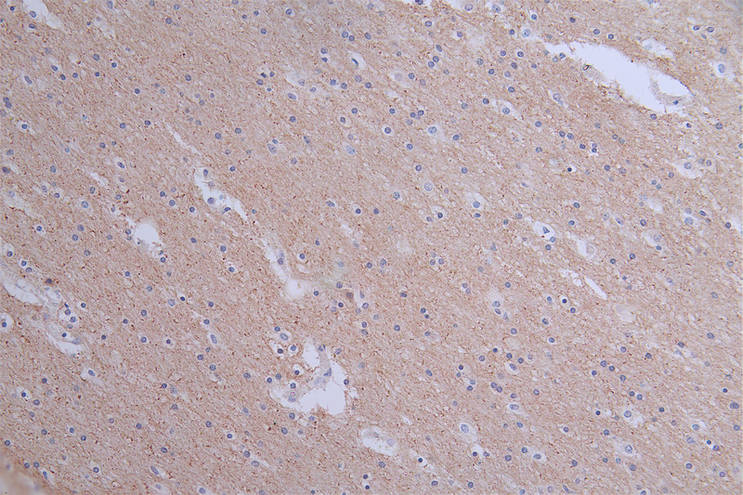
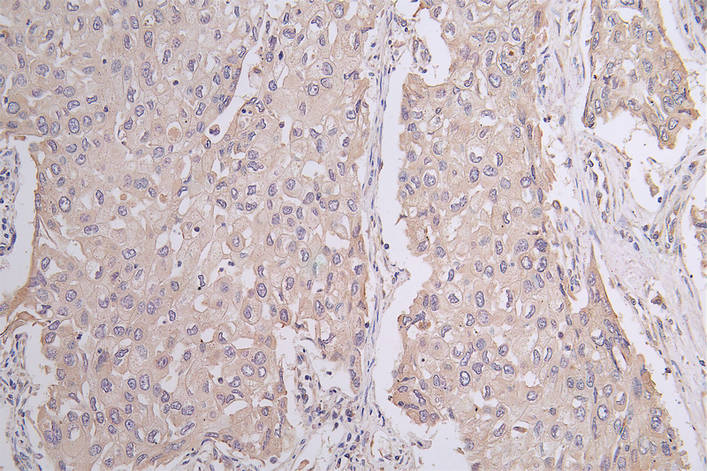
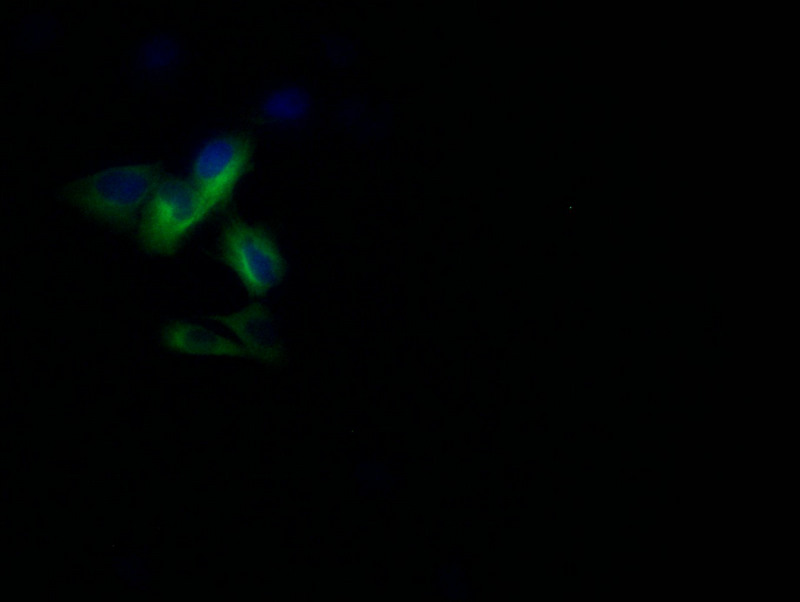
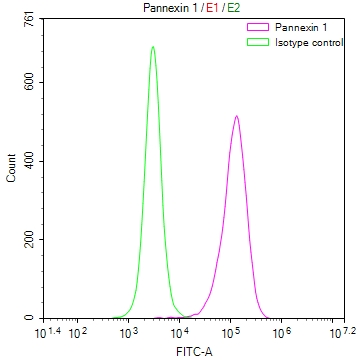
The antibody has been validated across multiple detection platforms, providing flexibility for diverse experimental approaches. Immunohistochemistry studies demonstrate clear PANX1 detection in paraffin-embedded human brain tissue and human lung cancer specimens at dilutions of 1:50, using citrate buffer antigen retrieval. For cellular localization studies, immunofluorescence staining in U251 glioblastoma cells reveals distinct signal patterns when counter-stained with DAPI. Flow cytometry validation using A549 cells confirms the antibody's utility for surface staining applications, with clear separation between specific signal and isotype control populations.
Supplied in a glycerol-containing buffer optimized for long-term stability at -20°C or -80°C, this antibody arrives ready for integration into your existing protocols. Whether you're investigating PANX1's role in neurological disease models, characterizing its expression in tumor microenvironments, or exploring purinergic signaling mechanisms, this reagent provides a dependable foundation for your research.
There are currently no reviews for this product.





