
Call us
301-363-4651 (Available 9 a.m. to 5 p.m. CST from Monday to Friday)

| Code | CSB-RA981900A0HU |
| Size | US$210 |
| Order now | |
| Image |
|
| Have Questions? | Leave a Message or Start an on-line Chat |
| Application | Recommended Dilution |
|---|---|
| WB | 1:500-1:5000 |
| IHC | 1:50-1:200 |
| IF | 1:50-1:200 |
| FC | 1:50-1:200 |
Adenylate kinase 4 plays a distinctive role in cellular energy homeostasis, functioning as a GTP:AMP phosphotransferase localized to the mitochondrial matrix. Unlike other adenylate kinase family members, AK4 is thought to serve as a nucleotide sensor that helps cells adapt to metabolic stress, making it particularly relevant to researchers investigating mitochondrial function, hypoxia responses, and cancer metabolism.
This recombinant monoclonal antibody, generated against a synthetic peptide derived from human AK4, offers the consistency and reproducibility that demanding experimental workflows require. Because the antibody sequence is defined and production occurs in a controlled recombinant system, researchers can expect reliable performance across experiments and between lots—an important consideration for longitudinal studies or multi-site collaborations.
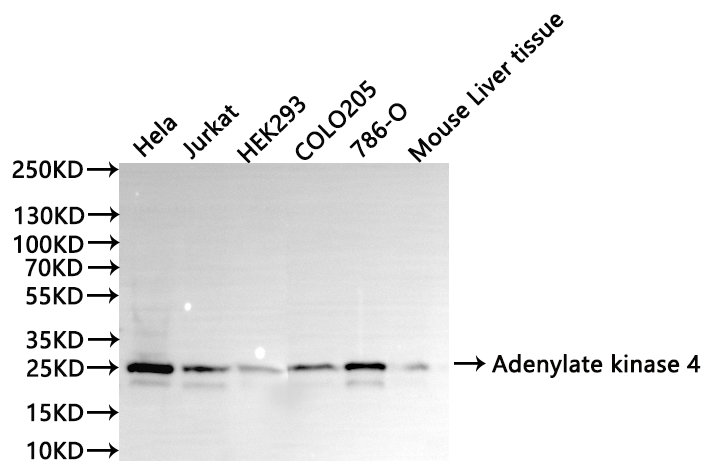
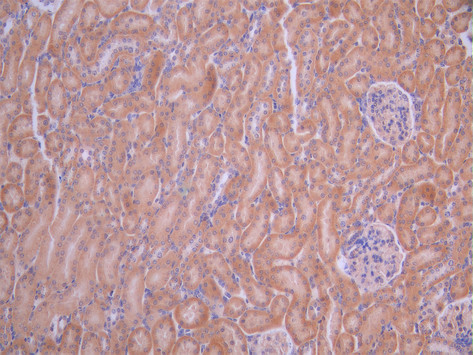
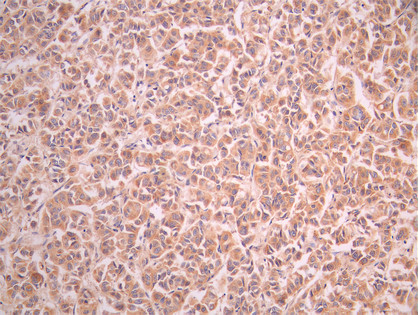
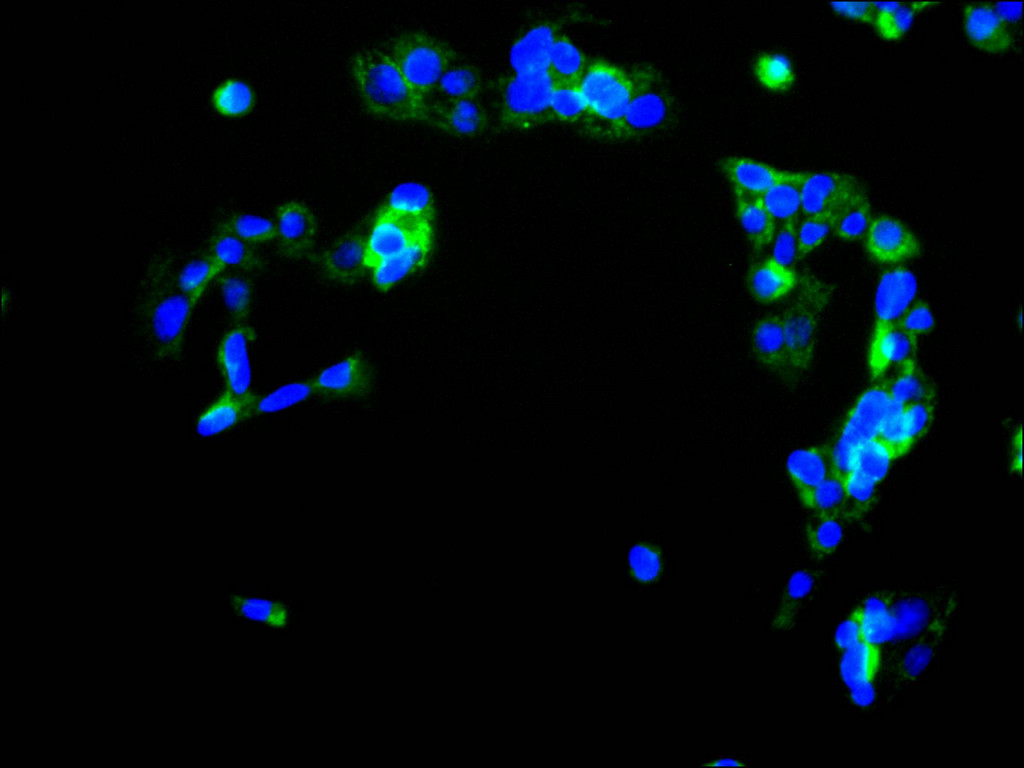
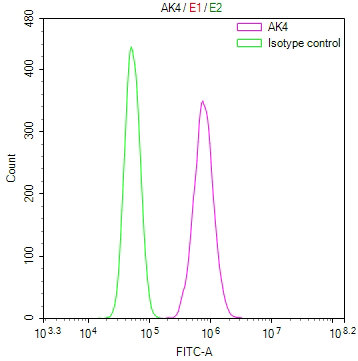
Validation data demonstrates robust performance across multiple applications. Western blot analysis detects AK4 in a range of human cell lines including HeLa, Jurkat, HEK293, COLO205, and 786-O, as well as mouse liver tissue, confirming cross-species reactivity between human and mouse samples. The observed band at approximately 26 kDa aligns closely with the predicted 25 kDa molecular weight, with the slight shift likely attributable to post-translational modifications. Immunohistochemistry staining has been validated in both mouse kidney tissue and human breast cancer sections, while immunofluorescence studies in HepG2 cells and flow cytometry analysis of 786-O cells further demonstrate the antibody's versatility across detection platforms.
Whether investigating mitochondrial bioenergetics, exploring AK4's emerging connections to tumor progression and therapeutic resistance, or characterizing metabolic adaptations in disease models, this antibody provides a dependable tool for multiple experimental approaches.
There are currently no reviews for this product.





