
Call us
301-363-4651 (Available 9 a.m. to 5 p.m. CST from Monday to Friday)

| Code | CSB-RA923470A0HU |
| Size | US$210 |
| Order now | |
| Image |
|
| Have Questions? | Leave a Message or Start an on-line Chat |
| Application | Recommended Dilution |
|---|---|
| WB | 1:500-1:5000 |
| IHC | 1:50-1:200 |
| IF | 1:50-1:200 |
| FC | 1:50-1:200 |
Calsyntenin-1 (CLSTN1) is a type I transmembrane protein belonging to the cadherin superfamily that plays essential roles in neuronal development, synaptic plasticity, and intracellular trafficking. This protein has garnered significant attention in neuroscience research due to its involvement in kinesin-mediated vesicular transport and its connection to Alzheimer's disease pathology, where it undergoes proteolytic processing similar to amyloid precursor protein.
This recombinant monoclonal antibody (clone 11H4) offers researchers the reproducibility and consistency that comes with sequence-defined production. Unlike traditional hybridoma-derived antibodies, recombinant technology ensures that every lot performs identically, eliminating the variability that can compromise longitudinal studies or multi-site collaborations. The rabbit host origin provides high affinity binding while the monoclonal nature guarantees specificity for your target.
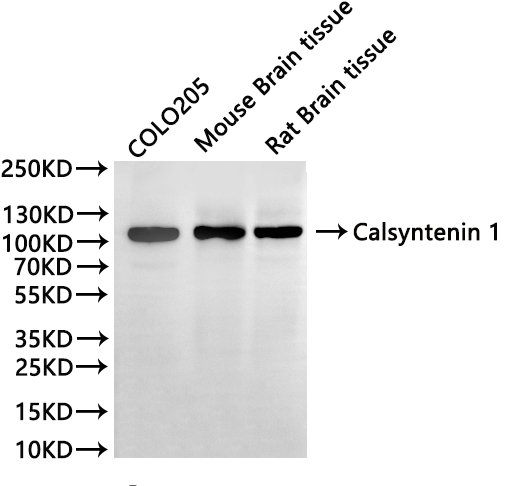
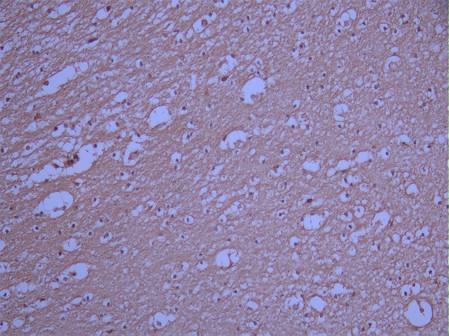
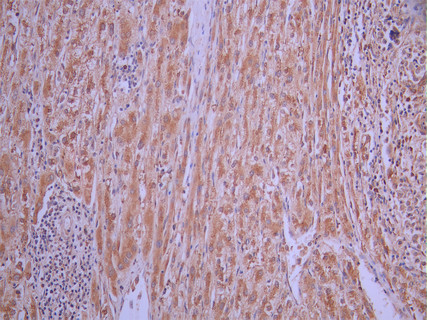
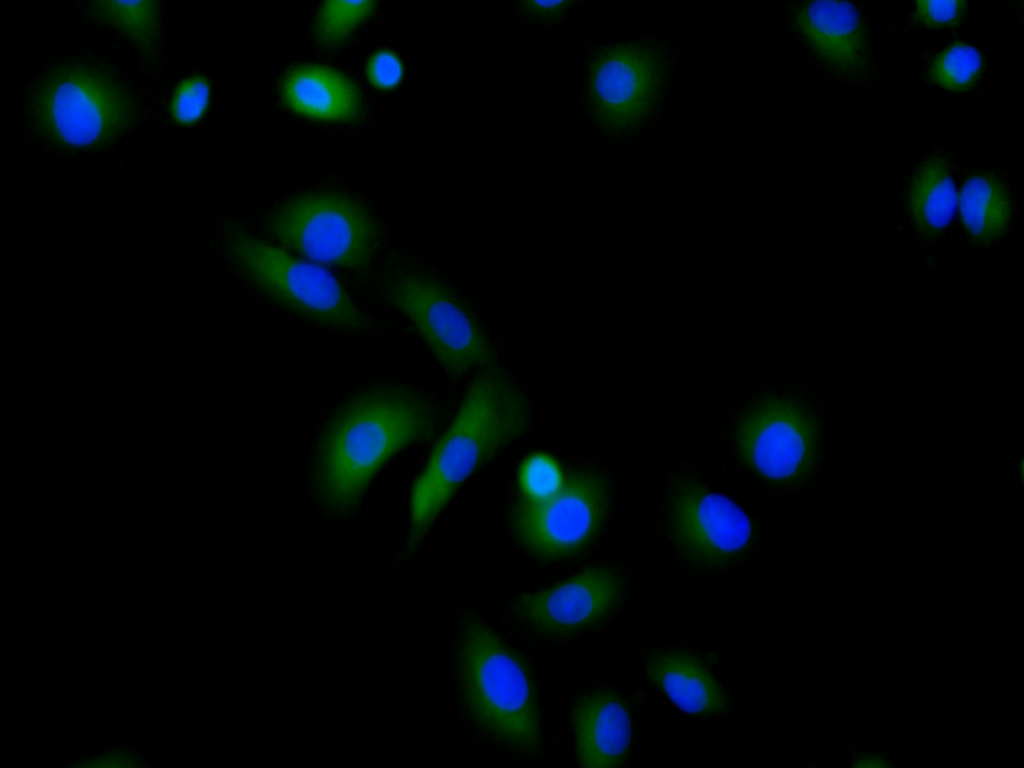
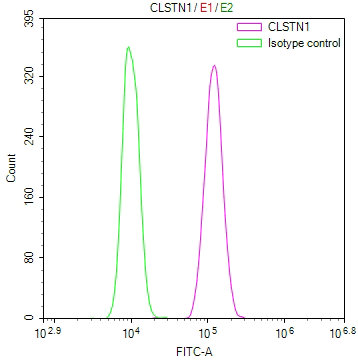
Validation studies demonstrate robust performance across multiple experimental platforms. Western blot analysis detects a band at the predicted molecular weight of 110 kDa in COLO205 whole cell lysate as well as mouse and rat brain tissue lysates, confirming cross-species reactivity that expands your experimental options across common model systems. Immunohistochemistry staining has been validated in paraffin-embedded human brain tissue and human liver cancer sections using citrate buffer antigen retrieval. For cellular studies, immunofluorescence detection has been confirmed in A549 cells, while flow cytometry analysis shows clear separation in HeLa cells compared to isotype controls.
The antibody's versatility across Western blot, immunohistochemistry, immunofluorescence, flow cytometry, and ELISA applications makes it particularly valuable for comprehensive studies examining CLSTN1 expression and localization in neurological disease models and beyond.
There are currently no reviews for this product.





