
Call us
301-363-4651 (Available 9 a.m. to 5 p.m. CST from Monday to Friday)

| Code | CSB-RA234050A0HU |
| Size | US$210 |
| Order now | |
| Image |
|
| Have Questions? | Leave a Message or Start an on-line Chat |
| Application | Recommended Dilution |
|---|---|
| WB | 1:500-1:2000 |
| IHC | 1:50-1:200 |
| IF | 1:50-1:200 |
| FC | 1:50-1:200 |
Cytochrome P450 2D6 represents one of the most clinically significant drug-metabolizing enzymes in the human liver, responsible for the biotransformation of approximately 25% of commonly prescribed medications including antidepressants, antipsychotics, opioids, and cardiovascular drugs. Understanding CYP2D6 expression patterns and activity is essential for pharmacogenomics research, drug development studies, and investigations into individual variability in drug response and toxicity.
This recombinant monoclonal antibody, clone 7B8, offers researchers the reproducibility advantages inherent to sequence-defined antibody production. Because the antibody sequence is fixed and expressed in controlled systems, you can expect consistent performance across different lots, eliminating a common source of experimental variability that can complicate long-term studies or multi-site collaborations.
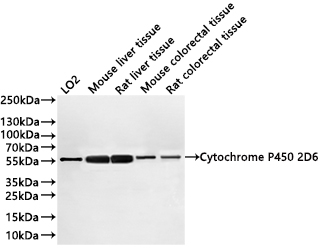
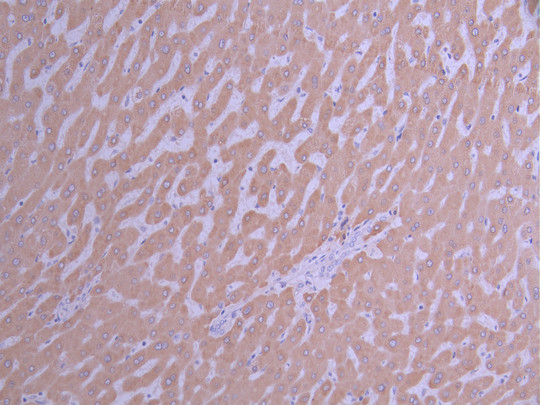
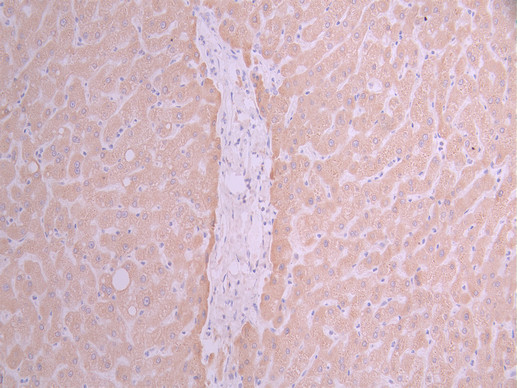
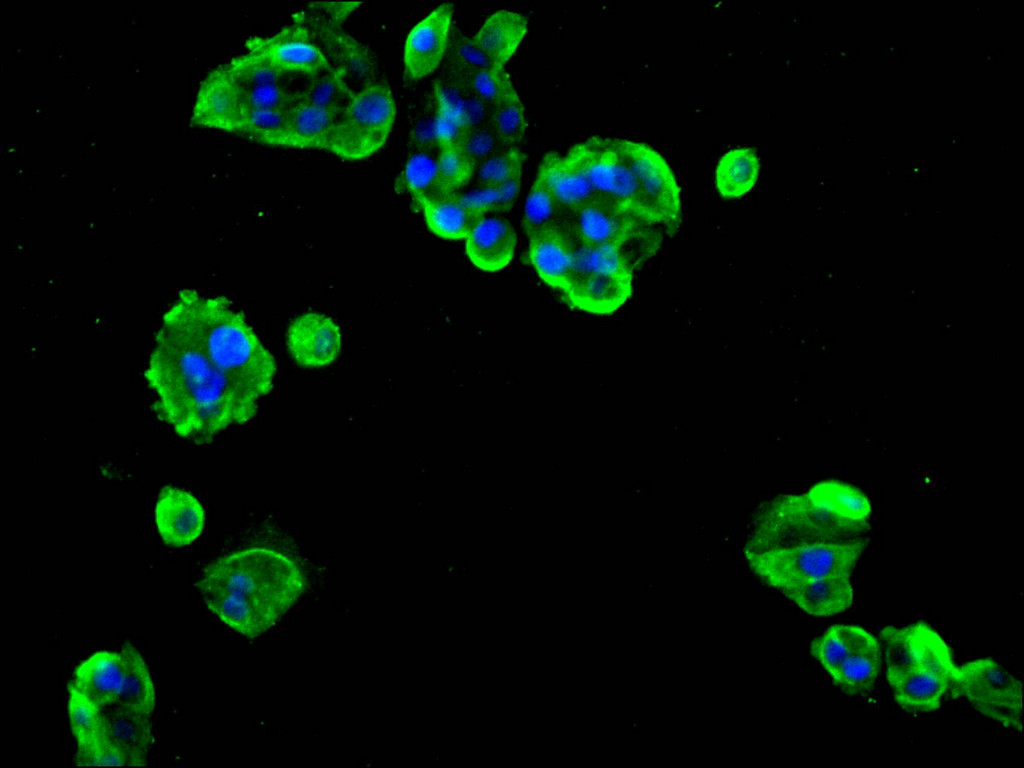
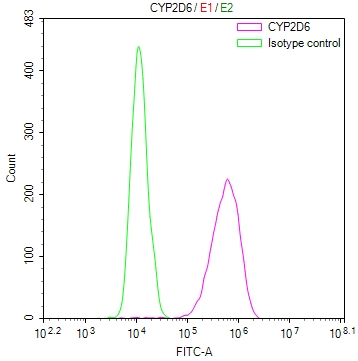
Validation testing demonstrates robust performance across multiple experimental platforms. Western blot analysis detects a band at the predicted 56 kDa molecular weight in human LO2 hepatocyte lysates as well as mouse and rat liver and colorectal tissue lysates, confirming cross-species reactivity that supports comparative metabolism studies and preclinical research models. Immunohistochemistry staining has been validated in both normal human liver tissue and liver cancer specimens, providing options for studying CYP2D6 expression in disease contexts. For cellular studies, immunofluorescence detection in HepG2 hepatocellular carcinoma cells reveals subcellular localization patterns, while flow cytometry analysis of the same cell line enables quantitative expression profiling at the single-cell level.
This antibody serves researchers investigating drug metabolism pathways, hepatotoxicity mechanisms, pharmacogenomic variability, and liver disease progression where altered CYP2D6 expression may influence therapeutic outcomes or disease phenotypes.
There are currently no reviews for this product.





