
Call us
301-363-4651 (Available 9 a.m. to 5 p.m. CST from Monday to Friday)

| Code | CSB-RA095663A0HU |
| Size | US$210 |
| Order now | |
| Image |
|
| Have Questions? | Leave a Message or Start an on-line Chat |
| Application | Recommended Dilution |
|---|---|
| WB | 1:500-1:5000 |
| IHC | 1:50-1:200 |
| IF | 1:50-1:200 |
FAM50A, also known as XAP-5, is an evolutionarily conserved nuclear protein that plays important roles in cell cycle regulation and pre-mRNA splicing. This protein has garnered significant research attention due to its association with Armfield XLID syndrome, a developmental disorder characterized by intellectual disability and distinctive facial features. Understanding FAM50A function provides valuable insights into fundamental cellular processes and disease mechanisms.
This recombinant monoclonal antibody, generated from clone 4C11, offers the consistency and reliability that demanding research applications require. Because the antibody sequence is defined and produced recombinantly in rabbit host cells, researchers benefit from lot-to-lot reproducibility that eliminates the variability often encountered with traditional hybridoma-derived antibodies. This consistency is particularly valuable for longitudinal studies or when comparing results across experiments.
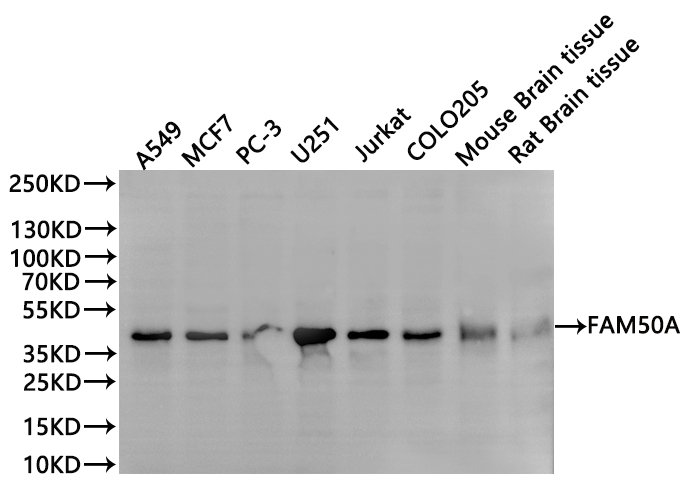
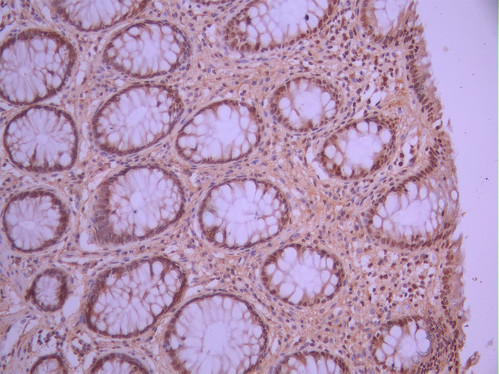
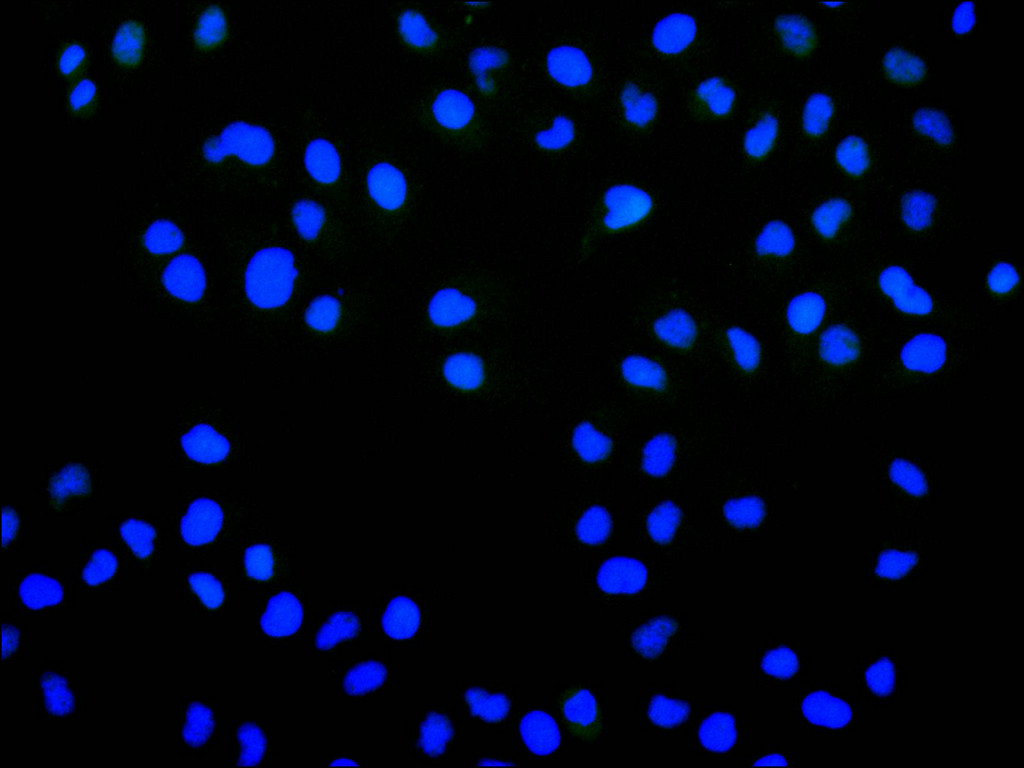
Extensive validation demonstrates this antibody's versatility across multiple experimental platforms. Western blot analysis confirms specific detection of FAM50A at the expected 40 kDa molecular weight across a diverse panel of human cell lines including A549, MCF-7, PC-3, U-251MG, Jurkat, and COLO-205. Cross-species reactivity extends to mouse and rat, as evidenced by positive detection in brain tissue lysates from both species, making this antibody suitable for comparative studies and work with rodent models. Immunohistochemistry validation in paraffin-embedded human colorectal cancer tissue demonstrates utility for examining FAM50A expression in clinical specimens, while immunofluorescence staining in HeLa cells reveals nuclear localization patterns consistent with the protein's known function.
Whether investigating spliceosome biology, exploring cell cycle mechanisms, or studying developmental disorders linked to FAM50A mutations, this antibody provides researchers with a dependable tool for advancing their cell biology investigations.
There are currently no reviews for this product.





