
Call us
301-363-4651 (Available 9 a.m. to 5 p.m. CST from Monday to Friday)

| Code | CSB-RA577140A0HU |
| Size | US$210 |
| Order now | |
| Image |
|
| Have Questions? | Leave a Message or Start an on-line Chat |
| Application | Recommended Dilution |
|---|---|
| WB | 1:500-1:5000 |
| IHC | 1:50-1:200 |
| IF | 1:50-1:200 |
| FC | 1:50-1:200 |
Ferredoxin-1 (FDX1) is a mitochondrial iron-sulfur protein essential for electron transfer in steroid hormone biosynthesis and vitamin D metabolism. As a critical component of the cytochrome P450 system in steroidogenic tissues, FDX1 facilitates the conversion of cholesterol to pregnenolone and participates in cortisol synthesis. Recent research has also identified FDX1 as a key mediator of cuproptosis, a copper-dependent form of regulated cell death, positioning this protein at the intersection of metabolic regulation and emerging cell death pathways.
This recombinant monoclonal antibody, generated against a synthetic peptide derived from human FDX1, offers the reproducibility and consistency that demanding experimental workflows require. As a sequence-defined reagent produced from a single rabbit clone (8D3), it eliminates the lot-to-lot variability that can compromise longitudinal studies and multi-site collaborations.
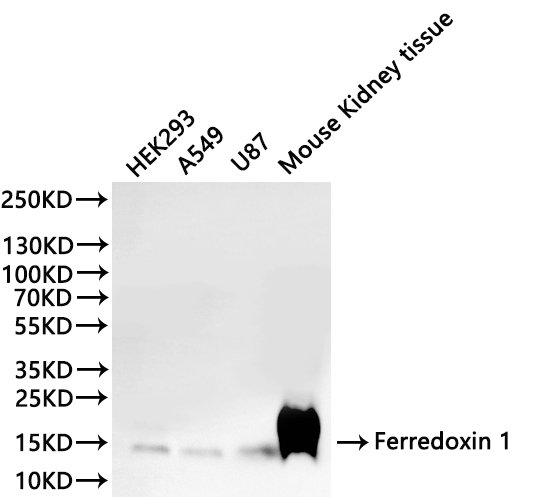
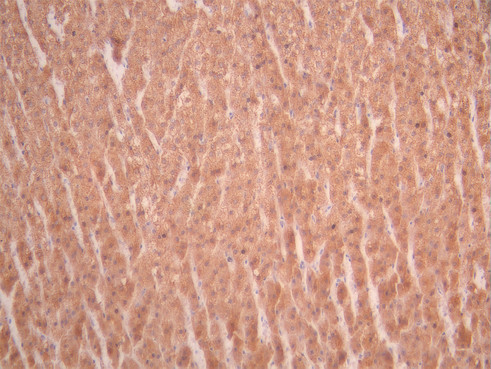
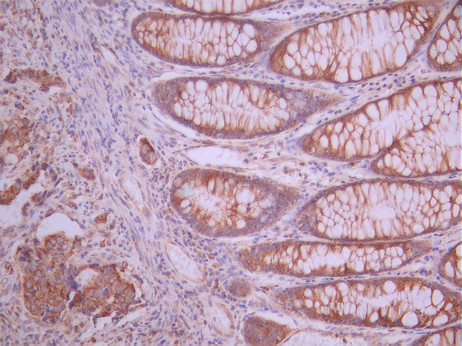
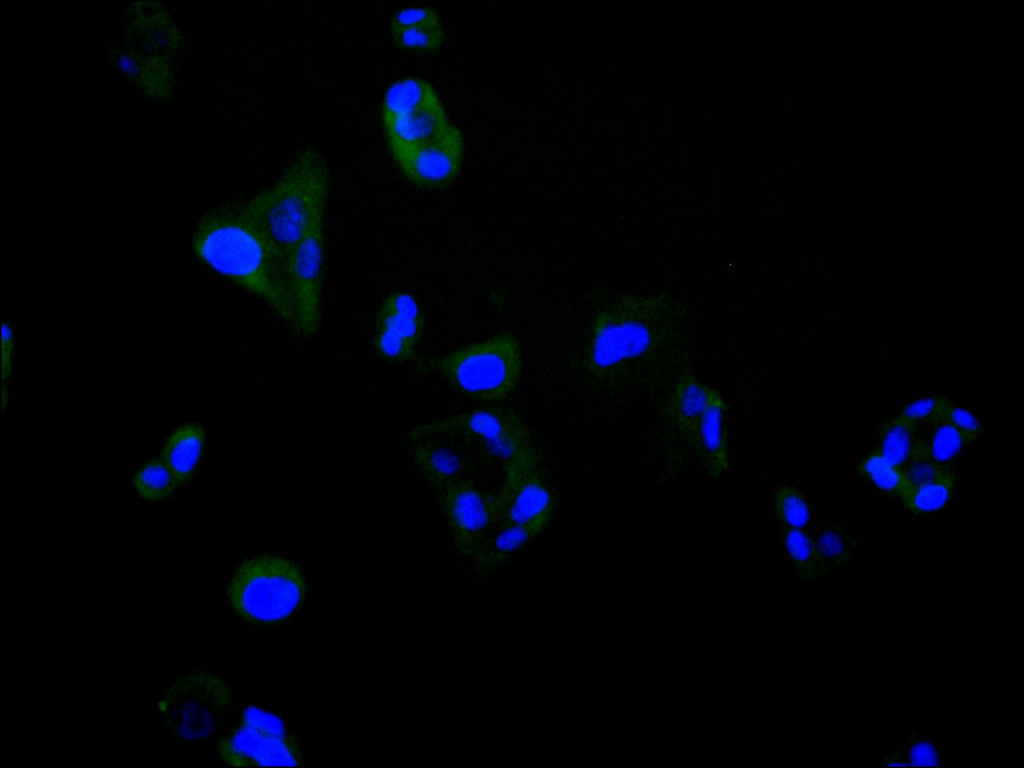
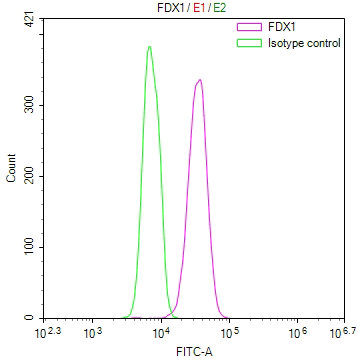
Validation across multiple platforms demonstrates versatile performance for diverse experimental approaches. Western blot analysis detects FDX1 in human cell lines including HEK293, A549, and U-87MG, as well as mouse kidney tissue, confirming cross-species reactivity. The observed band at 13 kDa differs from the predicted 19 kDa molecular weight, likely reflecting post-translational processing of the mitochondrial targeting sequence upon import. Immunohistochemistry staining in human adrenal gland tissue confirms detection in a physiologically relevant steroidogenic context, while colorectal cancer tissue sections extend utility to oncology research. Immunofluorescence in HepG2 cells and flow cytometry analysis in HeLa cells further demonstrate compatibility with single-cell applications.
This antibody serves researchers investigating steroidogenesis, mitochondrial metabolism, copper-induced cell death mechanisms, and the emerging role of FDX1 in cancer biology.
There are currently no reviews for this product.





