
Call us
301-363-4651 (Available 9 a.m. to 5 p.m. CST from Monday to Friday)

| Code | CSB-RA289787A0HU |
| Size | US$210 |
| Order now | |
| Image |
|
| Have Questions? | Leave a Message or Start an on-line Chat |
| Application | Recommended Dilution |
|---|---|
| WB | 1:500-1:2000 |
| IF | 1:50-1:200 |
| FC | 1:50-1:200 |
IFITM3 (Interferon-induced transmembrane protein 3) serves as a critical effector of the innate immune response, functioning as a potent restriction factor against a broad spectrum of enveloped viruses including influenza A, dengue, and SARS-CoV-2. This small transmembrane protein localizes to endosomal and lysosomal membranes where it blocks viral entry by preventing membrane fusion, making it an essential target for researchers investigating host-pathogen interactions, antiviral immunity, and interferon signaling pathways.
This recombinant monoclonal antibody, generated against a synthetic peptide derived from human IFITM3, offers the reproducibility and consistency that demanding experimental workflows require. As a sequence-defined recombinant clone, it eliminates the lot-to-lot variability inherent to traditional hybridoma-derived antibodies, ensuring your results remain comparable across extended studies and collaborative projects.
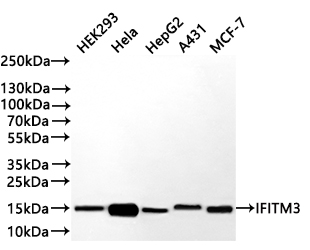
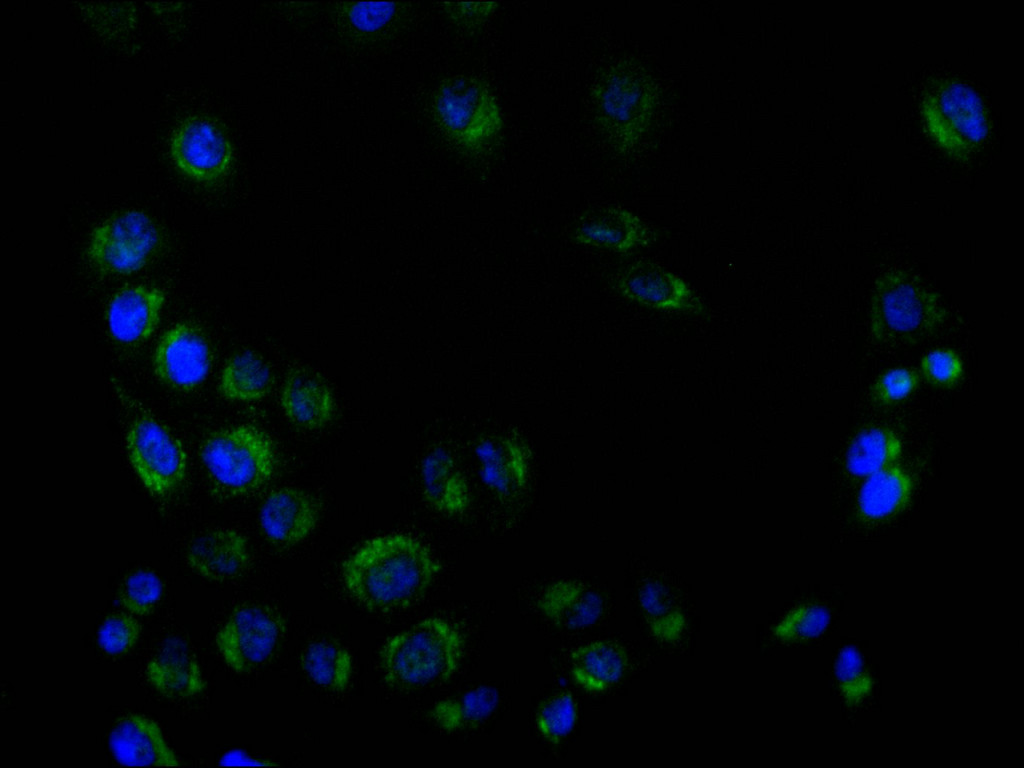
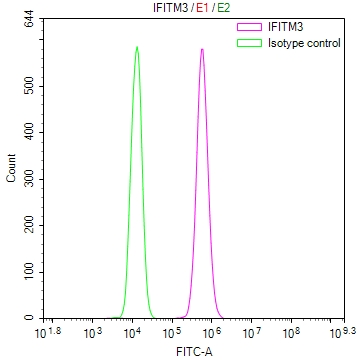
Validation data demonstrates reliable performance across multiple applications. Western blot analysis detects a clean band at the predicted 15 kDa molecular weight across diverse human cell lines including HEK293, HeLa, HepG2, A431, and MCF-7, confirming robust detection in various cellular contexts at dilutions ranging from 1:500 to 1:2000. Immunofluorescence staining in HeLa cells reveals distinct subcellular localization patterns consistent with IFITM3's known membrane distribution. Flow cytometry validation in 786-O renal carcinoma cells demonstrates clear positive signal separation from isotype controls, supporting quantitative analysis of IFITM3 expression at the single-cell level.
Whether you are characterizing interferon-stimulated gene responses, investigating viral restriction mechanisms, or exploring IFITM3's emerging roles in cancer biology and cellular differentiation, this antibody provides the specificity and application flexibility needed to advance your research.
There are currently no reviews for this product.





