

Call us
301-363-4651 (Available 9 a.m. to 5 p.m. CST from Monday to Friday)

| Code | CSB-RA733162MA1HU |
| Size | $49.9 |
| Order now | |
| Promotion |

|
| Image |
|
| Have Questions? | Leave a Message or Start an on-line Chat |
| Application | Recommended Dilution |
|---|---|
| IHC | 1:50-1:200 |
| IF | 1:50-1:200 |
Interleukin-23 receptor plays a central role in inflammatory and autoimmune responses, serving as the signaling partner for IL-23, a cytokine that drives the differentiation and maintenance of Th17 cells. This pathway has emerged as a critical node in conditions ranging from inflammatory bowel disease and psoriasis to rheumatoid arthritis, making IL23R an important target for researchers investigating immune regulation and therapeutic intervention strategies.
This recombinant monoclonal antibody, clone 21G10, offers the reproducibility and consistency that demanding immunological studies require. Generated against recombinant human IL23R protein and produced using recombinant technology, it provides sequence-defined specificity with minimal lot-to-lot variation, ensuring your experimental results remain comparable across extended research timelines. The human IgG1 isotype format and affinity chromatography purification deliver a reagent ready for sensitive detection applications.
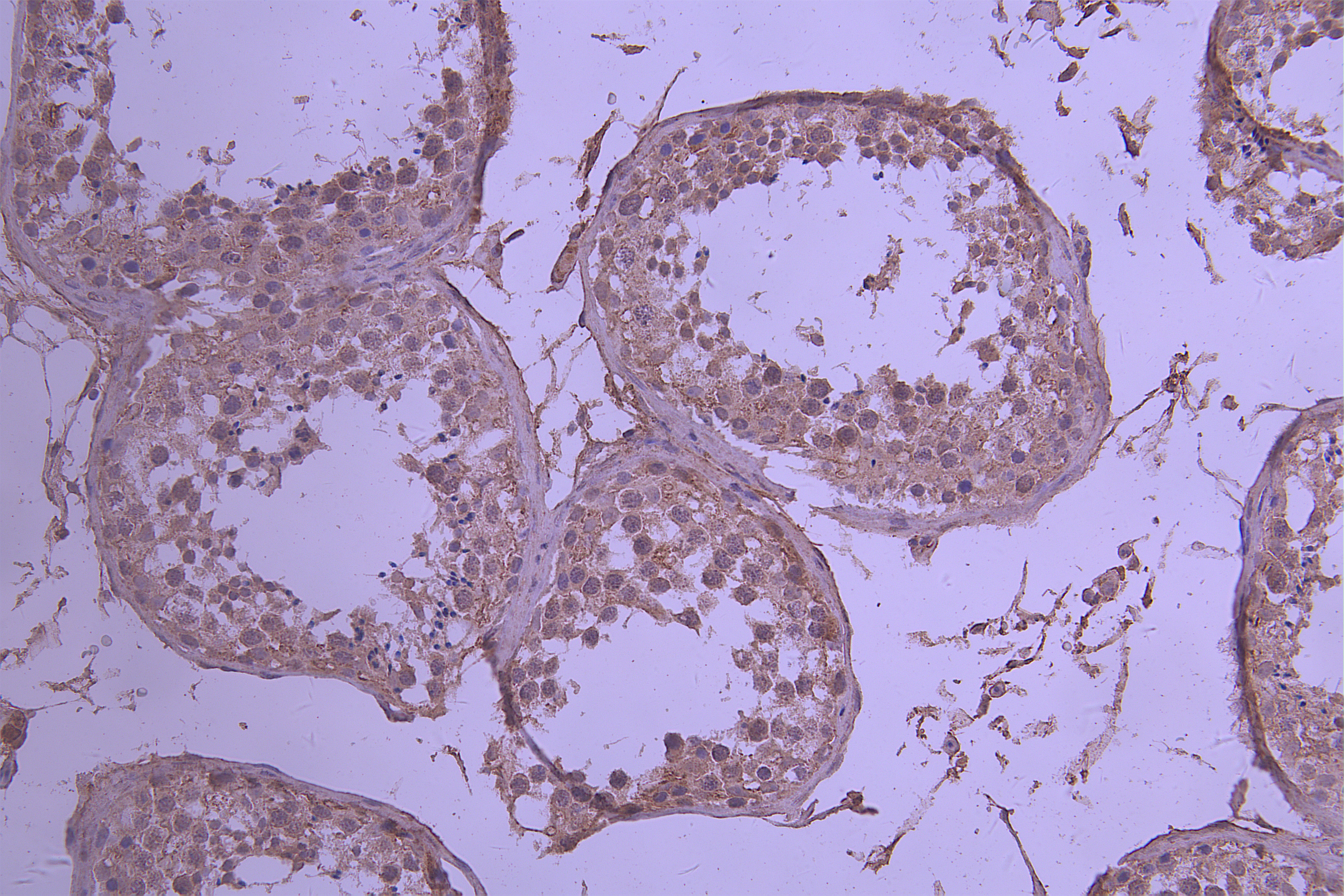
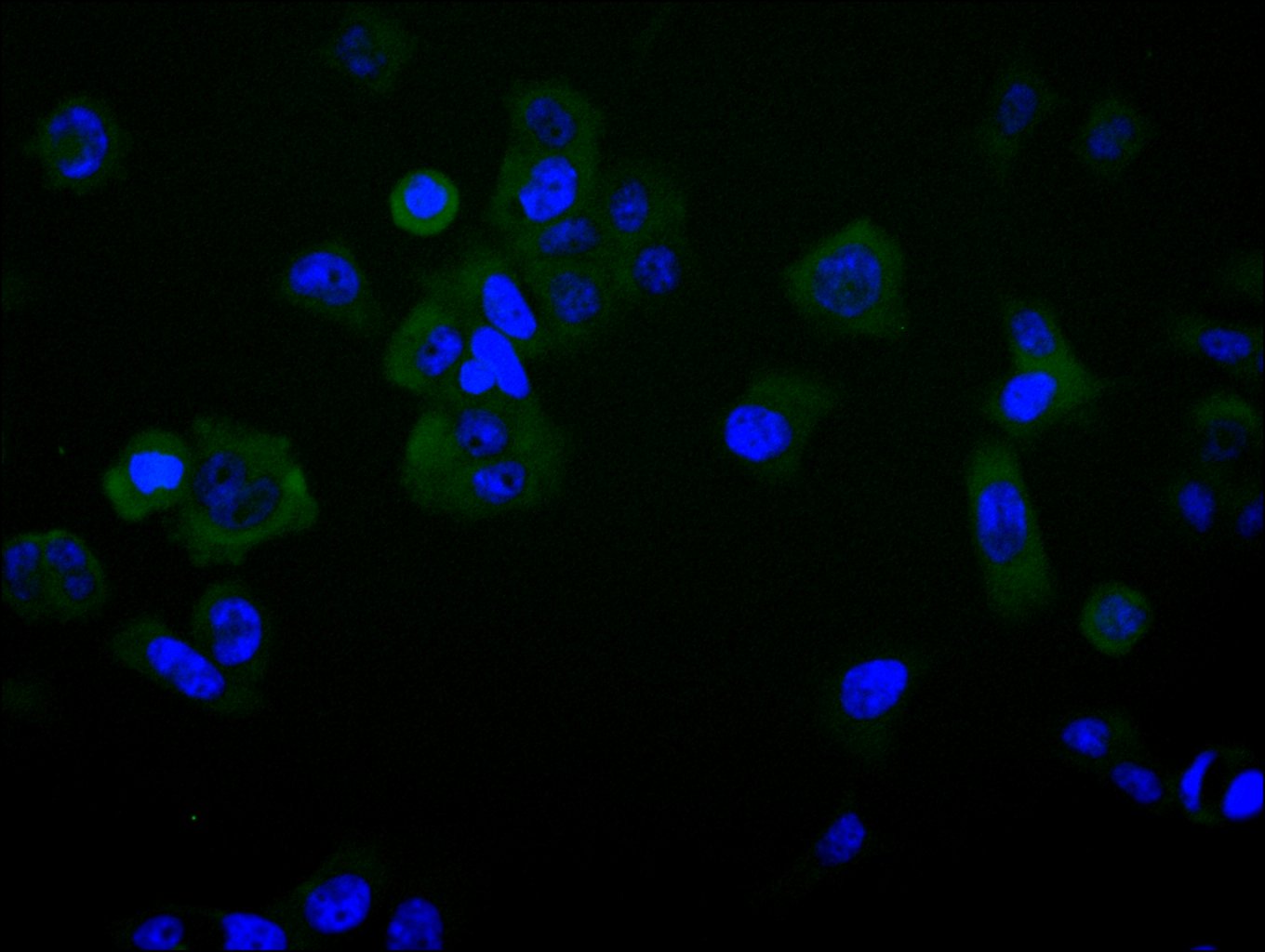
Validation studies demonstrate reliable performance across multiple experimental platforms. Immunohistochemistry on paraffin-embedded human tissues reveals clear IL23R detection in both kidney and testis sections using citrate buffer antigen retrieval at dilutions of 1:50 to 1:200. For cellular studies, immunofluorescence staining of MCF-7 cells confirms membrane and cytoplasmic localization patterns consistent with receptor biology. These validated applications provide flexibility whether you are examining tissue architecture or conducting cell-based investigations.
The unconjugated format allows pairing with your preferred detection systems, while the glycerol-based formulation supports long-term storage stability at -20°C or -80°C. For researchers exploring IL-23/IL-17 axis biology, autoimmune disease mechanisms, or therapeutic target validation, this antibody delivers the technical reliability needed to advance your understanding of this clinically significant signaling pathway.
There are currently no reviews for this product.





