
Call us
301-363-4651 (Available 9 a.m. to 5 p.m. CST from Monday to Friday)

| Code | CSB-RA130686A0HU |
| Size | US$210 |
| Order now | |
| Image |
|
| Have Questions? | Leave a Message or Start an on-line Chat |
| Application | Recommended Dilution |
|---|---|
| WB | 1:500-1:2000 |
| IHC | 1:50-1:200 |
| IF | 1:50-1:200 |
| FC | 1:50-1:200 |
KHSRP, also known as KH-type splicing regulatory protein or Far upstream element-binding protein 2, plays a critical role in post-transcriptional gene regulation. This multifunctional RNA-binding protein participates in mRNA decay, microRNA biogenesis, and alternative splicing, making it a key player in cellular processes ranging from immune responses to cancer progression. Researchers investigating RNA metabolism, inflammatory signaling, or tumor biology will find KHSRP an essential target for understanding these interconnected pathways.
This recombinant monoclonal antibody, clone 12H11, offers the consistency and reliability that demanding experimental workflows require. Produced using recombinant technology with a defined sequence, it eliminates the lot-to-lot variability that can compromise longitudinal studies or multi-site collaborations. The rabbit host and monoclonal nature ensure high specificity for human KHSRP, providing confidence in your results.
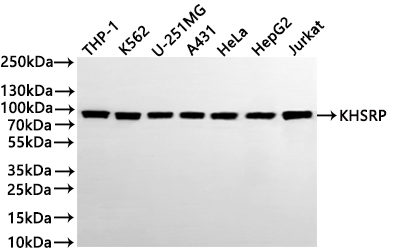
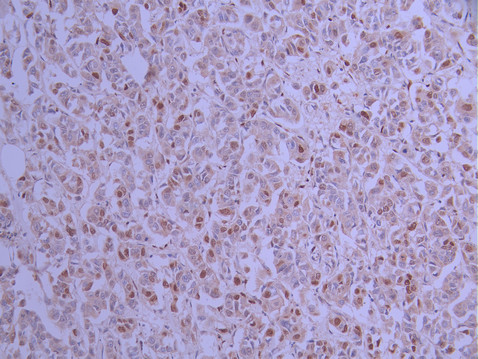
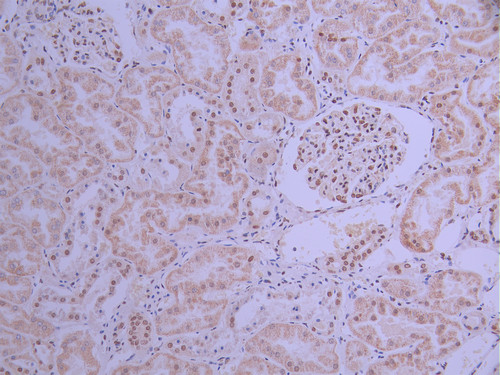
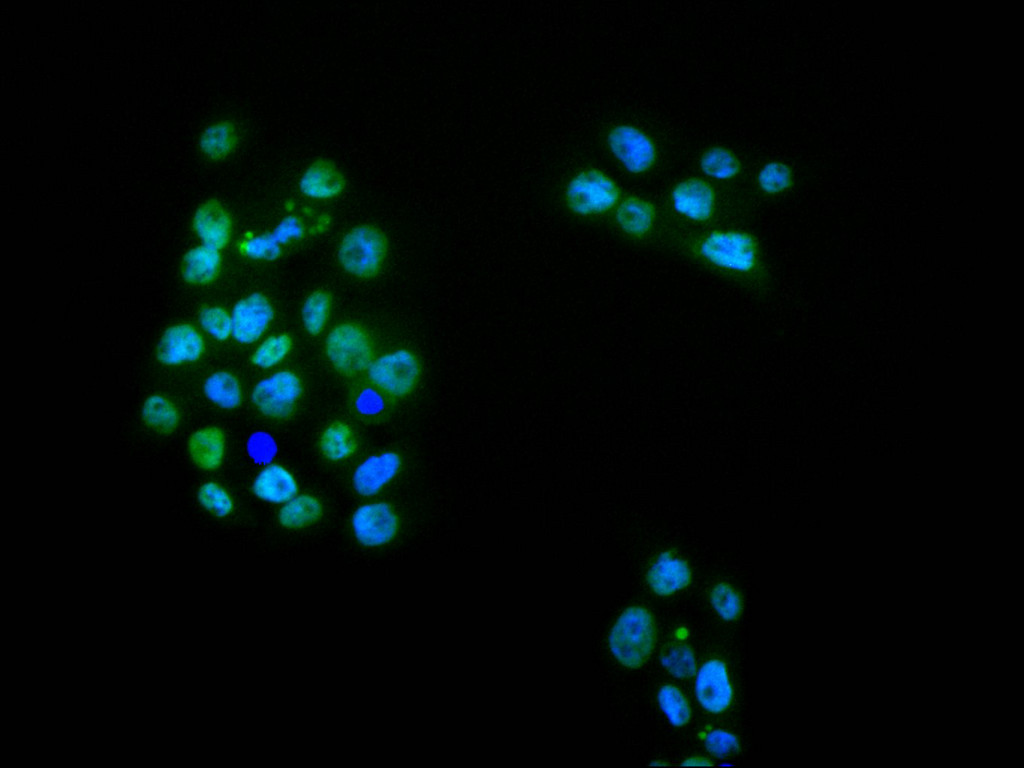
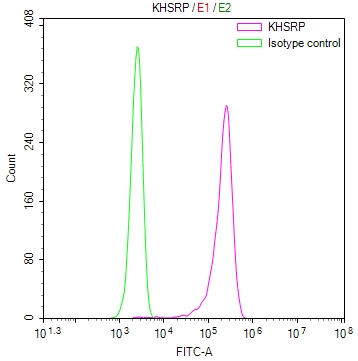
Validation across multiple platforms demonstrates this antibody's versatility in your research toolkit. Western blot analysis successfully detects KHSRP across a diverse panel of human cell lines including THP-1, K562, U-251MG, A431, HeLa, HepG2, and Jurkat cells, with the observed band at 62 kDa running slightly below the predicted 73 kDa molecular weight—a difference likely attributable to alternative splicing or protein processing. Immunohistochemistry staining has been validated in human breast cancer and kidney tissue sections, while immunofluorescence confirms nuclear localization in A431 cells. Flow cytometry analysis in Jurkat cells demonstrates clear positive signal separation from isotype controls.
Whether you are exploring KHSRP's role in mRNA stability, investigating its function in cancer biology, or studying immune cell regulation, this antibody provides a reliable foundation for your research across multiple experimental approaches.
There are currently no reviews for this product.





