
Call us
301-363-4651 (Available 9 a.m. to 5 p.m. CST from Monday to Friday)

| Code | CSB-RA595981A0HU |
| Size | US$210 |
| Order now | |
| Image |
|
| Have Questions? | Leave a Message or Start an on-line Chat |
| Application | Recommended Dilution |
|---|---|
| WB | 1:500-1:5000 |
| IHC | 1:50-1:200 |
| IF | 1:50-1:200 |
| FC | 1:50-1:200 |
RPL13, also known as 60S ribosomal protein L13, serves as an essential component of the large ribosomal subunit and plays a fundamental role in protein synthesis across all cell types. Beyond its canonical function in translation, RPL13 has garnered research interest due to its identification as a breast basic conserved protein, suggesting potential involvement in tissue-specific regulatory mechanisms that extend beyond general housekeeping functions.
This recombinant monoclonal antibody, clone 7C2, offers researchers the reproducibility advantages inherent to recombinant technology. Because the antibody sequence is defined and production occurs through controlled expression systems, you can expect consistent performance across experiments and between lots, which is particularly valuable for longitudinal studies or when establishing standardized protocols in your laboratory.
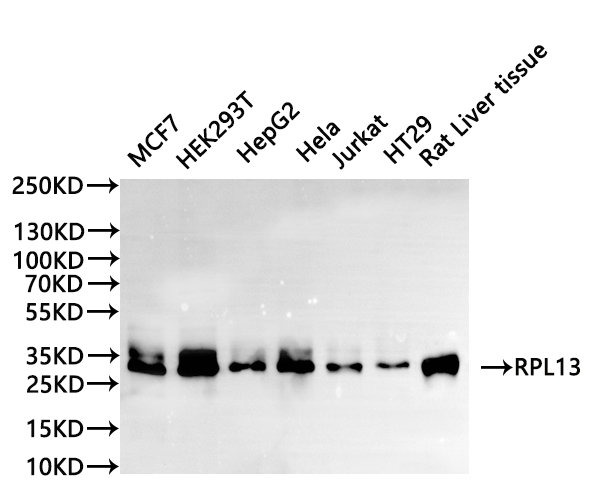
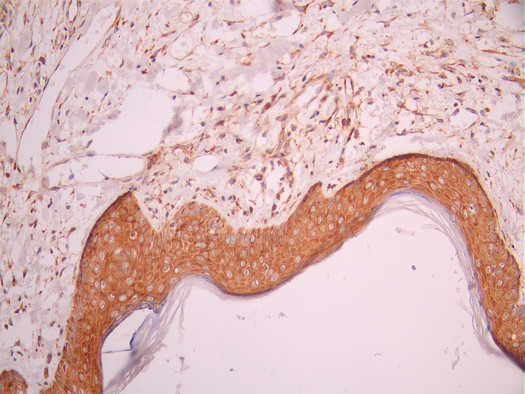
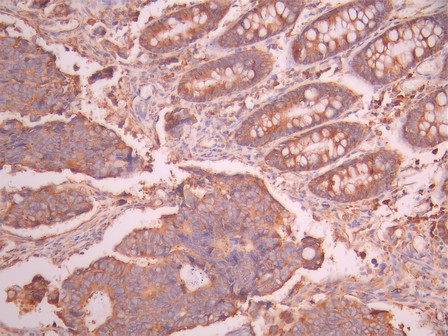
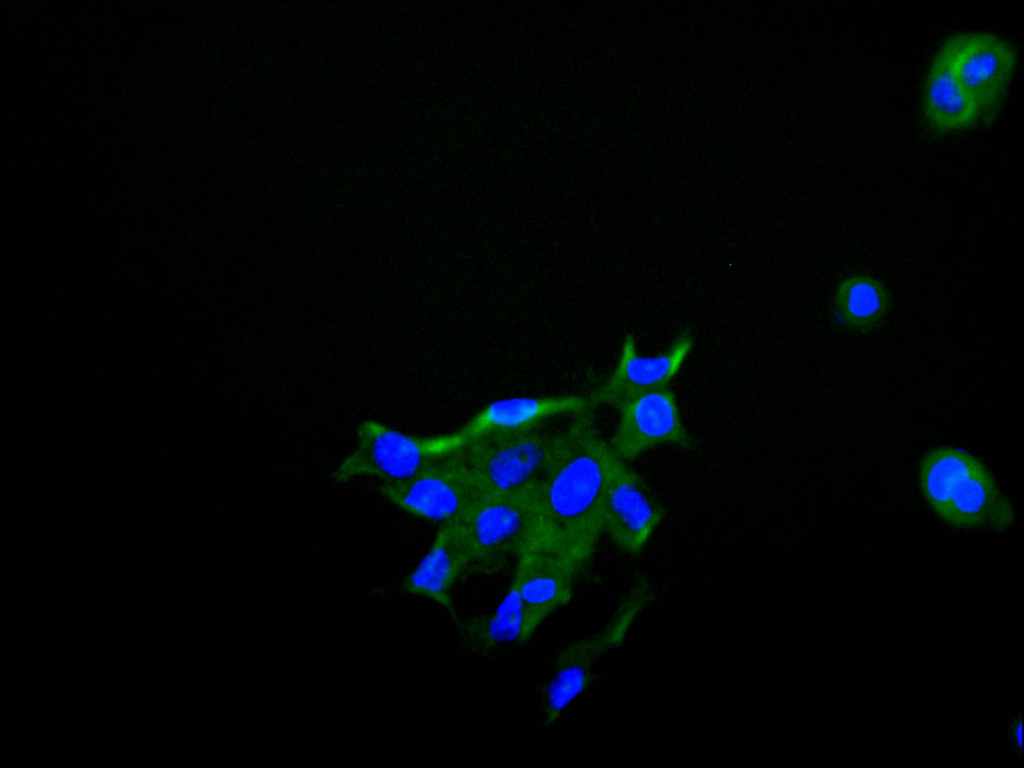
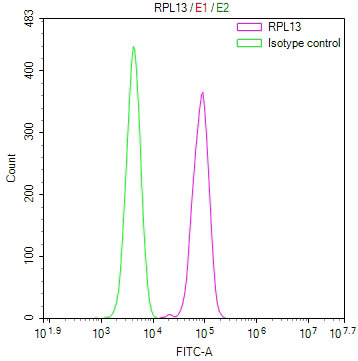
Validation data demonstrates robust performance across multiple experimental platforms. In western blot applications, the antibody detects RPL13 in a diverse panel of human cell lines including MCF-7, HEK293T, HepG2, HeLa, Jurkat, and HT-29, as well as rat liver tissue, confirming cross-species reactivity. The observed band at 28 kDa runs slightly higher than the predicted 24 kDa molecular weight, a shift commonly attributable to post-translational modifications such as glycosylation or phosphorylation events. Immunohistochemistry validation in human skin and colorectal cancer tissue sections shows clear staining patterns, while immunofluorescence studies in MCF-7 cells and flow cytometry analysis of Jurkat cells further demonstrate the antibody's versatility for cellular localization and quantitative studies.
This antibody supports investigations into ribosome biogenesis, translational regulation, and the emerging extraribosomal functions of ribosomal proteins in cancer biology and cellular stress responses.
There are currently no reviews for this product.





