
Call us
301-363-4651 (Available 9 a.m. to 5 p.m. CST from Monday to Friday)

| Code | CSB-RA791753A0HU |
| Size | US$210 |
| Order now | |
| Image |
|
| Have Questions? | Leave a Message or Start an on-line Chat |
| Application | Recommended Dilution |
|---|---|
| WB | 1:500-1:5000 |
| IHC | 1:50-1:200 |
| IF | 1:50-1:200 |
| FC | 1:50-1:200 |
TRAPPC2, also known as sedlin, serves as an essential component of the TRAPP (transport protein particle) complex, which plays a fundamental role in vesicular trafficking from the endoplasmic reticulum to the Golgi apparatus. Mutations in the TRAPPC2 gene are associated with spondyloepiphyseal dysplasia tarda, an X-linked skeletal disorder, making this protein a significant target for researchers investigating intracellular transport mechanisms, skeletal development, and related pathologies.
This recombinant monoclonal antibody, clone 13F9, offers the consistency and reproducibility that demanding experimental workflows require. Because the antibody sequence is defined and production occurs in a controlled recombinant system, researchers can expect reliable lot-to-lot performance across long-term studies and collaborative projects. The rabbit host and monoclonal nature combine high specificity with robust signal generation.
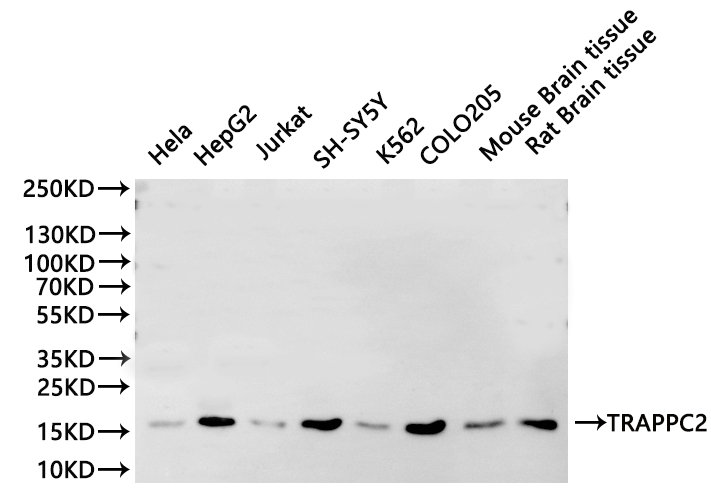
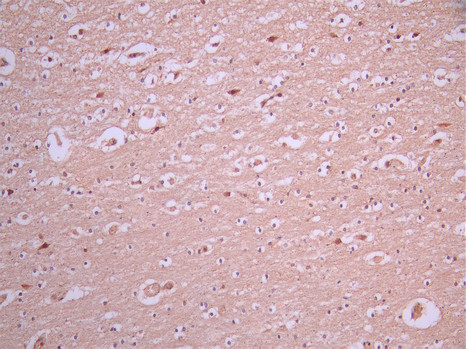
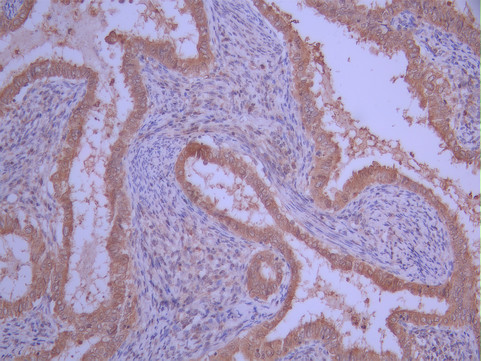
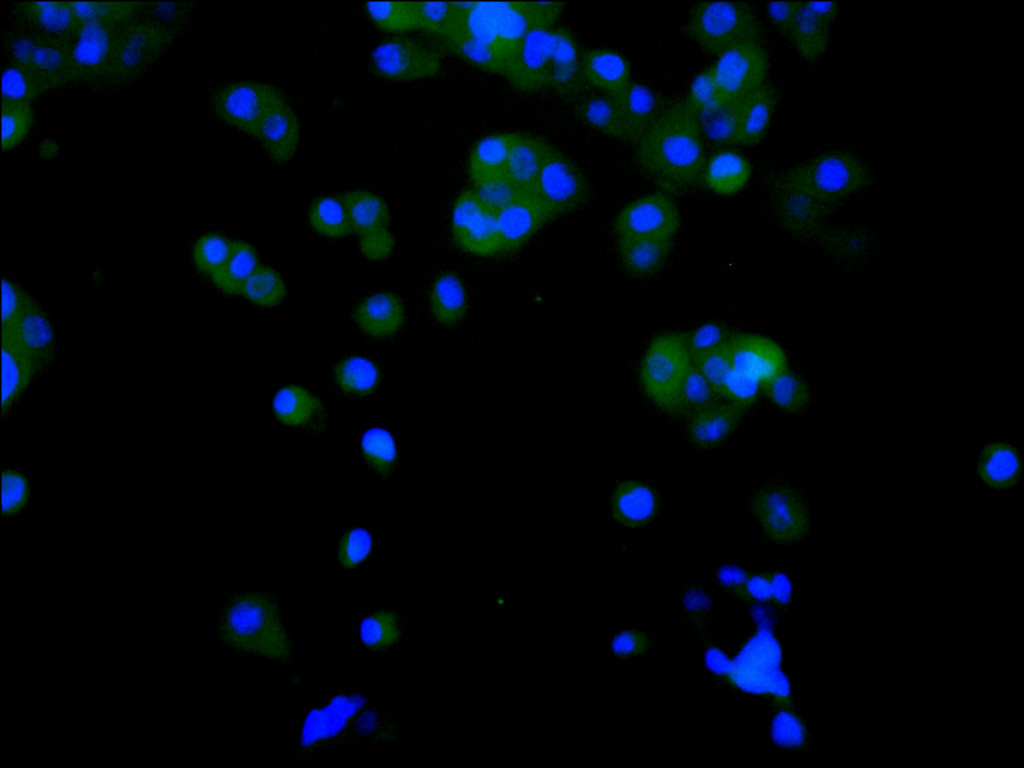
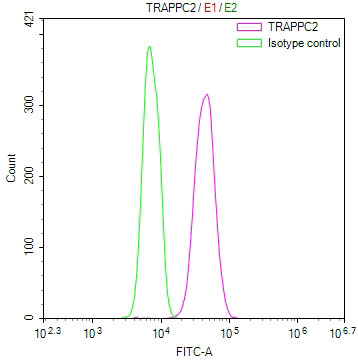
Validation data demonstrate broad utility across multiple experimental platforms. In western blot applications, the antibody detects TRAPPC2 in diverse human cell lines including HeLa, HEK293, Jurkat, SH-SY5Y, K562, and COLO-205, as well as mouse and rat brain tissue lysates, confirming cross-species reactivity. The observed band at 14 kDa runs slightly below the predicted 16 kDa molecular weight, a common occurrence likely attributable to post-translational processing or anomalous gel migration of small proteins. Immunohistochemistry validation includes staining in human brain tissue and endometrial cancer sections, while immunofluorescence studies in HepG2 cells and flow cytometry analysis in HeLa cells further demonstrate the antibody's versatility.
For researchers exploring signal transduction pathways, membrane trafficking dynamics, or disease mechanisms linked to TRAPPC2 dysfunction, this antibody provides a dependable tool across multiple detection methods and model systems.
There are currently no reviews for this product.





