
Call us
301-363-4651 (Available 9 a.m. to 5 p.m. CST from Monday to Friday)

| Code | CSB-RA445470A0HU |
| Size | US$210 |
| Order now | |
| Image |
|
| Have Questions? | Leave a Message or Start an on-line Chat |
| Application | Recommended Dilution |
|---|---|
| IHC | 1:50-1:200 |
| IF | 1:50-1:200 |
| FC | 1:50-1:200 |
VPS28 serves as a core component of the ESCRT-I complex, playing an essential role in the endosomal sorting pathway that directs ubiquitinated membrane proteins toward lysosomal degradation. This machinery is fundamental to numerous cellular processes, including receptor downregulation, viral budding, and cytokinesis, making VPS28 a valuable target for researchers investigating membrane trafficking, autophagy, and viral pathogenesis.
This recombinant monoclonal antibody, generated from clone 12E3, offers the reproducibility and consistency that demanding experimental workflows require. Because the antibody sequence is defined and produced recombinantly in rabbit host cells, researchers benefit from lot-to-lot uniformity that eliminates the variability often encountered with traditional hybridoma-derived reagents. The affinity-purified IgG format ensures minimal background and reliable performance across multiple experimental platforms.
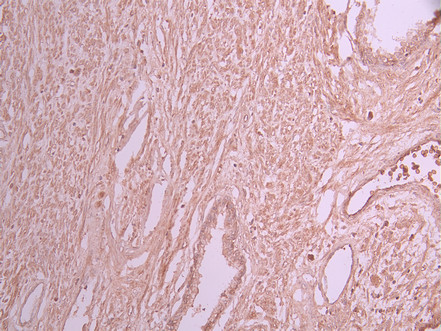
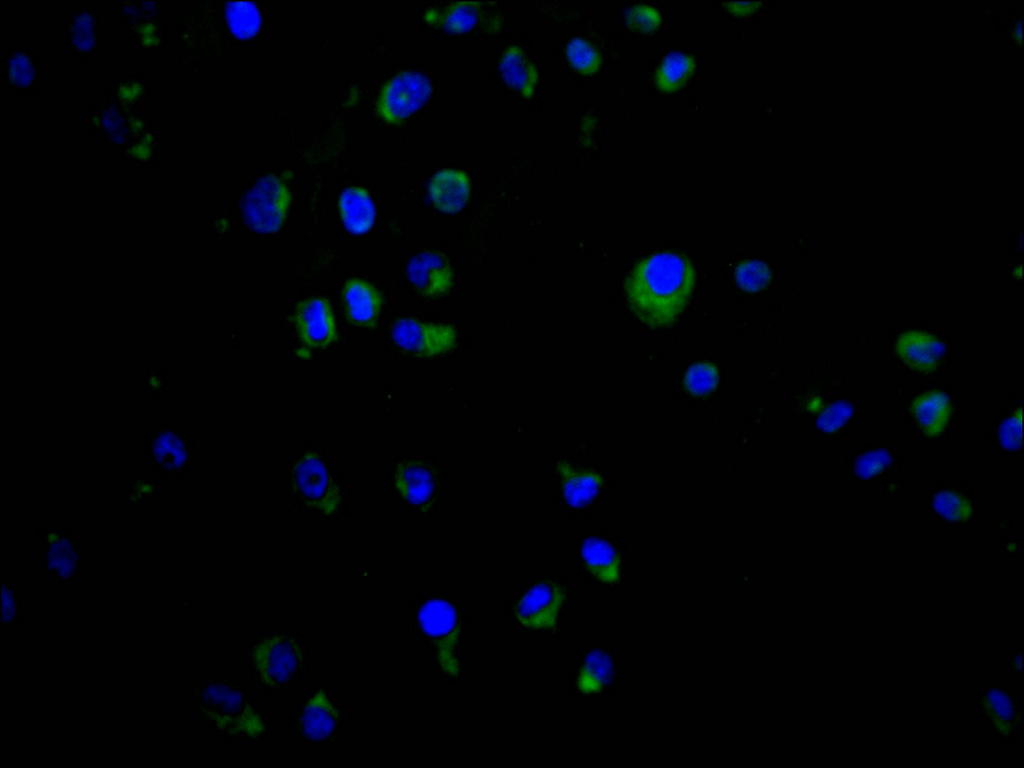
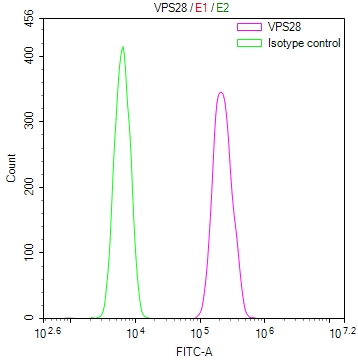
Validation studies demonstrate robust performance in immunohistochemistry, immunofluorescence, and flow cytometry applications. In IHC studies using paraffin-embedded human prostate cancer tissue with citrate buffer antigen retrieval, the antibody produces clear staining at dilutions between 1:50 and 1:200. Immunofluorescence analysis of HeLa cells reveals distinct subcellular localization patterns consistent with VPS28's known cytoplasmic and endosomal distribution. Flow cytometry validation using SH-SY5Y neuroblastoma cells confirms specific detection with clear separation from isotype control, supporting applications in quantitative single-cell analysis.
The antibody's validated performance across tissue sections, adherent epithelial cells, and suspension neuronal cell lines provides flexibility for diverse experimental designs. Researchers studying endosomal trafficking, ESCRT complex function, viral assembly mechanisms, or autophagy pathways will find this reagent well-suited for characterizing VPS28 expression and localization in human samples.
There are currently no reviews for this product.





