
Call us
301-363-4651 (Available 9 a.m. to 5 p.m. CST from Monday to Friday)

ANGPTL3 (Angiopoietin-like protein 3) is a hepatocyte-derived secreted protein that plays a central role in the regulation of lipoprotein metabolism. Substantial evidence from human genetics, molecular mechanism studies, and clinical interventions indicates that ANGPTL3 regulates the distribution and clearance of triglycerides (TG), high-density lipoprotein cholesterol (HDL-C), and low-density lipoprotein cholesterol (LDL-C) by inhibiting lipoprotein lipase (LPL) and endothelial lipase (EL), and by acting in concert with ANGPTL8. Compared to the ANGPTL4/LPL pathway, ANGPTL3 exhibits a unique metabolic fingerprint and displays non-canonical roles in inflammation, cancer, hepatic metabolism, and multi-organ diseases.
In recent years, various therapeutic strategies targeting ANGPTL3, including monoclonal antibodies, nucleic acid silencing, and gene editing, have entered clinical or preclinical stages, demonstrating significant lipid-lowering potential while also revealing safety challenges such as increased hepatic lipids and immune compensation. This article elucidates the biological characteristics, signaling pathways, disease associations, and drug development progress of ANGPTL3, aiming to provide assistance for your research.
1. Discovery and Research Significance of ANGPTL3
2. Biological Characteristics and Signaling Pathways of ANGPTL3
3. ANGPTL3 and Associated Diseases
ANGPTL3 (Angiopoietin-like protein 3) is a hepatocyte-derived secreted protein first identified through human genetic studies. Its loss-of-function mutations are closely associated with a characteristic phenotype of "familial combined hypolipidemia." Individuals carrying homozygous inactivating mutations exhibit synchronously and significantly reduced levels of TG, HDL-C, and LDL-C. This phenomenon prompted researchers to validate its causality in animal and cellular models using RNA interference and CRISPR/Cas9 technology, confirming the pivotal role of ANGPTL3 in systemic lipoprotein metabolism [1].
At the molecular level, ANGPTL3 explains the decrease in TG and HDL-C through the inhibition of LPL and EL activity. The reduction in LDL-C involves more complex mechanisms, including decreased ApoB lipoprotein secretion and enhanced clearance, suggesting that ANGPTL3's actions are not confined to a single enzyme inhibition pathway [1].
Studies based on metabolomics and Mendelian randomization have further revealed differences between ANGPTL3 and other lipid metabolism targets. Inhibition of ANGPTL4 or enhancement of LPL produces highly consistent metabolic effects, correlating with improved insulin sensitivity and reduced risk of coronary heart disease. In contrast, inhibition of ANGPTL3 presents unique alterations in lipoprotein subtypes and signals related to renal function, and its metabolic signature has a more complex relationship with cardiovascular outcomes [2][3].
Although drug-target Mendelian randomization analyses of common variants have not consistently predicted a reduction in CAD risk, both protein-truncating variants and pharmacological inhibition show significant reductions in atherosclerotic cardiovascular disease risk [4][5]. Research on specific loci (e.g., rs1748195) suggests ANGPTL3 may be involved in disease pathogenesis by affecting HDL functionality, but this evidence requires larger-scale validation [6].
In summary, ANGPTL3 combines clear genetic causality and druggable characteristics. However, the heterogeneity of its metabolic effects indicates that its optimal application scenarios must be clarified through comprehensive mechanism studies and stratified clinical trials.
The C-terminal fibrinogen-like domain (ANGPTL3-FLD) of ANGPTL3 is its key functional module. In vitro studies show that ANGPTL3-FLD significantly amplifies the lipolytic response under β-adrenergic stimulation, accompanied by increased HSL activity. This effect depends on the MAPK-ERK pathway rather than simply superimposing on adrenergic signaling [7]. This domain can also activate signals such as AKT in different cell types, suggesting ANGPTL3 possesses trans-tissue signaling regulatory capacity.
In the circulatory system, ANGPTL3 regulates TG metabolism by inhibiting LPL, a physiological significance validated in various models. Inhibiting ANGPTL3 expression enhances LPL activity and improves hyperlipidemia, but may also induce upregulation of hepatic lipogenesis and lipid accumulation, a phenomenon observed in both cellular experiments and ASO clinical trials [8][9].
ANGPTL3 does not function in isolation; its complex with ANGPTL8 significantly enhances LPL inhibitory activity in the postprandial state, thereby redistributing fatty acid uptake between muscle and adipose tissue [10]. This mechanism explains ANGPTL3's seemingly opposite effects on local lipolysis and systemic lipid distribution.
ANGPTL3 influences remnant cholesterol and VLDL metabolism via the LPL pathway, closely relating to coronary heart disease risk. Genetic evidence indicates that enhancing LPL-mediated lipolysis can simultaneously reduce the risk of coronary heart disease and type 2 diabetes, while the cardiovascular benefit from ANGPTL3 inhibition is partly independent of LDL-C reduction [11]. In clinical trials, inhibiting ANGPTL3 synthesis significantly reduces remnant cholesterol and VLDL-C, establishing a causal chain from molecular inhibition to clinical phenotype improvement [12].
At the regulatory level, the ANGPTL3-ANGPTL4-ANGPTL8 model elucidates the regulation of TG flow between tissues during fed and fasting states [13]. Furthermore, transcription factors like ChREBP and miRNAs (e.g., miR-181d) are involved in its expression regulation, tightly coupling glucose metabolism, obesity status, and lipid homeostasis [14][15].
Notably, ANGPTL3 also possesses intracellular functions; it can inhibit NF-κB signaling by interacting with IL1R1/IL1RAP, suggesting its potential role in inflammation regulation [17].
In the field of metabolic diseases, elevated ANGPTL3 is closely associated with dyslipidemia related to nephrotic syndrome. Serum ANGPTL3 levels are increased in PNS patients and positively correlated with TG and LDL-C; animal models show that ANGPTL3 overexpression exacerbates hypertriglyceridemia and proteinuria, while knockout has a protective effect [20][21]. In diabetes and obesity, ANGPTL3 often co-elevates with ANGPTL8, together determining an adverse lipid profile. Its diagnostic value as a single biomarker is limited but holds potential in multi-indicator panels [23][24].
In cardiovascular diseases, ANGPTL3 is not only a lipid-regulating factor but also directly participates in atherosclerotic plaque inflammation. Its C-terminal domain can act as a ligand for integrin αvβ3, promoting macrophage activation within plaques; combined blockade of ANGPTL3 and CD47 can achieve plaque regression and improve phagocytic function in animal models [21][22].
In cancer, ANGPTL3 exhibits context-dependent roles. Ovarian cancer research shows that downregulation of ANGPTL3 is associated with chemotherapy resistance, while restoring its expression can inhibit the PI3K-AKT-mTOR pathway and enhance NK cell killing [25]. Conversely, the hypolipidemic environment caused by ANGPTL3 deficiency can promote Treg expansion and induce an immunosuppressive phenotype [18], suggesting systemic inhibition may have adverse effects in the context of cancer or infection.
In organ repair models, ANGPTL3 inhibition can synergize with autophagy-modulating drugs to ameliorate nephropathy, while local delivery of ANGPTL3 can promote angiogenesis after spinal cord injury via PI3K/AKT [16]. These studies collectively emphasize that ANGPTL3 has distinct, even opposite, biological effects in different tissues.
As a key target for regulating lipid metabolism, the development of ANGPTL3-targeting drugs has progressed rapidly in recent years, encompassing various technological approaches such as monoclonal antibodies, siRNA, gene editing, and small molecule drugs. Multiple drugs have entered different clinical stages. Among them, evinacumab, as the first approved monoclonal antibody for treating diseases like homozygous familial hypercholesterolemia, marks a substantive breakthrough in the therapeutic application of this target. Concurrently, nucleic acid-based drugs represented by siRNA have advanced to Phase III clinical trials for indications including familial hyperlipidemia and hypertriglyceridemia, demonstrating sustained therapeutic potential. Furthermore, emerging directions such as gene editing therapies and bispecific antibodies are gradually entering early clinical stages, propelling the field toward precision and long-lasting efficacy. The table below outlines the global R&D status of major ANGPTL3-targeting drugs for reference in related research and clinical practice.
| Drug | Drug Type | Indication | Research institutions | Highest Phase |
|---|---|---|---|---|
| Ivecur monoclonal antibody | Monoclonal antibodies | Homozygous Familial Hypercholesterolemia | Diabetic nephropathy | Ultragenyx Pharmaceutical, Inc. | Ultragenyx Germany GmbH | Ultragenyx Japan KK | Regeneron Pharmaceuticals, Inc. | Approved for listing |
| Zodasiran | siRNA | Homozygous Familial Hypercholesterolemia | Complicated dyslipidemia | Familial hypercholesterolemia | Hypertriglyceridemia | Primary hypercholesterolemia | Viazhen Biotechnology (Shanghai) Co., Ltd. | Viazhen Biotechnology (Hong Kong) Limited | Arrowhead Pharmaceuticals, Inc. | Viazhen Biotechnology (Suzhou) Co., Ltd | Phase 3 clinical trial |
| SHR-1918 | Monoclonal antibodies | Familial Mixed Hyperlipidemia | Homozygous familial hypercholesterolemia | Beijing Shengdi Pharmaceutical Co., Ltd. | Suzhou Shengdia Biopharmaceutical Co., Ltd | Phase 3 clinical trial |
| BW-00112 | siRNA | Hypertriglyceridemia | Lipid disorders | Metabolic Diseases | Nutritional disorders | Shanghai Bowang Pharmaceutical Co., Ltd. | Hangzhou Shipin Pharmaceutical Technology Co., Ltd | Clinical phase 2 |
| Solbinsiran Sodium | siRNA | Hypertriglyceridemia | Hyperlipoproteinemia | Eli Lilly & Co. | Clinical phase 2 |
| ALN-ANG3 | siRNA | Diabetic nephropathy | Alnylam Pharmaceuticals, Inc. | Regeneron Pharmaceuticals, Inc. | Clinical phase 2 |
| JS401 | siRNA | Metabolic Diseases | Hyperlipidemia | Hypercholesterolemia | Hypertriglyceridemia | Shanghai Junshi Biomedical Technology Co., Ltd. | Runjia (Shanghai) Pharmaceutical Technology Co., Ltd | Clinical phase 1/2 |
| SYH2070 | siRNA | Hyperlipidemia | Familial Mixed Hyperlipidemia | Hypertriglyceridemia | Diseases of the endocrine system | CSPC Pharmaceutical Group Zhongqi Pharmaceutical Technology (Shijiazhuang) Co., Ltd. | CSPC Pharmaceutical Group Co., Ltd. | CSPC Pharmaceutical Group Zhongnuo Pharmaceutical (Shijiazhuang) Co., Ltd | Clinical phase 1 |
| VERVE-201 | Gene editing | Hypercholesterolemia | Hypertriglyceridemia | Homozygous familial hypercholesterolemia | Verve Therapeutics, Inc. | Clinical phase 1 |
| AZD-1705 | Small molecule chemicals | Lipid disorders | Cardiovascular disease | AstraZeneca PLC | Clinical phase 1 |
| FY101 | siRNA | Hyperlipidemia | Beijing Fuyuan Pharmaceutical Co., Ltd | Clinical phase 1 |
| NNC0491-6075 | Monoclonal antibodies | Hypertriglyceridemia | Novo Nordisk A/S | Clinical phase 1 |
| CTX-310 | CRISPR/Cas9 | Cardiovascular disease | CRISPR Therapeutics AG | The clinical stage is unknown |
| BAT6024/BAT6034 | Bispecific antibodies | Hypertriglyceridemia | Biotech Biopharmaceutical Co., Ltd | Clinical application |
(Data as of December 26, 2025, sourced from synapse)
CUSABIO provides ANGPTL3 recombinant protein, antibodies, and ELISA kits to facilitate your related mechanism research and targeted drug development.
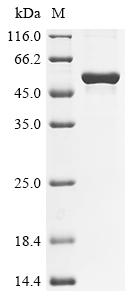
● ANGPTL3 Recombinant Protein
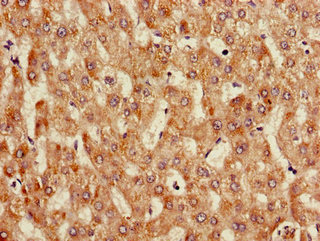
● ANGPTL3 Antibody
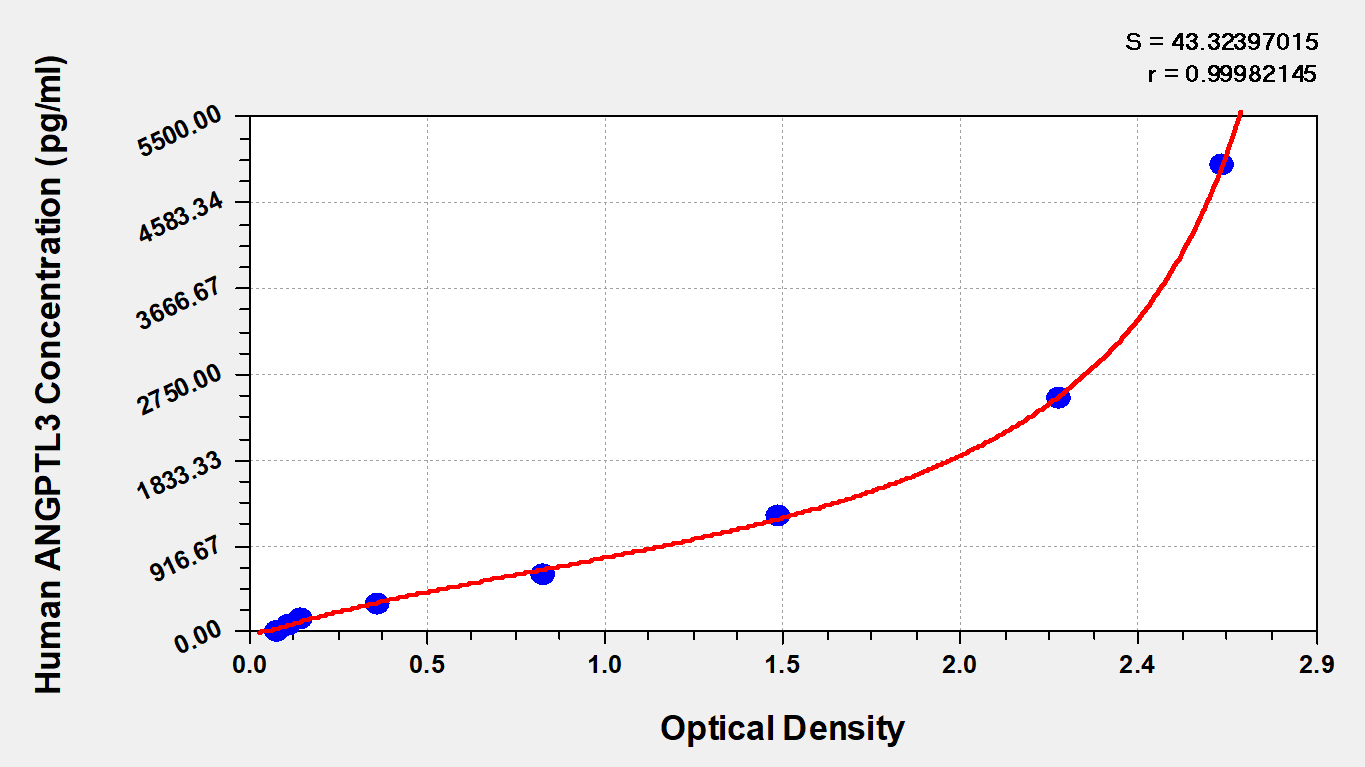
● ANGPTL3 ELISA Kit
References
[1] Yu-Xin Xu, Valeska Redon, Haojie Yu, William Querbes, James Pirruccello, Abigail Liebow, Amy Deik, Kevin Trindade, Xiao Wang, Kiran Musunuru, Clary B Clish, Chad Cowan, Kevin Fizgerald, Daniel Rader, Sekar Kathiresan.(2018). Role of angiopoietin-like 3 (ANGPTL3) in regulating plasma level of low-density lipoprotein cholesterol.
[2] Qin Wang, Clare Oliver‐Williams, Olli T. Raitakari, Jorma Viikari, Terho Lehtimäki, Mika Kähönen, Marjo‐Riitta Järvelin, Veikko Salomaa, Markus Perola, John Danesh, Johannes Kettunen, Adam S. Butterworth, Michael V. Holmes, Mika Ala‐Korpela.(2020). Metabolic profiling of angiopoietin-like protein 3 and 4 inhibition: a drug-target Mendelian randomization analysis.
[3] Tom G. Richardson, Genevieve M Leyden, Qin Wang, Joshua A. Bell, Benjamin Elsworth, George Davey Smith, Michael V. Holmes.(2022). Characterising metabolomic signatures of lipid-modifying therapies through drug target mendelian randomisation.
[4] Fredrik Landfors, Peter Henneman, Elin Chorell, Stefan K. Nilsson, Sander Kersten.(2024). Drug-target Mendelian randomization analysis supports lowering plasma ANGPTL3, ANGPTL4, and APOC3 levels as strategies for reducing cardiovascular disease risk.
[5] Frederick E. Dewey, Viktoria Gusarova, Richard L. Dunbar, Colm O’Dushlaine, Claudia Schurmann, Omri Gottesman, Shane McCarthy, Cristopher V. Van Hout, Shannon Bruse, Hayes M. Dansky, Joseph B. Leader, Michael F. Murray, Marylyn D. Ritchie, H. Lester Kirchner, Lukas Habegger, Alex Lopez, John S. Penn, An Sha Zhao, Weiping Shao, Neil Stahl, Andrew Murphy, Sara Hamon, Aurelie Bouzelmat, Rick Zhang, Brad Shumel, Robert Pordy, Daniel A. Gipe, Gary Herman, Wayne Huey‐Herng Sheu, I‐Te Lee, Kae‐Woei Liang, Xiuqing Guo, Jerome I. Rotter, Yii‐Der I. Chen, William E. Kraus, Svati H. Shah, Scott M. Damrauer, Aeron Small, Daniel J. Rader, Anders Berg Wulff, Børge G. Nordestgaard, Anne Tybjærg‐Hansen, Anita M. van den Hoek, P. Hans, David H. Ledbetter, David J. Carey, John D. Overton, Jeffrey G. Reid, William J. Sasiela, Poulabi Banerjee, Alan R. Shuldiner, Ingrid B. Borecki, Tanya M. Teslovich, George D. Yancopoulos, Scott Mellis, Jesper Gromada, Aris Baras.(2017). Genetic and Pharmacologic Inactivation of ANGPTL3 and Cardiovascular Disease.
[6] Malihe Aghasizadeh, Mina Nosrati, Maryam Saberi‐Karimian, Hamideh Safarian, Parisa Assadian, Ensieh Akbarpour, Amirhosein Sahebkar, Amir Avan, Gordon A. Ferns, Toba Kazemi, Ebrahim Miri‐Moghaddam, Majid Ghayour‐Mobarhan.(2021). Association of ANGPTL3 polymorphisms with high‐density lipoprotein cholesterol uptake capacity in patients with cardiovascular disease.
[7] Simone Bini, Valeria Pecce, Alessia Di Costanzo, Luca Polito, Ameneh Ghadiri, Ilenia Minicocci, Federica Tambaro, Stella Covino, Marcello Arca, Laura D’Erasmo.(2022). The Fibrinogen-like Domain of ANGPTL3 Facilitates Lipolysis in 3T3-L1 Cells by Activating the Intracellular Erk Pathway.
[8] Wan-Yun Gao, Pei‐Yi Chen, Hao‐Jen Hsu, Je-Wen Liou, Chia‐Ling Wu, Ming‐Jiuan Wu, Jui-Hung Yen.(2024). Xanthohumol, a prenylated chalcone, regulates lipid metabolism by modulating the LXRα/RXR-ANGPTL3-LPL axis in hepatic cell lines and high-fat diet-fed zebrafish models.
[9] Ilaria Rossi, Giorgia Marodin, Maria Giovanna Lupo, Maria Pia Adorni, Bianca Papotti, Stefano Dall’Acqua, Nicola Ferri.(2024). Gene Silencing of Angiopoietin-like 3 (ANGPTL3) Induced De Novo Lipogenesis and Lipid Accumulation in Huh7 Cell Line.
[10] Yan Chen, Thomas G. Pottanat, Robert W. Siegel, Mariam Ehsani, Yuewei Qian, Yuejun Zhen, Ajit Regmi, William C. Roell, Haihong Guo, Mengdie Luo, Ruth E. Gimeno, Ferdinand van’t Hooft, Robert J. Konrad.(2020). Angiopoietin-like protein 8 differentially regulates ANGPTL3 and ANGPTL4 during postprandial partitioning of fatty acids.
[11] Luca A. Lotta, Isobel D. Stewart, Stephen J. Sharp, Felix R. Day, Stephen Burgess, Jian’an Luan, Nicholas Bowker, Lina Cai, Chen Li, Laura B. L. Wittemans, Nicola D. Kerrison, Kay‐Tee Khaw, Mark I. McCarthy, Stephen O’Rahilly, Robert A. Scott, David B. Savage, John R. B. Perry, Claudia Langenberg, Nicholas J. Wareham.(2018). Association of Genetically Enhanced Lipoprotein Lipase–Mediated Lipolysis and Low-Density Lipoprotein Cholesterol–Lowering Alleles With Risk of Coronary Disease and Type 2 Diabetes.
[12] André Zimerman, Stephen D. Wiviott, Jeong‐Gun Park, Sabina A. Murphy, Xinhui Ran, Candace Bramson, Madelyn Curto, Vesper Ramos, Alexandra Jevne, Julia Kuder, Subodh Verma, Wojciech Wojakowski, Steven G. Terra, Marc S. Sabatine, Brian A. Bergmark, Nicholas Marston.(2024). Reductions in remnant cholesterol and VLDL cholesterol through inhibition of ANGPTL3 protein synthesis: an analysis from the TRANSLATE-TIMI 70 trial.
[13] Ren Zhang.(2016). The ANGPTL3-4-8 model, a molecular mechanism for triglyceride trafficking.
[14] Katsumi Iizuka, Ken Takao, Daisuke Yabe.(2020). ChREBP-Mediated Regulation of Lipid Metabolism: Involvement of the Gut Microbiota, Liver, and Adipose Tissue.
[15] Mohamed Abu‐Farha, Preethi Cherian, Irina Al‐Khairi, Rasheeba Nizam, Abdullah Alkandari, Hossein Arefanian, Jaakko Tuomilehto, Fahd Al‐Mulla, Jehad Abubaker.(2019). Reduced miR-181d level in obesity and its role in lipid metabolism via regulation of ANGPTL3.
[16] Baowei Ji, Junchao Liu, Ye Yin, Hong Xu, Qian Shen, Jian Yu.(2023). Minnelide combined with anti-ANGPTL3-FLD monoclonal antibody completely protects mice with adriamycin nephropathy by promoting autophagy and inhibiting apoptosis.
[17] Yu Zhang, Zi-tong Zhang, Shi-yuan Wan, Jing Yang, Yujuan Wei, Huijing Chen, Wan-zhu Zhou, Qiu‐yi Song, Shu‐xuan Niu, Ling Zheng, Kun Huang.(2023). ANGPTL3 negatively regulates IL-1β-induced NF-κB activation by inhibiting the IL1R1-associated signaling complex assembly.
[18] Alessandra Pinzon Grimaldos, Ilenia Pacella, Simone Bini, Gloria Tucci, Ilenia Cammarata, Alessia Di Costanzo, Ilenia Minicocci, Laura D'Erasmo, Marcello Arca, Silvia Piconese.(2022). ANGPTL3 deficiency associates with the expansion of regulatory T cells with reduced lipid content.
[19] Tangliang Zhao, Xiaolong Liang, Junming Chen, Yi Bao, Anbang Wang, Xinxin Gan, Xin Lu, Linhui Wang.(2019). ANGPTL3 inhibits renal cell carcinoma metastasis by inhibiting VASP phosphorylation.
[20] Fu Zhong, Shurao Liu, Yue Li, Guanyu Li, Ming Liu, Jingzhi Wang, Weijing Cui, Yanhong Suo, Xia Gao.(2022). ANGPTL3 impacts proteinuria and hyperlipidemia in primary nephrotic syndrome.
[21] Yuejie Zhang, Cen Yan, Yuan Dong, Jiwei Zhao, Xuanyi Yang, Yalan Deng, Li Su, Jiming Yin, Yang Zhang, Fenghui Sun, Yingmei Feng.(2025). ANGPTL3 accelerates atherosclerotic progression via direct regulation of M1 macrophage activation in plaque.
[22] Xiaozhi Hu, Yanyang Nan, Yuting Zhang, Jiajun Fan, Hanqi Wang, Yu Bai, Yuanzhen Zhang, Xuyao Zhang, Zeguo Zhu, Zhonglian Cao, Xiaomiao Ye, Tao Wu, Shuwen Xu, Zhengyu Wu, Wei Hu, Dianwen Ju.(2024). Simultaneously blocking ANGPTL3 and CD47 prevents the progression of atherosclerosis through regulating lipid metabolism, macrophagic efferocytosis and lipid peroxidation.
[23] Mohamed Abu‐Farha, Irina Al‐Khairi, Preethi Cherian, Betty Chandy, Sriraman Devarajan, Asma Alhubail, Faisal Al-Refaei, Abdulmohsen Alterki, Jehad Abubaker.(2016). Increased ANGPTL3, 4 and ANGPTL8/betatrophin expression levels in obesity and T2D.
[24] Marina Harada, Tadashi Yamakawa, Rie Kashiwagi, Akeo Ohira, Mai Sugiyama, Yasuyuki Sugiura, Yoshinobu Kondo, Yasuo Terauchi.(2021). Association between ANGPTL3, 4, and 8 and lipid and glucose metabolism markers in patients with diabetes.
[25] Dandan Wu, Jia Liu, Xin Yang, Zhifen Wu, Tingzhao Wang, Meiqin Xiao.(2024). ANGPTL3 diminishes the resistance of ovarian cancer to paclitaxel by blocking the PI3K-AKT-mTOR signaling pathway.




Comments
Leave a Comment