
Call us
301-363-4651 (Available 9 a.m. to 5 p.m. CST from Monday to Friday)

| Code | CSB-EP356423BUA |
| Abbreviation | Recombinant Bordetella pertussis ptxA protein |
| MSDS | |
| Size | US$388 |
| Order now | |
| Image |
|
| Have Questions? | Leave a Message or Start an on-line Chat |
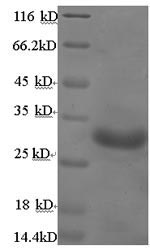
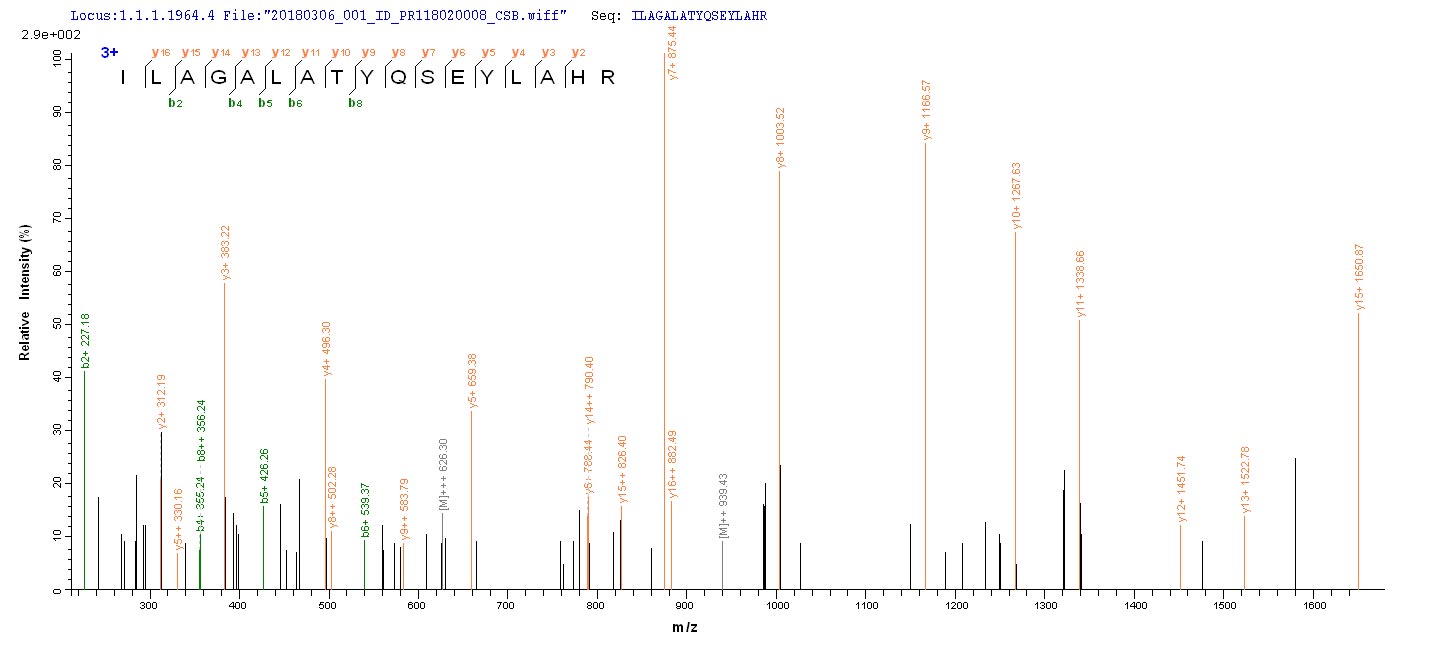
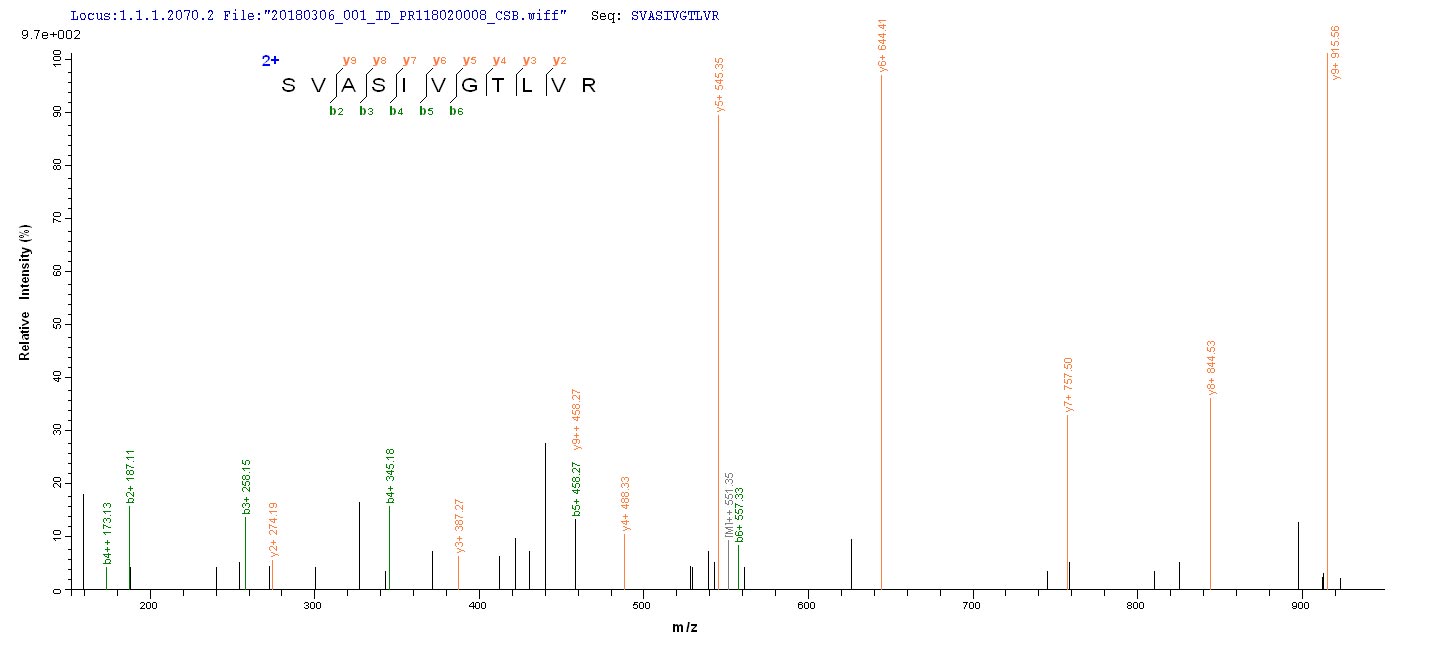
Recombinant Bordetella pertussis Pertussis toxin subunit 1 (ptxA) is expressed in E.coli and includes the mature protein region from amino acids 35 to 269. This full-length protein comes with an N-terminal 6xHis tag, which makes purification and detection more straightforward. SDS-PAGE analysis shows the product achieves purity levels above 90%, and it's intended for research use with consistent quality for experimental work.
Pertussis toxin subunit 1 (ptxA) forms part of the pertussis toxin complex, which appears to be central to how Bordetella pertussis causes disease. This particular subunit seems to help the toxin interfere with cellular signaling - a factor that makes it an important target for research into bacterial infection pathways and immune responses. Learning more about how it's structured and what it does may help scientists develop better treatments and vaccines.
Potential Applications
Note: The applications listed below are based on what we know about this protein's biological functions, published research, and experience from experts in the field. However, we haven't fully tested all of these applications ourselves yet. We'd recommend running some preliminary tests first to make sure they work for your specific research goals.
The Bordetella pertussis PtxA is the enzymatically active S1 subunit of pertussis toxin, which requires correct folding, disulfide bond formation, and assembly with other toxin subunits (B-oligomer) for full ADP-ribosyltransferase activity and toxicity. While E. coli can express soluble proteins, it may not facilitate proper disulfide bond formation in the cytoplasm, and the His tag might sterically interfere with the active site or subunit assembly. Critically, ptxA must correctly fold to exhibit enzymatic activity, but E. coli lacks the eukaryotic chaperones and specific post-translational modifications that may be important for native conformation. Without experimental validation (e.g., enzymatic activity assays or structural analysis), the protein cannot be assumed to be correctly folded or bioactive.
1. Antibody Development and Validation Studies
This application is suitable. The recombinant ptxA can serve as an immunogen for generating antibodies against linear epitopes, even if misfolded. The His tag facilitates purification and immobilization for screening. However, antibodies produced may not recognize conformational epitopes of the native, properly folded and assembled pertussis toxin. Validate antibody specificity against native pertussis toxin or ptxA from B. pertussis culture.
2. Protein-Protein Interaction Studies
Use with caution. The His tag enables pull-down assays to identify binding partners, but if ptxA is misfolded, interactions may be non-physiological. Importantly, ptxA must correctly fold to interact with its natural partners (e.g., B-oligomer of pertussis toxin, host cell targets). Validate any identified interactions using native ptxA or full pertussis toxin.
3. Biochemical Characterization and Structural Studies
This Bordetella pertussis PtxA is suitable for basic biophysical analysis (e.g., circular dichroism for secondary structure, mass spectrometry for molecular weight). However, without confirmed bioactivity, data on enzymatic properties or functional structure are unreliable. First, validate ADP-ribosyltransferase activity before kinetic or structural studies.
4. Vaccine Research and Immunological Studies
Not recommended without folding and activity validation. An inactivated but correctly folded ptxA (toxoid) is essential for vaccine studies. A misfolded ptxA may not elicit neutralizing antibodies against the native toxin. Use properly detoxified, natively folded ptxA for vaccine development. This recombinant protein may be used for antibody production but not as an immunogen for protective studies.
Final Recommendation & Action Plan
Before using this recombinant ptxA for any functional application, validate its folding and bioactivity. First, test its enzymatic activity using an ADP-ribosyltransferase assay (e.g., with NAD and a substrate like transducin). If active, proceed with interaction or kinetic studies, but include appropriate controls (e.g., known inhibitors). If inactive, limit use to non-functional applications like antibody production (with validation against native toxin). For vaccine research, use only properly folded and inactivated ptxA. For reliable results, consider expressing ptxA in a system that supports disulfide bond formation (e.g., E. coli with a periplasmic signal sequence) or using eukaryotic expression. Always validate outcomes with native pertussis toxin controls.
There are currently no reviews for this product.
KEGG: bpe:BP3783
STRING: 257313.BP3783





