
Call us
301-363-4651 (Available 9 a.m. to 5 p.m. CST from Monday to Friday)

| Code | CSB-RA053471A0HU |
| Size | US$210 |
| Order now | |
| Image |
|
| Have Questions? | Leave a Message or Start an on-line Chat |
| Application | Recommended Dilution |
|---|---|
| WB | 1:500-1:5000 |
| IHC | 1:50-1:200 |
| IF | 1:50-1:200 |
| FC | 1:50-1:200 |
Thioredoxin 2 (TXN2) serves as a critical mitochondrial redox regulator, maintaining the reduced state of proteins within the mitochondrial matrix and protecting cells against oxidative stress. This mitochondria-specific thioredoxin plays essential roles in cellular defense mechanisms, apoptosis regulation, and mitochondrial function, making it a significant target for researchers investigating oxidative stress responses, mitochondrial biology, and various disease states where redox imbalance contributes to pathology.
This recombinant monoclonal antibody, developed using rabbit host immunization against a synthetic peptide derived from human TXN2, offers the reproducibility and consistency that demanding research applications require. As a sequence-defined recombinant clone (10C11), it eliminates the lot-to-lot variability that can compromise longitudinal studies, ensuring your experimental conditions remain constant across projects.
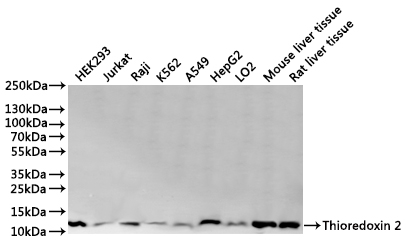
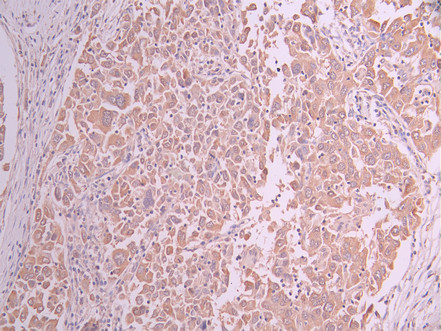
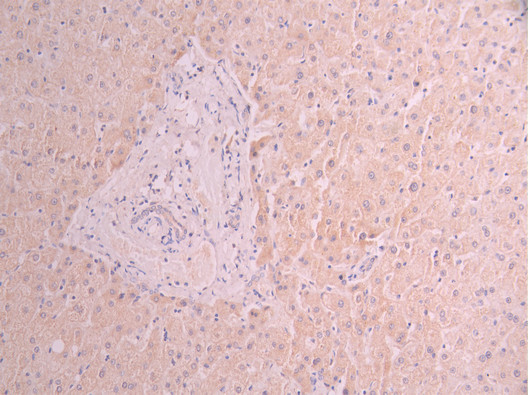
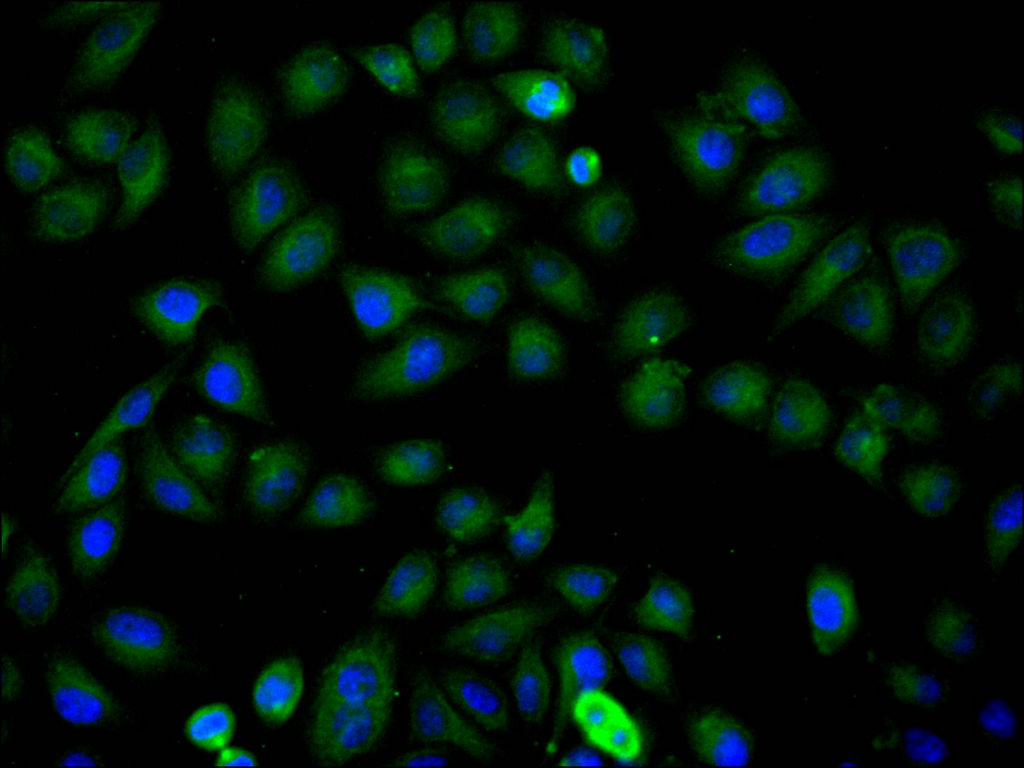
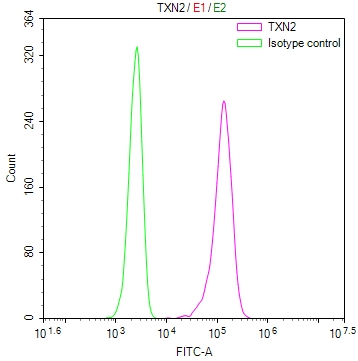
Validation studies demonstrate robust performance across multiple platforms. Western blot analysis confirms detection in a diverse panel of human cell lines including HEK293, Jurkat, Raji, K562, A549, HepG2, and LO2, with cross-species reactivity extending to mouse and rat liver tissue lysates. The observed band at approximately 12 kDa, smaller than the 18 kDa predicted molecular weight, likely reflects post-translational processing or cleavage of the mitochondrial targeting sequence upon import. Immunohistochemistry validation in human liver and liver cancer tissue sections shows clear staining patterns, while immunofluorescence studies in HeLa cells and flow cytometry analysis of Jurkat cells further confirm the antibody's versatility for cellular localization and quantitative studies.
This antibody supports investigations into mitochondrial dysfunction, cancer metabolism, neurodegenerative diseases, and cellular stress responses where understanding TXN2 expression and localization provides mechanistic insights.
There are currently no reviews for this product.





