
Call us
301-363-4651 (Available 9 a.m. to 5 p.m. CST from Monday to Friday)

CD200 (also known as OX-2) is an important immunosuppressive molecule belonging to the immunoglobulin superfamily. It mediates negative immune regulation through binding to its receptor, CD200R, playing a critical role in maintaining immune homeostasis and suppressing excessive inflammatory responses. CD200 is widely expressed on immune cells, neurons, and tumor cells, and its aberrant expression is closely associated with various diseases. Research indicates that the CD200/CD200R signaling axis exerts significant functions in tumor immune evasion, autoimmune diseases, neuroinflammation, and infectious diseases by inhibiting myeloid cell activation, regulating cytokine secretion, and remodeling the immune microenvironment. In recent years, immunotherapeutic strategies targeting the CD200 pathway have gained increasing attention. This article systematically reviews the molecular characteristics, signaling pathways, and mechanisms of action of CD200 in various diseases, aiming to provide a theoretical basis for related basic research and targeted therapy.
1. Introduction: The Role of CD200 in Immune Regulation
2. Molecular Biological Characteristics of CD200
3. CD200 Signaling Pathway and Its Immunoregulatory Mechanisms
4. Disease Mechanisms Associated with CD200
CD200 (cluster of differentiation 200), also known as OX-2, is a widely expressed immunoregulatory molecule belonging to the immunoglobulin superfamily. Its expression pattern is distinctly cross-system, being present not only on immune cells such as T cells, B cells, and dendritic cells, but also highly expressed on endothelial cells, as well as neurons and glial cells in the central nervous system [1,2]. This broad expression profile underlies its important roles in immune regulation and tissue protection.
CD200 exerts its classical immunosuppressive signaling axis by binding to its specific receptor, CD200R. CD200R is primarily expressed on myeloid cells, such as macrophages and dendritic cells; its activation inhibits the immune activity of these cells, thereby reducing inflammatory responses and maintaining immune homeostasis [3]. Under normal physiological conditions, this pathway helps prevent excessive immune activation and tissue damage; however, under certain pathological conditions, particularly in the tumor environment, this mechanism may be co-opted to facilitate immune evasion.
With the continuous advancement of immunology and tumor biology research, the CD200/CD200R signaling axis has gradually become a significant research focus in the field of immune regulation. Its critical roles in tumors, autoimmune diseases, and neurological disorders suggest that this pathway is not only involved in disease pathogenesis but also holds potential as a therapeutic target. Therefore, systematic investigation into the molecular mechanisms and signaling networks of CD200 is of great significance.
CD200 is a type I transmembrane glycoprotein, structurally composed of an extracellular domain, a transmembrane domain, and an intracellular domain. The extracellular domain contains two typical immunoglobulin-like domains: an IgV-like domain and an IgC-like domain, with the IgV domain being the key functional region responsible for binding to CD200R. The transmembrane domain anchors the protein to the cell membrane, while the intracellular domain is relatively short and lacks typical signal transduction motifs.
Unlike most immune receptors, CD200 itself does not possess direct signal transduction capability; its function depends on binding to CD200R. CD200R, functioning as the receptor, contains multiple tyrosine residues within its intracellular domain that can be phosphorylated, initiating downstream signaling cascades upon ligand binding. This "ligand-receptor" division of labor allows CD200 to function primarily as a signal-triggering molecule in immune regulation.
The expression of CD200 exhibits distinct tissue specificity and functional correlation. In the immune system, its expression aids in regulating immune cell activity; in the nervous system, its high expression is closely associated with the suppression of neuroinflammatory responses. This expression pattern provides a structural basis for its multiple functions in different physiological and pathological environments.
The core function of CD200 relies on its binding to CD200R. Upon ligand-receptor engagement, tyrosine residues in the intracellular domain of CD200R are phosphorylated, recruiting adaptor proteins such as Dok1 and Dok2, which further inhibit the activation of the Ras-MAPK signaling pathway [3]. This process leads to the downregulation of signals related to cell proliferation and inflammatory responses, thereby reducing immune cell activation levels.
This pathway primarily operates in myeloid cells such as macrophages and dendritic cells. By inhibiting their activation and antigen-presenting functions, it reduces the secretion of inflammatory factors like TNF-α and IL-6, exerting an overall immunosuppressive effect. This mechanism is crucial for maintaining immune homeostasis but may lead to insufficient immune responses under disease conditions.
In the central nervous system, CD200 is primarily expressed on neurons, while CD200R is mainly found on microglial cells. The interaction between them constitutes a critical foundation for neuroimmune regulation. Under physiological conditions, neurons continuously express CD200 to inhibit microglial activation, thereby maintaining a low-inflammatory environment in the nervous system.
When CD200 expression decreases or signal transduction is impaired, microglia can become aberrantly activated, releasing large amounts of pro-inflammatory cytokines, inducing neuroinflammatory responses, and accelerating neuronal damage. This process is significant in various neurodegenerative diseases, highlighting the key role of CD200 in maintaining neuroimmune homeostasis.
In the tumor microenvironment, CD200 is often highly expressed and forms an immunosuppressive network via the CD200/CD200R axis. CD200 expressed on tumor cells can bind to CD200R on immune cells, thereby inhibiting the anti-tumor functions of macrophages and dendritic cells, reducing antigen presentation efficiency, and suppressing T cell activation.
Furthermore, CD200 may enhance the immunosuppressive microenvironment by influencing the functions of regulatory T cells and myeloid-derived suppressor cells. This multi-layered regulatory mechanism positions CD200 as a key molecule in tumor immune evasion, exerting a sustained effect throughout tumor progression.
CD200 is highly expressed in various tumors, and its expression level is often associated with poor prognosis. By inhibiting anti-tumor immune responses, CD200 promotes tumor cell growth and survival. In the tumor microenvironment, its main effects include suppressing myeloid cell activation, reducing antigen-presenting capacity, and weakening T cell-mediated immune responses.
Additionally, CD200 reinforces the state of immune evasion by modulating immunosuppressive cell populations. This comprehensive action makes it a potential immunotherapeutic target. Multiple studies have confirmed that high CD200 expression is closely associated with tumor progression and poor prognosis in various cancers, including pancreatic cancer [4-6], multiple myeloma [7], gastric cancer [8], and head and neck squamous cell carcinoma [9].
In autoimmune diseases, the CD200/CD200R signaling axis generally exerts a protective role. By inhibiting excessive immune cell activation, this pathway reduces inflammatory responses and the risk of tissue damage. In diseases such as rheumatoid arthritis and multiple sclerosis, changes in CD200 expression levels correlate with disease severity.
When CD200 signaling is deficient, the immune system may lose regulation, leading to aberrant activation and triggering autoimmune reactions. Therefore, enhancing the function of this pathway is considered to have potential therapeutic value. In autoimmune skin diseases such as psoriasis, reduced CD200:CD200R1 signaling has been observed to contribute to increased inflammation [10].
In neurodegenerative diseases, decreased CD200 expression is considered a significant factor contributing to exacerbated neuroinflammation. In the absence of CD200 inhibitory signals, microglia are prone to excessive activation, releasing inflammatory mediators and accelerating neuronal damage.
This mechanism is particularly prominent in conditions such as Alzheimer's disease, highlighting the crucial role of CD200 in neuroprotection. Dysfunction of the CD200-CD200R signaling pathway also participates in the pathogenesis of other neurological conditions, including ischemic stroke [11,12] and autism spectrum disorder [13].
In infectious diseases, CD200 plays a dual regulatory role. On one hand, its suppression of immune responses can reduce tissue damage; on the other hand, it may diminish the host's ability to clear pathogens, thereby prolonging the infection process. This balancing role reflects the complexity of CD200 in immune regulation. For instance, in Leishmania infection, the pathogen can activate host CD200 signaling to evade immune attack [14].
Currently, drugs targeting CD200 mainly comprise monoclonal antibodies and fusion proteins. Among them, the most advanced is Samalizumab, which has entered Phase 2 clinical trials for the treatment of acute myeloid leukemia. Additionally, several fusion proteins are in the drug discovery stage, led by Ducentis BioTherapeutics Ltd., exploring applications in areas such as infection, respiratory disorders, cardiovascular diseases, and immune system diseases. Some representative pipelines are listed in the table below:
| Drug | Target | Drug Type | Indications Under Study | Sponsor/Institution | Highest Phase |
|---|---|---|---|---|---|
| Samalizumab | CD200 | Monoclonal antibody | Acute myeloid leukemia | Alexion Pharmaceuticals, Inc. | The Leukemia & Lymphoma Society of Canada | Phase 2 |
| GB2626300 | CD200 | Fusion protein | Infection | Respiratory disorders | Systemic inflammatory response syndrome | Ducentis BioTherapeutics Ltd. | Drug Discovery |
| WO2023214387 | CD200 | Fusion protein | Cardiovascular diseases | Endocrine and metabolic diseases | Ocular diseases, etc. | Ducentis BioTherapeutics Ltd. | Drug Discovery |
| WO2023214388 | CD200 | Fusion protein | Cardiovascular diseases | Genetic diseases and deformities | Endocrine and metabolic diseases | Ocular diseases, etc. | Ducentis BioTherapeutics Ltd. | Drug Discovery |
| CN118369334 | CD200 x CD200R | Fusion protein | Immune system diseases | Neurodegeneration | Nervous system diseases, etc. | Ducentis BioTherapeutics Ltd. | Drug Discovery |
(Data as of March 27, 2026, sourced from Synapse)
As a key immunoregulatory molecule, CD200 plays an important role in maintaining immune homeostasis and modulating inflammatory responses through the CD200/CD200R signaling axis. Its multifaceted functions in tumors, autoimmune diseases, neurodegenerative diseases, and infectious diseases indicate that this molecule not only holds significant biological importance but also represents a potential therapeutic target. Huamei Bio provides CD200 recombinant proteins, antibodies, and ELISA kits to support your research on related mechanisms and targeted drug development.
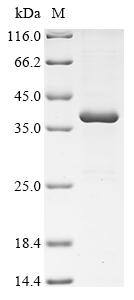
● CD200 Recombinant Proteins
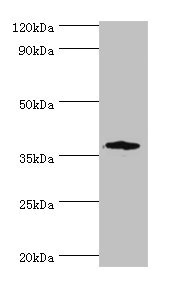
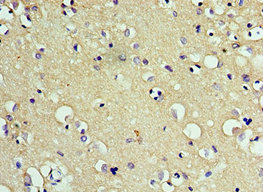
● CD200 Antibody
CD200R1 Antibody; CSB-PA851547ESR1HU
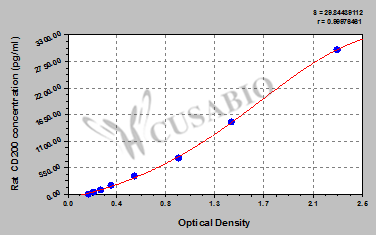
● CD200 ELISA Kit
References
[1] Nathalie Koning, Dick F. Swaab, Robert M. Hoek, Inge Huitinga.(2009). Distribution of the Immune Inhibitory Molecules CD200 and CD200R in the Normal Central Nervous System and Multiple Sclerosis Lesions Suggests Neuron-Glia and Glia-Glia Interactions.
[2] Ryan D Estep, Aparna N Govindan, Kristin Fitzpatrick, Tiffany C Blair, S A Rahim Rezaee, David J Blackbourn, Scott W Wong.(2021). Membrane-associated and secreted forms of the Rhesus macaque rhadinovirus-encoded CD200 homologue and cellular CD200 demonstrate differential effects on Rhesus Macaque CD200 Receptor signaling and regulation of myeloid cell activation.
[3] Myriam Pujol, Tautvydas Paskevicius, Alison Robinson, Simran Dhillon, Paul Eggleton, Alex S Ferecskó, Nick Gutowski, Janet Holley, Miranda Smallwood, Jia Newcombe, Luis B Agellon, Marek Michalak.(2024). Endothelial Cell-Derived Soluble CD200 Determines the Ability of Immune Cells to Cross the Blood-Brain Barrier.
[4] Fouad Choueiry, Molly Torok, Reena Shakya, Kriti Agrawal, Anna Deems, Brooke Benner, Alice Hinton, Jami Shaffer, Bradley W. Blaser, Anne M. Noonan, Terence M. Williams, Mary Dillhoff, Darwin L. Conwell, Phil A. Hart, Zobeida Cruz‐Monserrate, Xue‐Feng Bai, William E. Carson, Thomas A. Mace.(2020). CD200 promotes immunosuppression in the pancreatic tumor microenvironment.
[5] Jessica Wedig, Shrina Jasani, Debasmita Mukherjee, Hannah Lathrop, Priya Matreja, Timothy Pfau, Liliana D'Alesio, Abigail Guenther, Lexie Fenn, Morgan Kaiser, Molly Torok, Jake McGue, Gina M. Sizemore, Anne M. Noonan, Mary Dillhoff, Bradley W. Blaser, Timothy L. Frankel, Stacey Culp, Phil A. Hart, Zobeida Cruz‐Monserrate, Thomas A. Mace.(2024). CD200 is overexpressed in the pancreatic tumor microenvironment and predictive of overall survival.
[6] Shoichi Kinoshita, Taichi Terai, Minako Nagai, Kota Nakamura, Yuichiro Kohara, Satoshi Yasuda, Yasuko Matsuo, Shunsuke Doi, Takeshi Sakata, Kazuhiro Migita, Noriko Ouji-Sageshima, Toshihiro Ito, Masayuki Sho.(2024). Clinical significance and therapeutic implication of CD200 in pancreatic cancer.
[7] Djamila Chemlal, Camille Pochard, Valentin Jacquier, Angélique Bruyer, Ludovic Gabellier, Léa Fornero, Clément Vempère, Amélie Machura, Guilhem Requirand, Nicolas Robert, Caroline Bret, Guillaume Cartron, Laure Vincent, Hugues de Boussac, Jérôme Moreaux, Charles Herbaux.(2025). CD200 immune checkpoint expression is associated with inferior outcome in multiple myeloma patients treated with anti-CD38 monoclonal antibodies.
[8] Hana Lee, Jang-Mi Bae, Seung-Phil Shin, Woong Kim, Won-Jin Kim, Hyeon-Gu Kang, Da-Bin Choi, Yu-Seon Lee, Seok-Jun Kim.(2025). CD200 Promotes Gastric Cancer Progression and Metastasis by Inducing the β-catenin Signaling Pathway.
[9] Yuh-Seog Jung, Paola D Vermeer, Daniel W Vermeer, Sang-Jin Lee, Ah Ra Goh, Hyun-Joo Ahn, John H Lee.(2015). CD200: association with cancer stem cell features and response to chemoradiation in head and neck squamous cell carcinoma.
[10] Holly Linley, Shafqat Jaigirdar, Karishma Mohamed, Christopher E M Griffiths, Amy Saunders.(2022). Reduced cutaneous CD200:CD200R1 signaling in psoriasis enhances neutrophil recruitment to skin.
[11] Abdullah Al Mamun, Conelius Ngwa, Shaohua Qi, Pedram Honarpisheh, Saumil Datar, Romana Sharmeen, Yan Xu, Louise D McCullough, Fudong Liu.(2021). Neuronal CD200 Signaling Is Protective in the Acute Phase of Ischemic Stroke.
[12] Shoucai Zhao, Heng Xu, Wang Ya‐ping, Luan Di, Wu Wen‐qian, Ma Ling‐song, Zhao‐hu Chu, Yang Xu.(2020). CD200‐CD200R1 signaling pathway regulates neuroinflammation after stroke.
[13] Xiaoou Xu, Li Tan, Xiaojuan Zhang.(2025). Prenatal Exposure to Valproic Acid may Alter CD200/CD200R Signaling Pathways in a Rat Model of Autism Spectrum Disorder.
[14] Ismael Pretto Sauter, Katerine G. Madrid, Josiane Betim de Assis, Anderson Sá‐Nunes, Ana Claúdia Torrecilhas, Daniela I. Staquicini, Renata Pasqualini, Wadih Arap, Mauro Cortéz.(2019). TLR9/MyD88/TRIF signaling activates host immune inhibitory CD200 in Leishmania infection.




Comments
Leave a Comment