
Call us
301-363-4651 (Available 9 a.m. to 5 p.m. CST from Monday to Friday)

| Code | CSB-E07378r |
| Size | 96T,5×96T,10×96T |
| Price | Request a Quote |
| Promotion |

|
| Trial Size |
24T ELISA Kit Trial Size (Only USD$150/ kit) * Sample kit cost can be deducted as a $30 credit for each 96-assay kit of the same analyte and brand you subsequently purchase within six months until depleted. More details >> Interested in a trial size? Please leave a message below.
|
| Have Questions? | Leave a Message or Start an on-line Chat |
The Rat Thrombopoietin (TPO) ELISA kit is the ultimate solution for researchers studying cardiovascular diseases. The kit is designed to detect Thrombopoietin protein, an unusual hematopoietic growth factor in serum, plasma, and tissue homogenates of Rattus norvegicus (Rat) species.
With a detection range of 0.01 ng/ml - 10 ng/ml and a sensitivity of 0.01 ng/ml, this kit offers accurate and reliable results, ensuring precise quantification of Thrombopoietin levels in your samples. The assay time is quick, ranging from 1-5h, allowing you to obtain results quickly and efficiently.
The kit requires a small sample volume of 50-100ul and measures the sample using a sandwich assay principle, ensuring high specificity and sensitivity. The detection wavelength is set at 450 nm, ensuring optimal accuracy and reproducibility of results.
The Rat Thrombopoietin (TPO) ELISA kit is designed for researchers in the cardiovascular research area, allowing for the quantitative measurement of Thrombopoietin levels in rat samples. With its quick and reliable results, this kit is an essential tool for researchers studying Thrombopoietin's role in cardiovascular diseases.
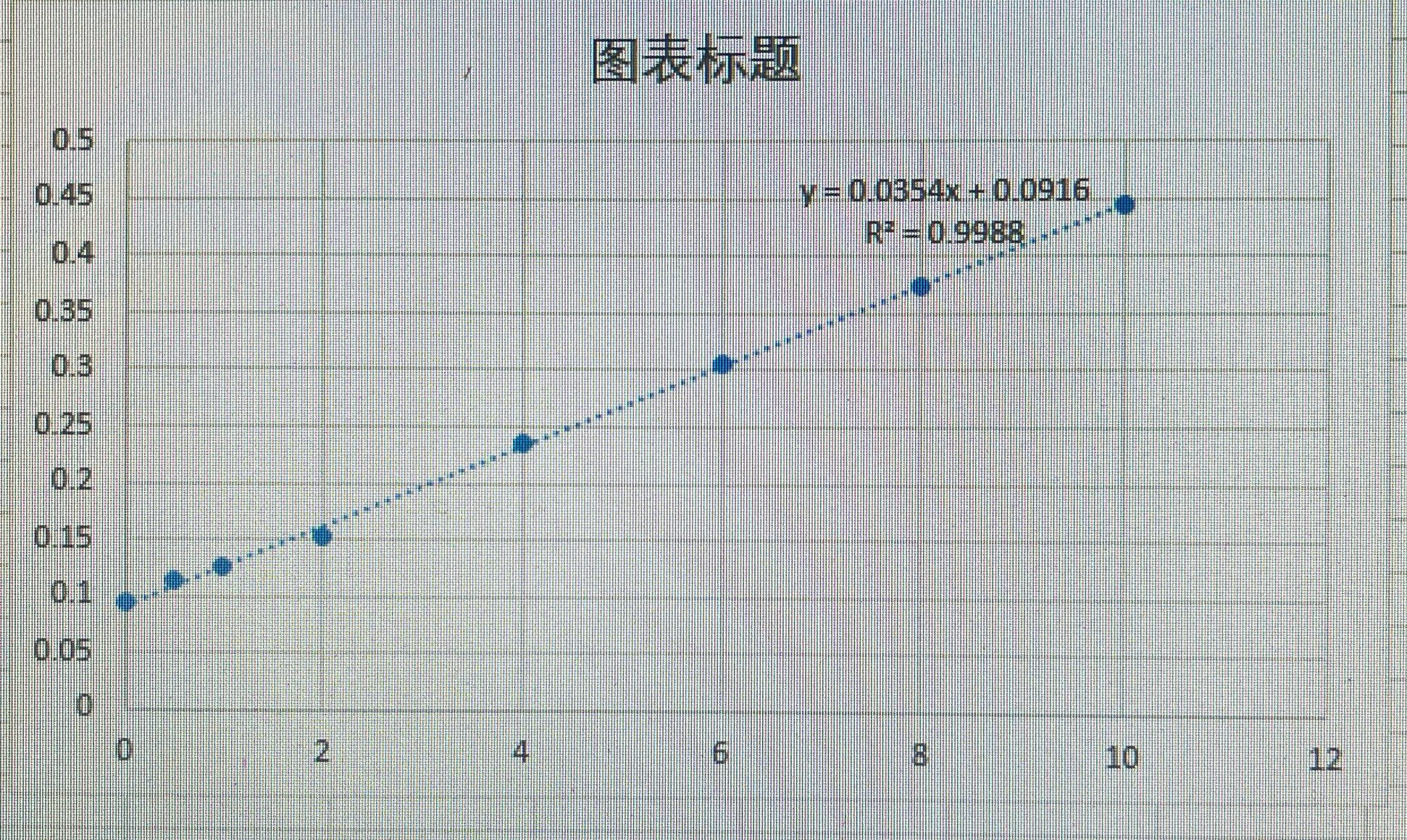
Sample type: Plasma (anticoagulant) Tissue homogenate Rat liver tissue
Sample species: Rat
Sample dilution: : 1:10
Review: I used the CSB-E04635r kit to test serum samples from patients with inflammation. The OD value range of the standard curve was between 0.05 (blank) and 2.8 (highest concentration point), with a good linear relationship (R²>0.99), indicating that the sensitivity and gradient design of the kit are reasonable. The OD values of the samples tested this time were approximately in the range of 1.2-1.5 (it is recommended to fill in specific values or ranges according to the actual situation). After conversion via the standard curve, the target concentration was within the quantifiable range, consistent with expectations.
By Anonymous





