
Call us
301-363-4651 (Available 9 a.m. to 5 p.m. CST from Monday to Friday)

Loading Control Antibodies are essential tools for normalizing sample loading in Western Blot, immunofluorescence (IF), immunohistochemistry (IHC), and other experiments. They are used to correct for variations in sample loading, assess transfer efficiency, and monitor experimental consistency. Selecting a stably expressed housekeeping protein that is unaffected by experimental treatments is the key to obtaining reliable quantitative results.
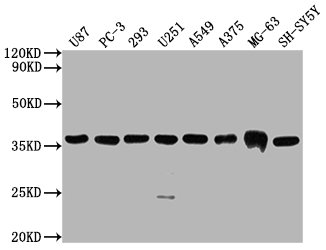
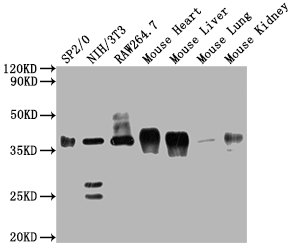
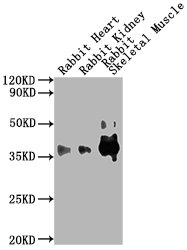
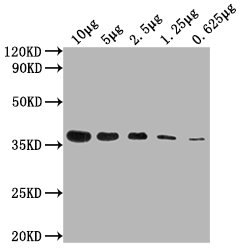
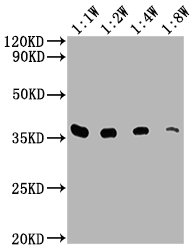
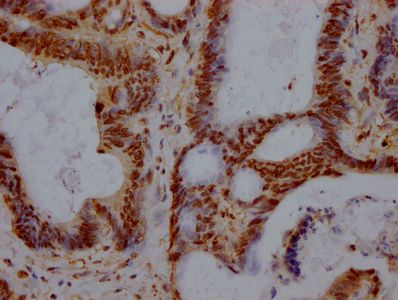
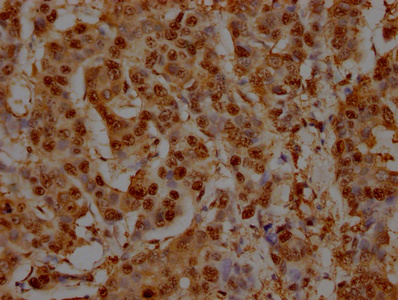
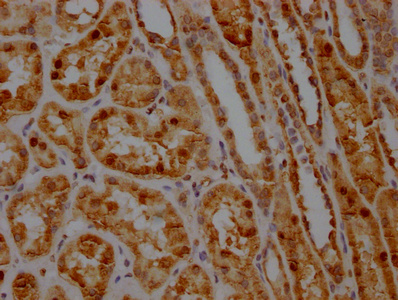
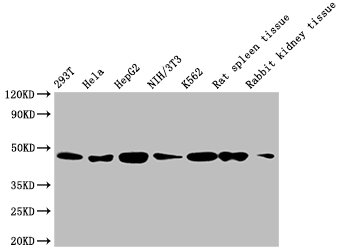
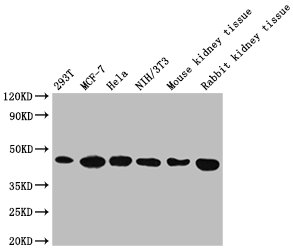
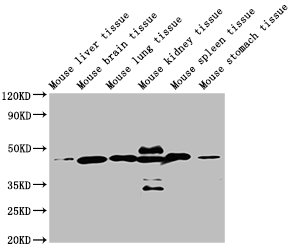
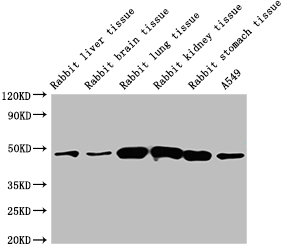
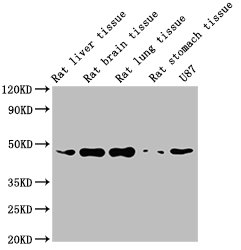
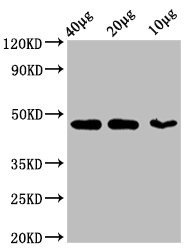
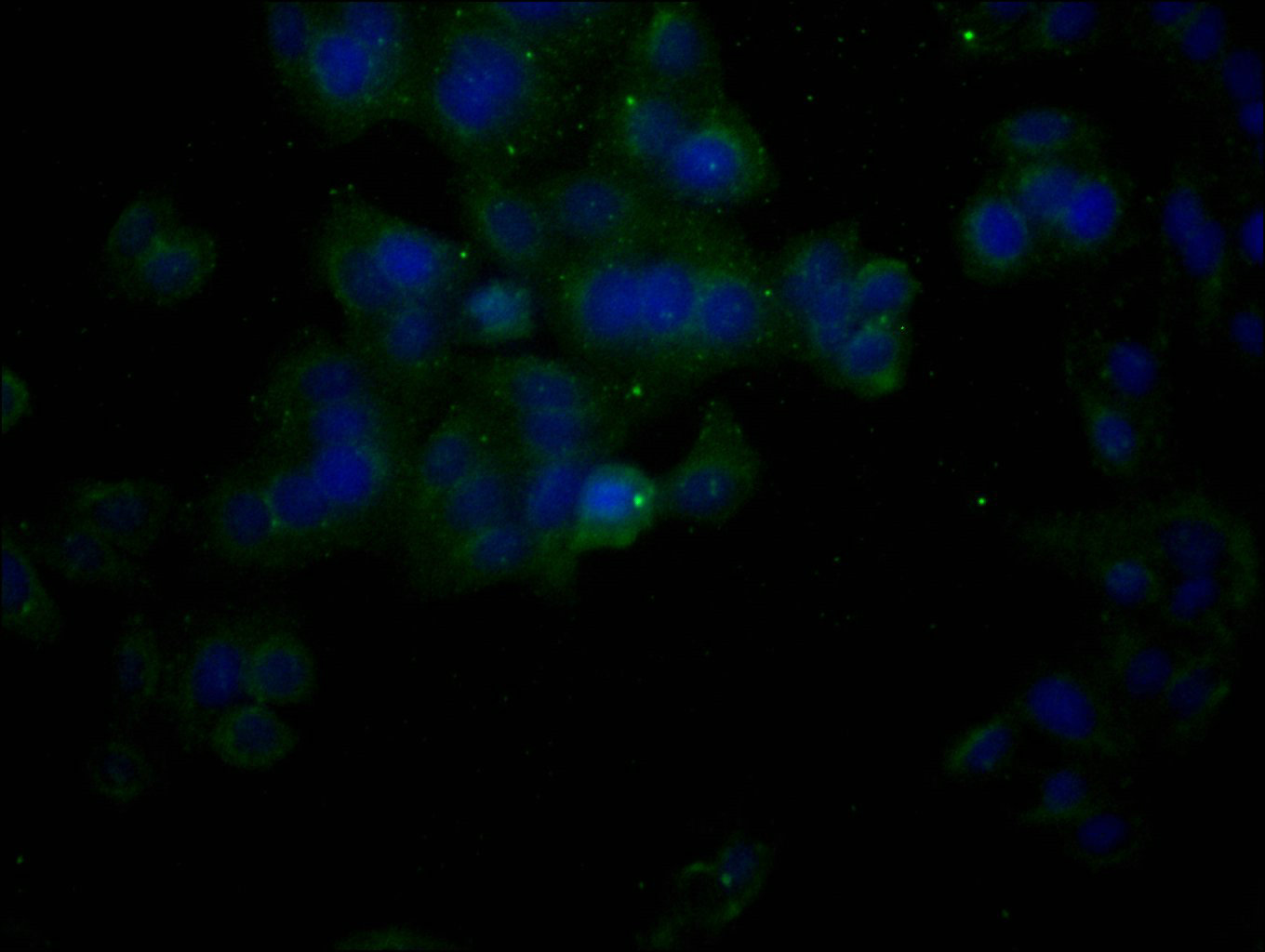
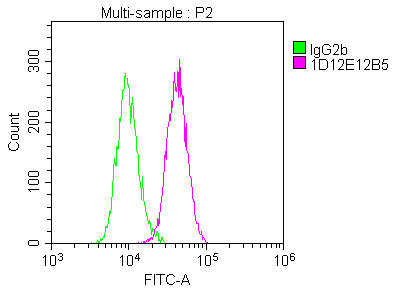
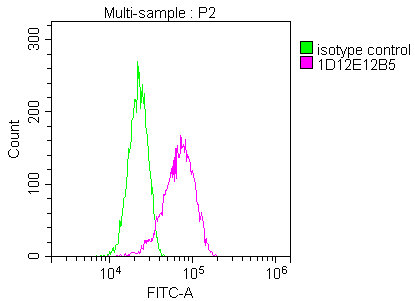
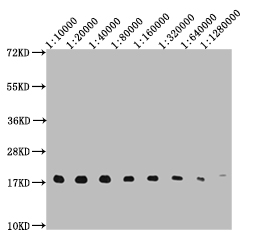
CUSABIO offers a comprehensive selection of classic housekeeping protein antibodies, including Beta-Actin, GAPDH, Tubulin, and nuclear loading controls such as Histone H3. All products are rigorously validated for Western Blot and other applications, with verified cross-reactivity across multiple species and clean, specific bands to ensure accurate and reproducible data for your protein quantification studies.
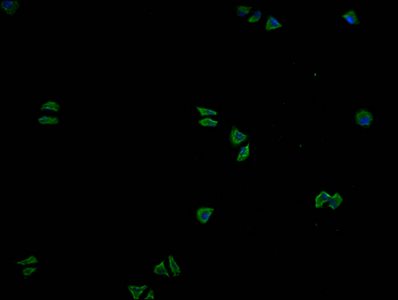
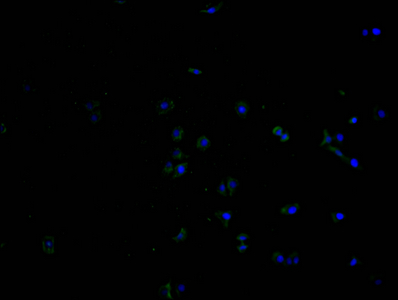
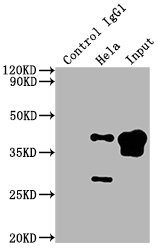
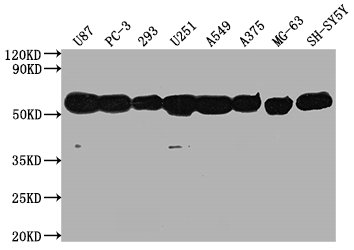
The following featured products are supported by real validation data, covering different subcellular localizations and a variety of application scenarios, helping you select the most suitable loading control antibody based on your sample type and experimental requirements.
Browse all loading control antibodies and compare host species, species reactivity, and validated applications to identify products suitable for your experimental system.
| Code | Product Name | Host | Species Reactivity | Tested Applications |
|---|---|---|---|---|
| CSB-MA000071M2m | GAPDH Monoclonal Antibody | Mouse | Human, Rat, Rabbit, Mouse | ELISA, WB, IHC, IP, IF |
| CSB-MA000071M1m | GAPDH Monoclonal Antibody | Mouse | Human, Mouse, Rabbit | ELISA, WB, IHC, IP, IF |
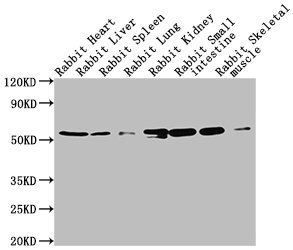
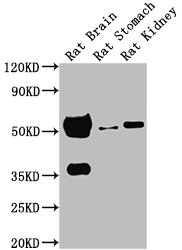
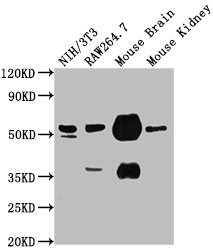
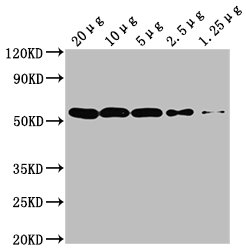
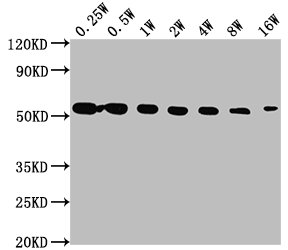
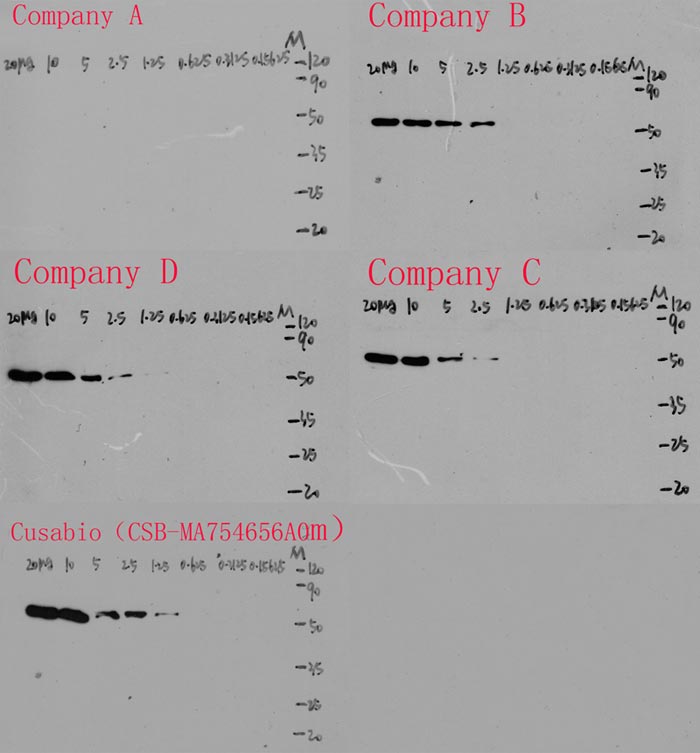
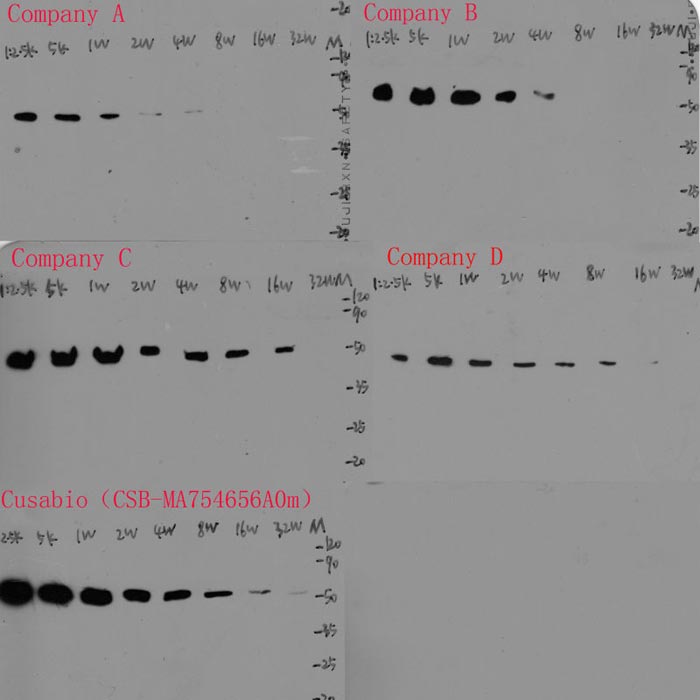
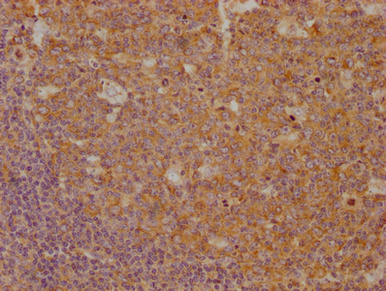
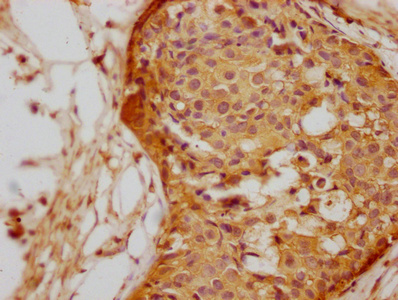
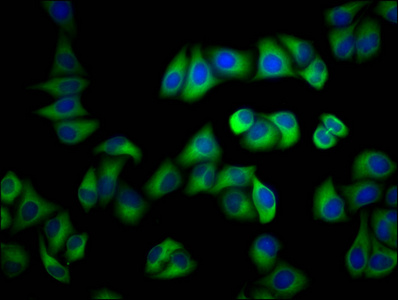
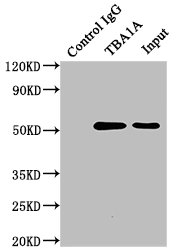
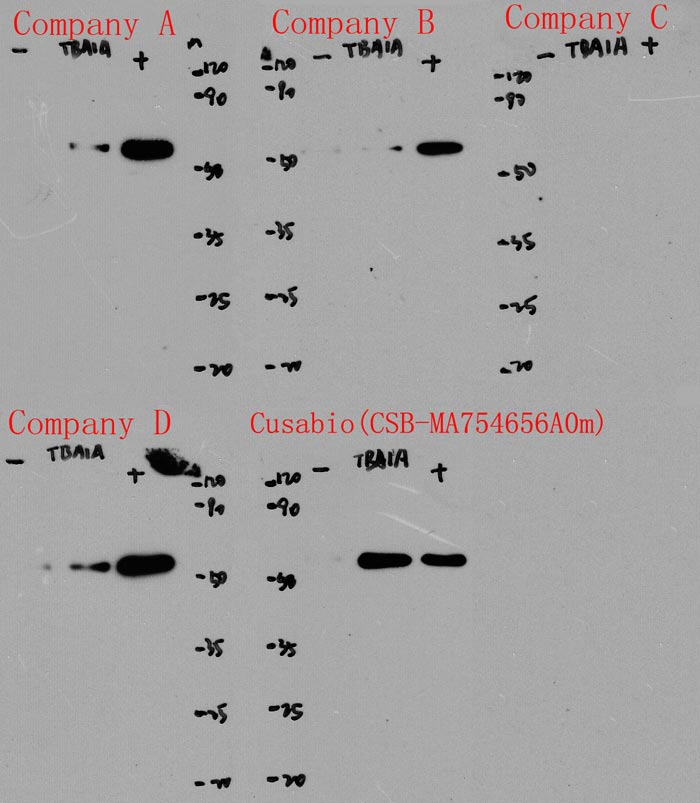
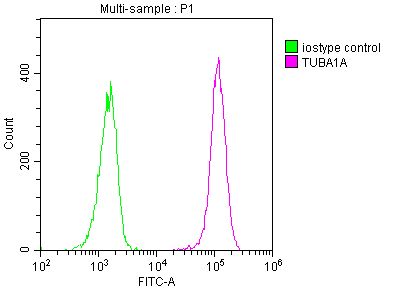
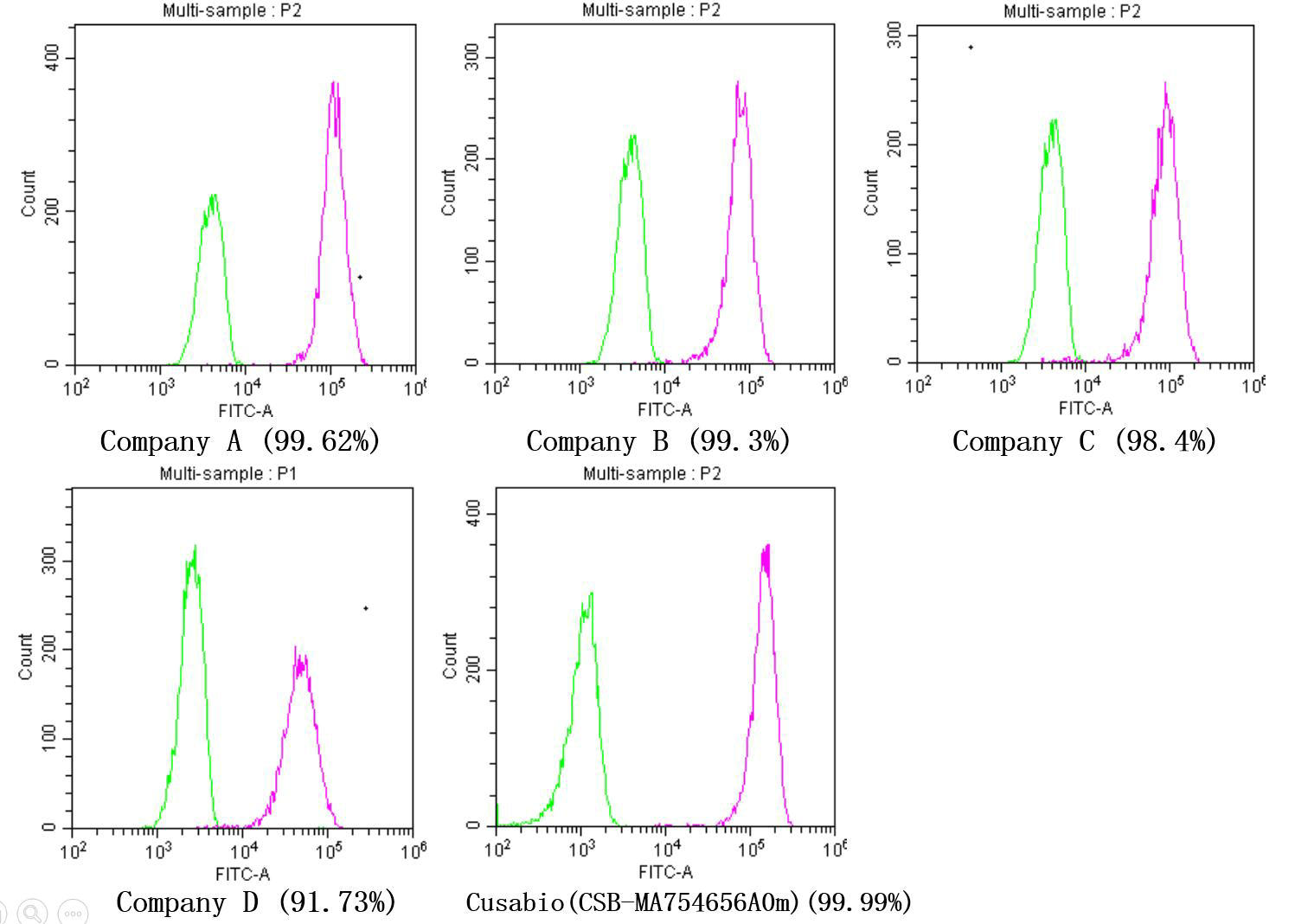
| CSB-MA754656A0m | TUBA1A Monoclonal Antibody | Mouse | Human, Rabbit, Rat, Mouse | ELISA, WB, IHC, IF, FC, IP |
| CSB-MA000071M0m | GAPDH Monoclonal Antibody | Mouse | Human, Rat, Rabbit | ELISA, WB, IHC, IP, IF, FC |
| CSB-MA000091M0m | Beta-Actin Monoclonal Antibody | mouse | Human | ELISA |
| CSB-MA000081M0m | PCNA Monoclonal Antibody | mouse | N/A | ELISA |
| CSB-MA080295 | TUBG1 Monoclonal Antibody | Mouse | Human, Rat, Mouse | ELISA, WB, IHC |
| CSB-MA000091M2m | ACTB Monoclonal Antibody | Mouse | Human, Mouse, Rat, Rabbit | ELISA, WB |
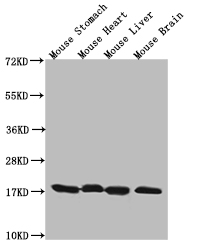
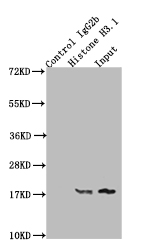
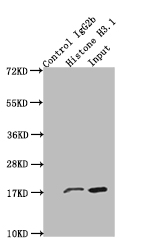
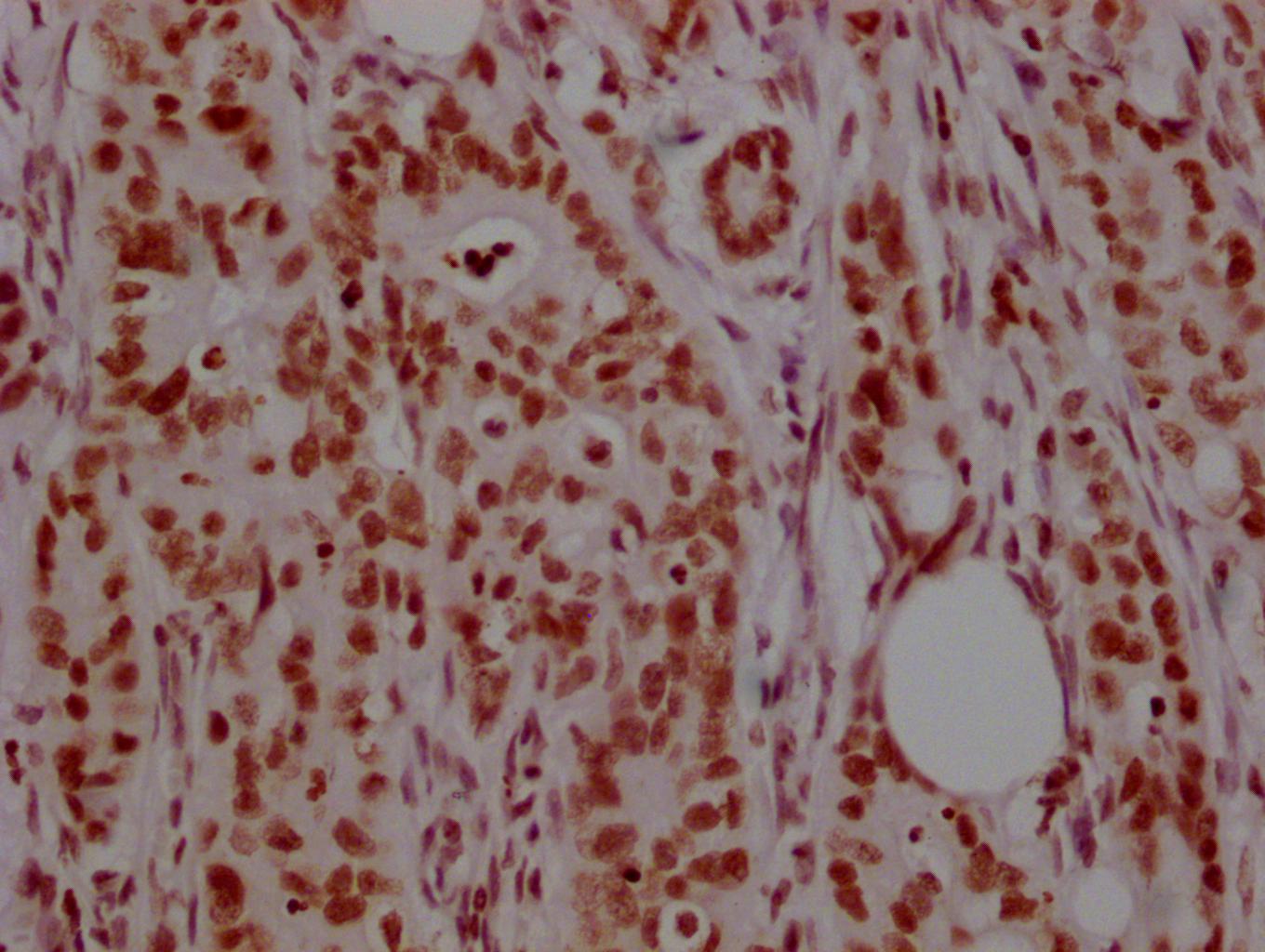
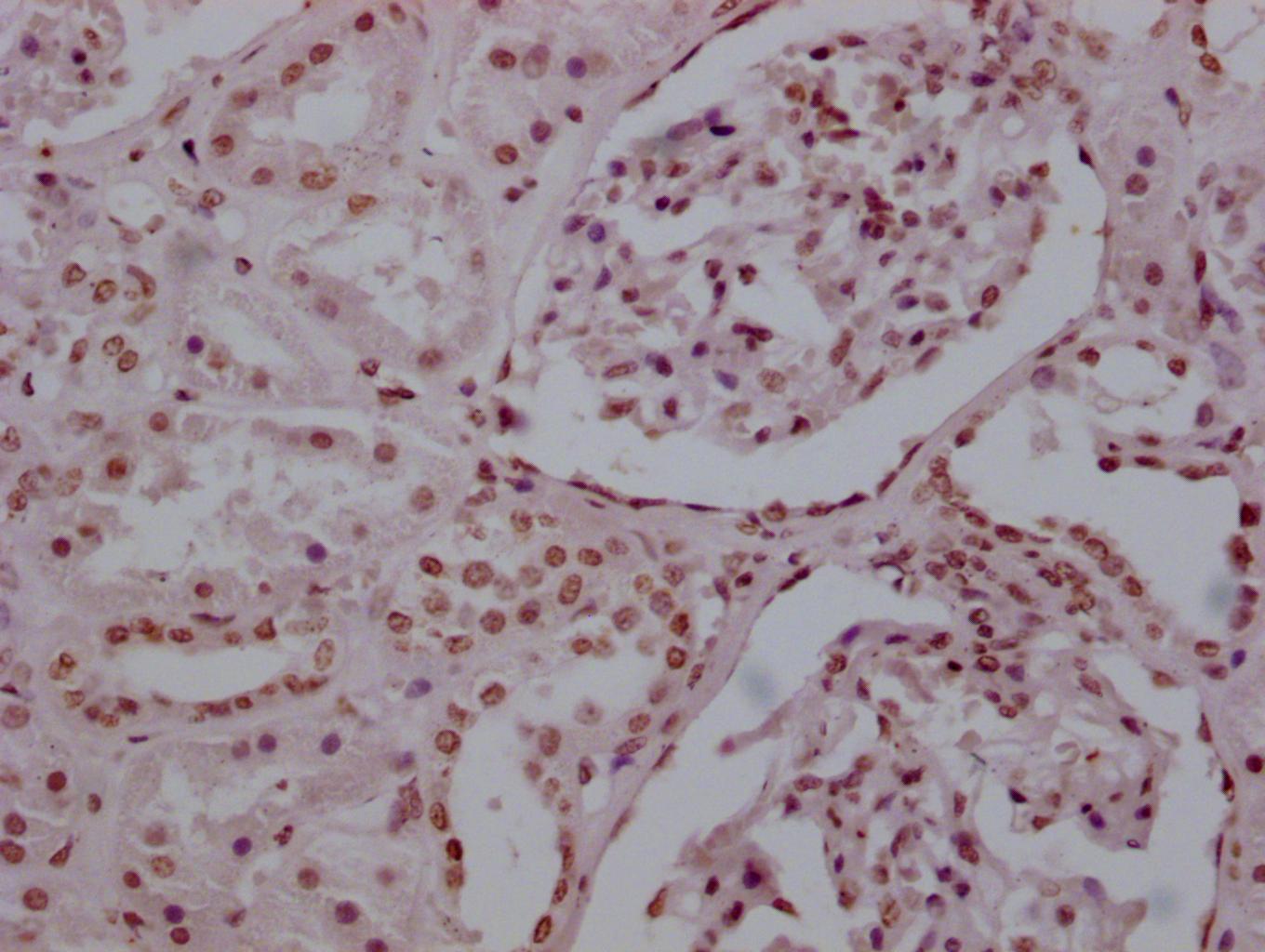
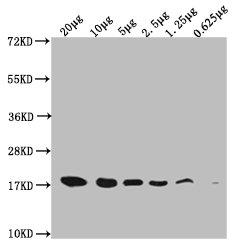
| CSB-MA010418A0m | HistoneH3 Monoclonal Antibody | Mouse | Human, Rat, Rabbit, Mouse | ELISA, WB, IHC, IP |
| CSB-MA000091M1m | ACTB Monoclonal Antibody | Mouse | Human, Mouse, Rat, Rabbit | ELISA, WB, IHC, IF, FC |
| CSB-MA025318A0m | TUBB Monoclonal Antibody | Mouse | Human, Rat, Rabbit, Mouse | ELISA, WB, IHC, IF, FC, IP |
Selecting the appropriate loading control antibody is critical for obtaining reliable Western Blot results. The following guide will help you choose the best loading control based on the characteristics of your target protein and experimental requirements.
| Subcellular Localization | Recommended Loading Control | Molecular Weight | Suitable Applications |
|---|---|---|---|
| Cytoplasmic | GAPDH | ~36 kDa | Whole-cell lysates, cytoplasmic proteins |
| β-Actin | ~42 kDa | Whole-cell lysates, cytoplasmic proteins | |
| α-Tubulin | ~55 kDa | Whole-cell lysates, cytoplasmic proteins | |
| Nuclear | Lamin B1 | ~66-72 kDa | Nuclear extracts, nuclear membrane research |
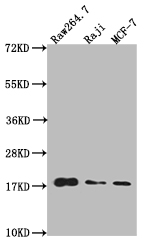
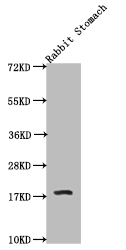
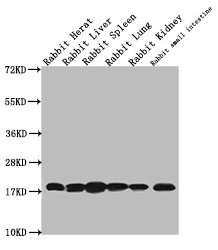
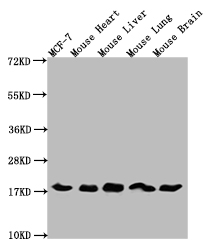
| Histone H3 | ~15-17 kDa | Chromatin-related proteins, ChIP assays | |
| Mitochondrial | COX IV | ~17 kDa | Mitochondrial proteins, oxidative stress research |
| VDAC1 | ~31-32 kDa | Outer mitochondrial membrane protein research | |
| Membrane | Na/K ATPase | ~100-110 kDa | Membrane proteins, ion channel research |
| Endoplasmic Reticulum | Calnexin | ~90 kDa | Secreted proteins, ER stress research |
To avoid band overlap between the loading control and the target protein on a Western Blot, it is recommended to choose a loading control with a molecular weight difference of at least 5-10 kDa from the target. For example, when detecting a 38 kDa protein, alternative loading controls such as β-Actin (42 kDa) or α-Tubulin (55 kDa) can be used instead of GAPDH (~36 kDa).
Certain experimental treatments may affect the expression levels of common loading controls. Special attention should be paid to the following conditions:
Avoid using GAPDH, as its expression is regulated by glucose metabolism.
Avoid using β-Actin or α-Tubulin.
PCNA expression varies with the cell cycle and is not suitable as a stable loading control.
Lamin B1 may be cleaved by caspases, and its suitability should be evaluated.
Review practical guidance for selecting loading controls and established protocols for Western Blot, immunofluorescence, and immunohistochemistry workflows.
These peer-reviewed studies cite specific CUSABIO loading control antibodies and illustrate their use in Western Blot and immunofluorescence workflows.
Review common questions about loading control selection, molecular weight, experimental treatments, antibody dilution, and troubleshooting.
Loading control antibodies detect stably expressed "housekeeping proteins" to serve as a loading control. In Western Blot, they correct for differences in sample loading, assess whether transfer efficiency is consistent, and help determine the overall stability of the experimental system. Without a loading control, it is impossible to determine whether changes in band intensity are due to real biological differences or experimental error.
Three key factors should be considered: ① Subcellular localization — the loading control and target protein should be in the same cellular compartment (e.g., use GAPDH/β-Actin for cytoplasmic proteins, and Lamin B1/Histone H3 for nuclear proteins); ② Molecular weight difference — the loading control and target protein should differ by at least 5-10 kDa to avoid band overlap; ③ Experimental treatment effects — ensure your treatment does not affect the expression of the loading control (e.g., avoid GAPDH in glucose metabolism studies).
Both are classic cytoplasmic loading controls. The choice depends on your experimental conditions: GAPDH (36 kDa) is suitable for most routine WB applications but is affected by glucose metabolism, hypoxia, and certain cancer states. β-Actin (42 kDa) is highly and stably expressed but can be affected by cytoskeleton-related treatments. If your target protein is close to 36 kDa, choose β-Actin; if close to 42 kDa, choose GAPDH or α-Tubulin (~55 kDa). Always check the literature to confirm whether your experimental treatment affects your chosen loading control.
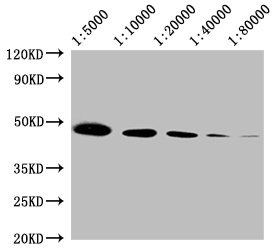
The recommended dilution ratios we provide are reference ranges based on validation experiments. In practice, optimization based on your own system is advised: if the band is too strong, increase the dilution (e.g., from 1:5,000 to 1:10,000); if too weak, decrease it. Also consider sample type (cell lysates typically require higher dilutions, tissue lysates may require lower dilutions) and detection system (chemiluminescence is generally more sensitive than colorimetric methods).
In some cases, using dual loading controls can increase data reliability, for example: ① when sample types are diverse (both cells and tissues), as different loading controls may vary in stability across samples; ② when the target protein's molecular weight is close to a common loading control and an alternative is needed; ③ when reviewers for high-impact journals may request multiple loading controls to verify consistency. However, for routine experiments, a single, well-validated loading control appropriate for your conditions is sufficient.
Uneven loading control bands usually indicate differences in sample loading or transfer efficiency. Possible causes include: ① inaccurate protein quantification or uneven sample dilution; ② inconsistent pipetting during loading; ③ sample leakage or edge effects during gel electrophoresis; ④ air bubbles or loose transfer sandwich during blotting; ⑤ incomplete protein transfer to the membrane. It is recommended to re-quantify samples, check loading technique, ensure consistent transfer conditions, and consider using total protein staining (e.g., Coomassie blue or Ponceau S) as an additional loading control.