
Call us
301-363-4651 (Available 9 a.m. to 5 p.m. CST from Monday to Friday)

| Code | CSB-RA002005MA1HU |
| Size | $49.9 |
| Order now | |
| Promotion |

|
| Image |
|
| Have Questions? | Leave a Message or Start an on-line Chat |
| Application | Recommended Dilution |
|---|---|
| IHC | 1:50-1:200 |
Arginase-1 (ARG1) is a manganese-containing enzyme that catalyzes the hydrolysis of arginine to ornithine and urea, playing a central role in the hepatic urea cycle and nitrogen metabolism. Beyond its metabolic functions, ARG1 has emerged as a significant marker in immunology research, particularly in studies of myeloid-derived suppressor cells and tumor microenvironment immunosuppression. The enzyme's expression patterns also make it valuable for distinguishing hepatocellular carcinoma from other liver malignancies in diagnostic pathology workflows.
This recombinant monoclonal antibody, clone 6F1, offers the reproducibility and consistency that demanding research applications require. Generated using recombinant technology with a defined sequence, this antibody eliminates the lot-to-lot variability inherent in traditional hybridoma production, ensuring your experimental conditions remain stable across long-term studies and multi-site collaborations. The human IgG1 isotype format and affinity-chromatography purification deliver a reagent optimized for specific target recognition with minimal background.
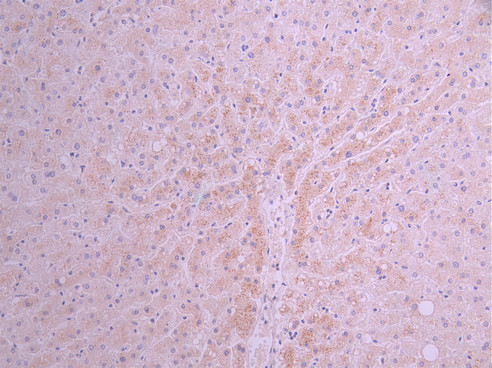
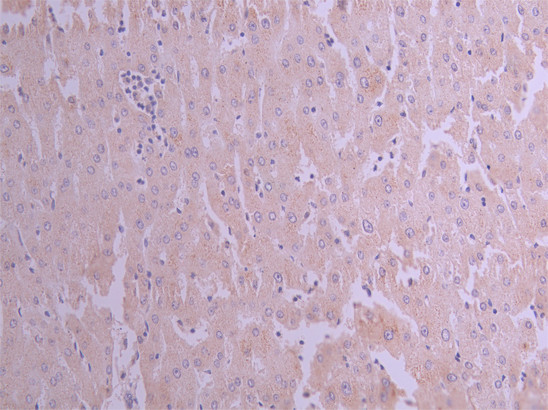
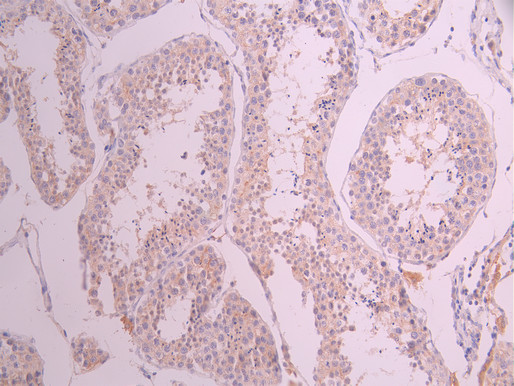
Validation studies demonstrate reliable performance in immunohistochemistry applications across multiple human tissue types. Testing in paraffin-embedded human liver tissue confirms expected strong cytoplasmic staining consistent with ARG1's known hepatic expression. Additional validation in human liver cancer tissue provides researchers investigating hepatocellular carcinoma with confidence in tumor tissue applications, while testing in human testis tissue demonstrates utility across diverse sample types. A working dilution range of 1:50 to 1:200 for IHC offers flexibility to optimize staining intensity for your specific experimental conditions.
This antibody supports researchers investigating signal transduction pathways, metabolic regulation, and immune cell function, providing a dependable tool for advancing understanding of ARG1 biology in both normal physiology and disease states.
There are currently no reviews for this product.





