
Call us
301-363-4651 (Available 9 a.m. to 5 p.m. CST from Monday to Friday)

| Code | CSB-RA004996A0HU |
| Size | US$210 |
| Order now | |
| Image |
|
| Have Questions? | Leave a Message or Start an on-line Chat |
| Application | Recommended Dilution |
|---|---|
| WB | 1:500-1:2000 |
| IHC | 1:50-1:200 |
| IF | 1:50-1:200 |
CDC25C, also known as M-phase inducer phosphatase 3, serves as a critical regulator of cell cycle progression by dephosphorylating and activating cyclin-dependent kinase 1, thereby triggering entry into mitosis. This dual specificity phosphatase has become an important focus in cell biology research, particularly in studies examining cell cycle checkpoints, DNA damage responses, and the mechanisms underlying uncontrolled proliferation in cancer.
This recombinant monoclonal antibody, generated from clone 3E6 in rabbit host, offers the reproducibility and consistency that demanding experimental workflows require. Because recombinant antibodies are produced from defined sequences rather than traditional hybridoma methods, researchers can expect reliable performance across experiments and between lots, eliminating a common source of variability in long-term studies.
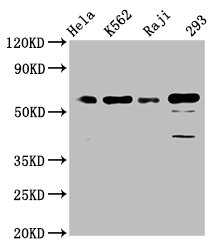
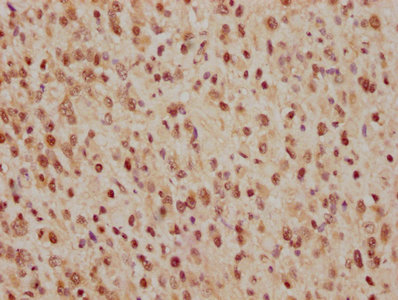
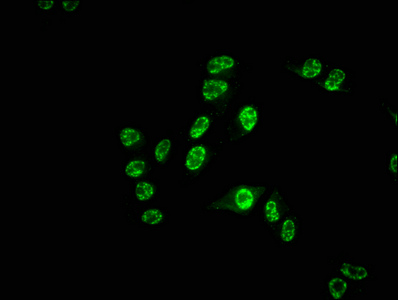
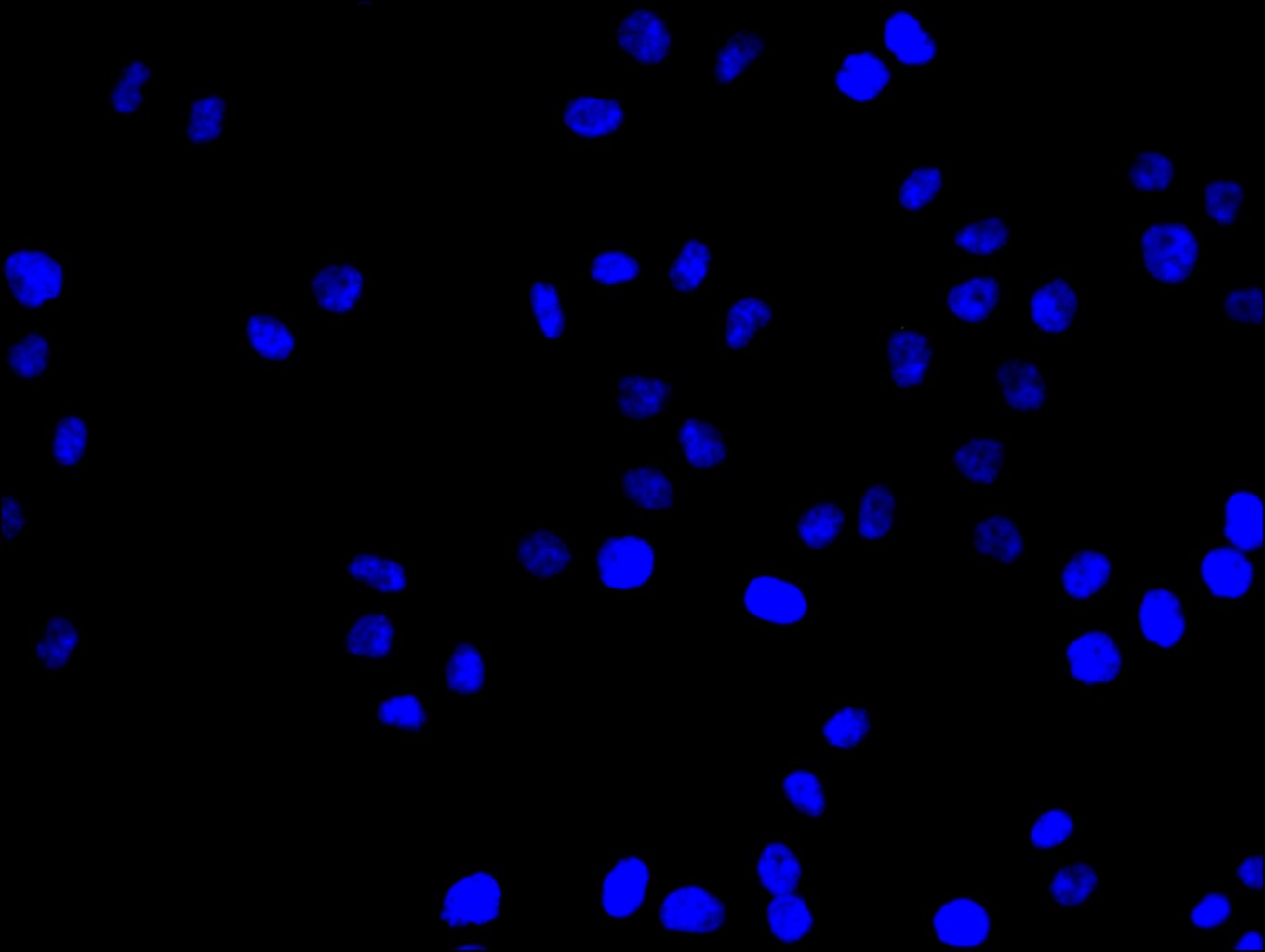
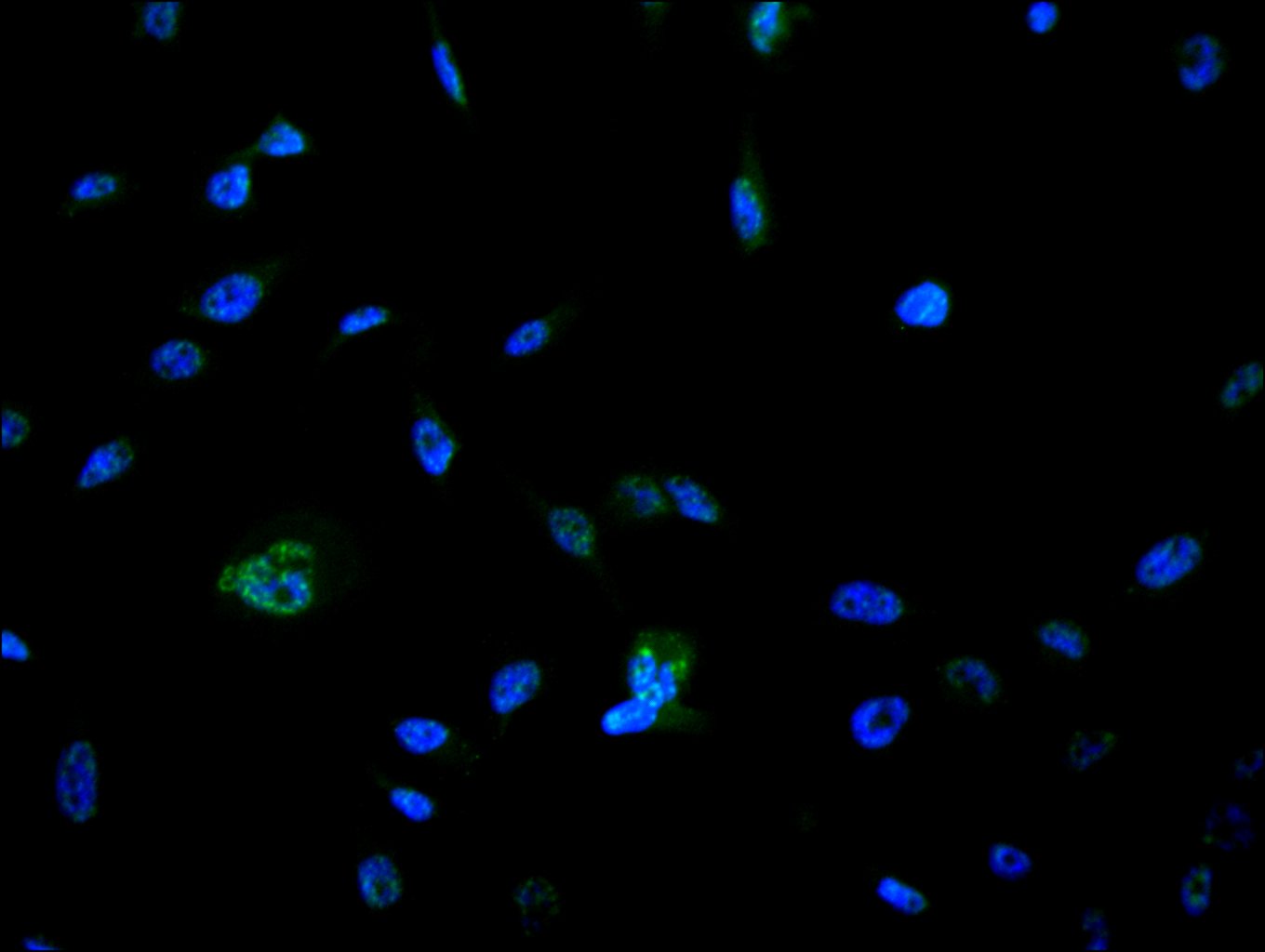
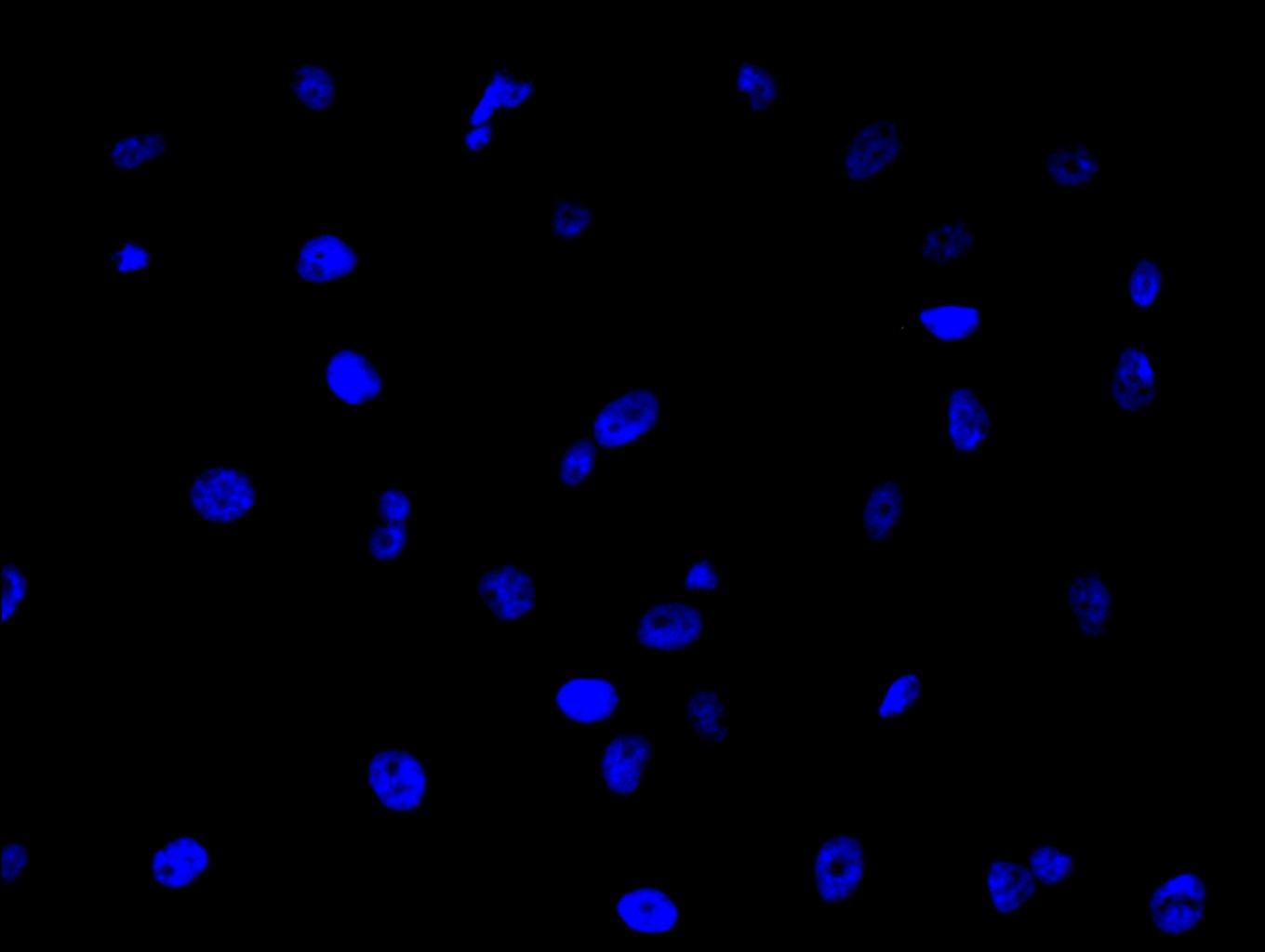
Validation testing demonstrates this antibody's versatility across multiple applications. Western blot analysis in K562 whole cell lysate reveals a band at approximately 60 kDa, slightly higher than the predicted 54 kDa molecular weight. This size difference likely reflects post-translational modifications such as phosphorylation, which is particularly relevant given CDC25C's role as a phosphatase that is itself heavily regulated by phosphorylation during cell cycle progression. Immunohistochemistry staining has been validated in paraffin-embedded human testis tissue using citrate buffer antigen retrieval, while immunofluorescence studies confirm detection in both HeLa and U251 cell lines, demonstrating utility across different cellular contexts including cervical carcinoma and glioblastoma models.
With validated performance in Western blot, immunohistochemistry, immunofluorescence, immunoprecipitation, and ELISA, this antibody provides flexibility for researchers investigating cell cycle regulation, checkpoint signaling, and related areas of cell biology.
There are currently no reviews for this product.





