
Call us
301-363-4651 (Available 9 a.m. to 5 p.m. CST from Monday to Friday)

| Code | CSB-RA555745A0HU |
| Size | US$210 |
| Order now | |
| Image |
|
| Have Questions? | Leave a Message or Start an on-line Chat |
| Application | Recommended Dilution |
|---|---|
| WB | 1:500-1:5000 |
| IHC | 1:50-1:100 |
| IF | 1:10-1:100 |
| IP | 1:1000-1:2000 |
CDK6 serves as a critical regulator of the G1-to-S phase transition in the cell cycle, forming active complexes with D-type cyclins to phosphorylate the retinoblastoma protein and drive cell proliferation. Dysregulation of CDK6 is implicated in numerous malignancies, making it a key target for researchers investigating cell cycle control, cancer biology, and therapeutic intervention strategies.
This recombinant monoclonal antibody, clone 8G3, offers the reproducibility and consistency that demanding experimental workflows require. Because it is derived from a defined sequence and produced recombinantly, you can expect uniform performance across lots, eliminating the variability that can complicate long-term studies or multi-site collaborations. The antibody is raised in rabbit against a synthetic peptide derived from human CDK6 and is validated for human samples.
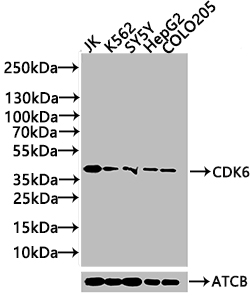
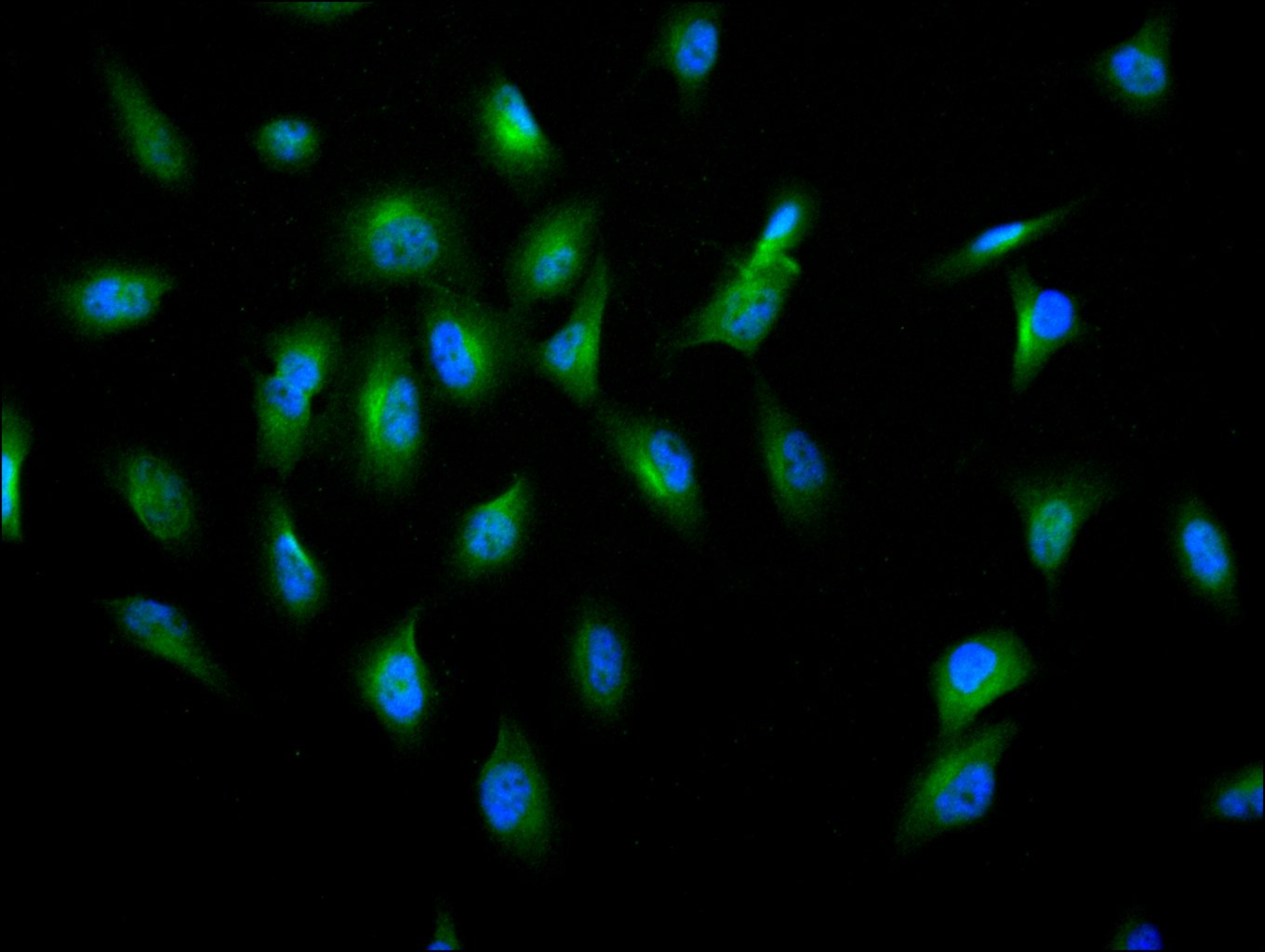
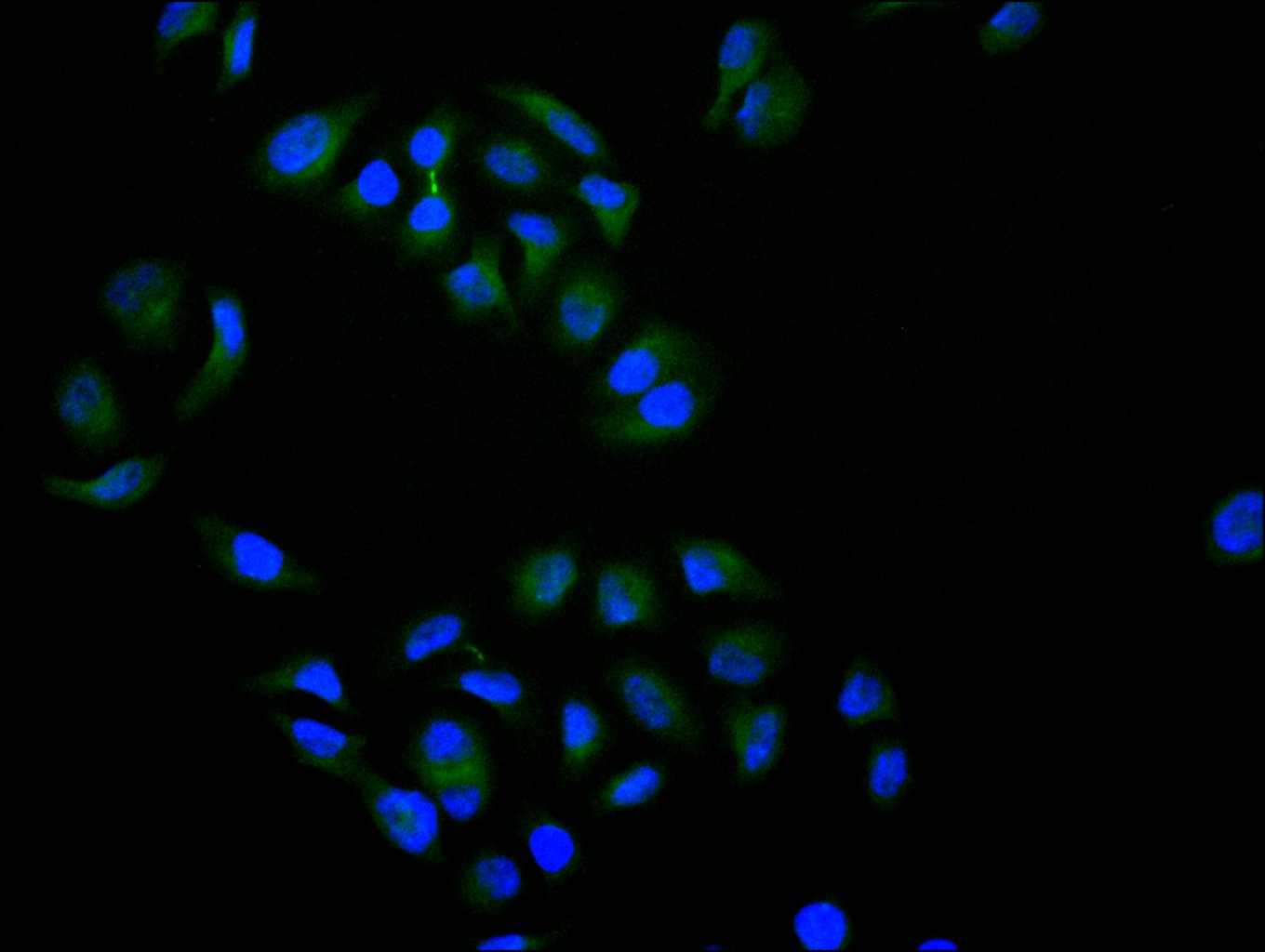
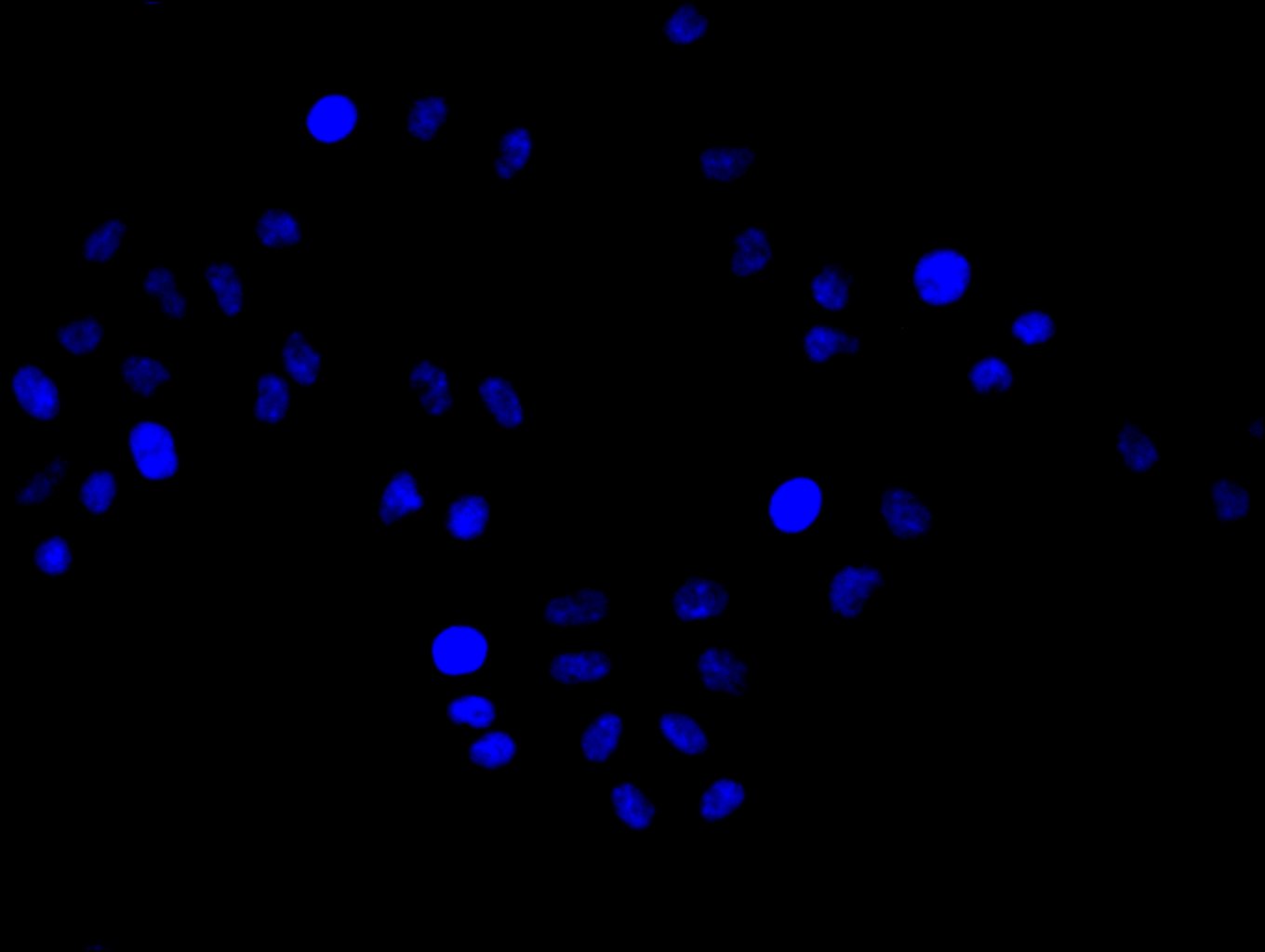
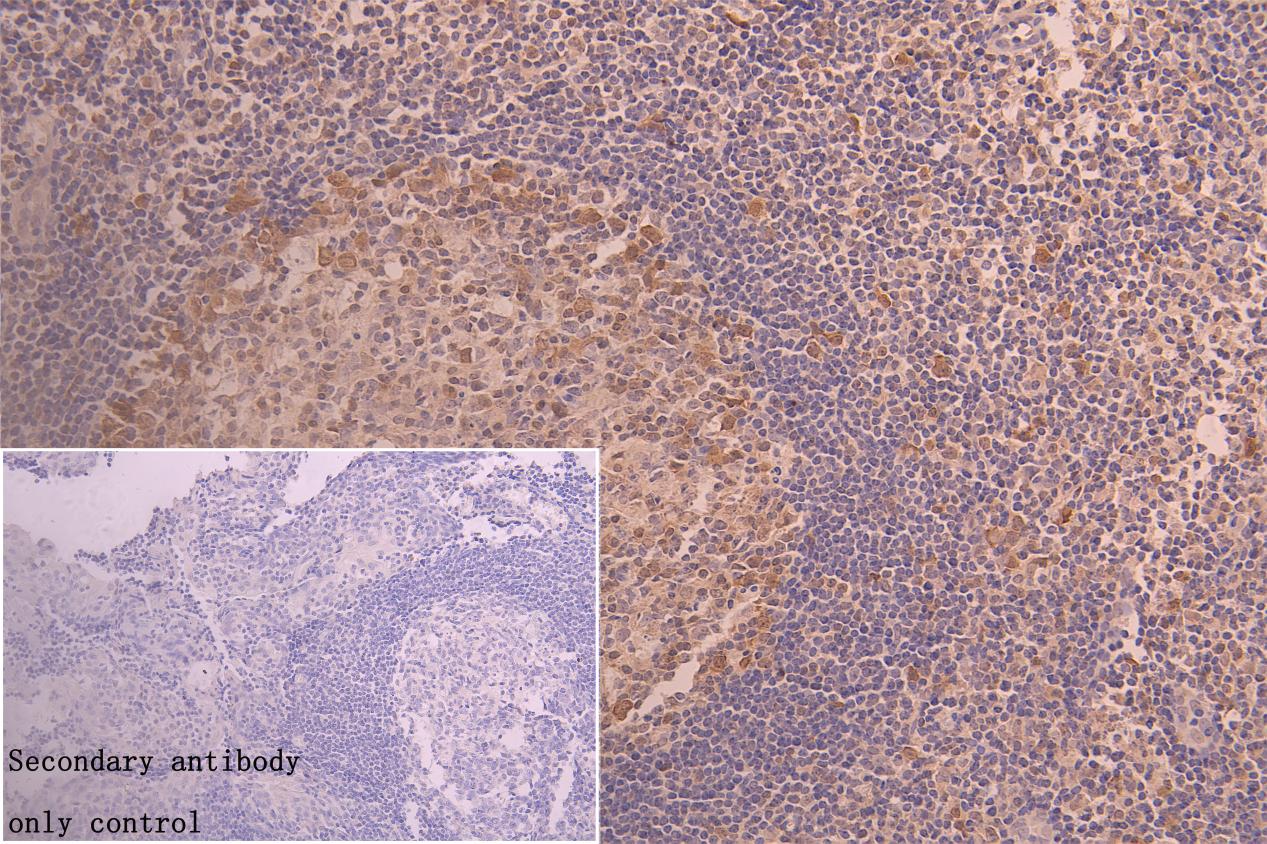
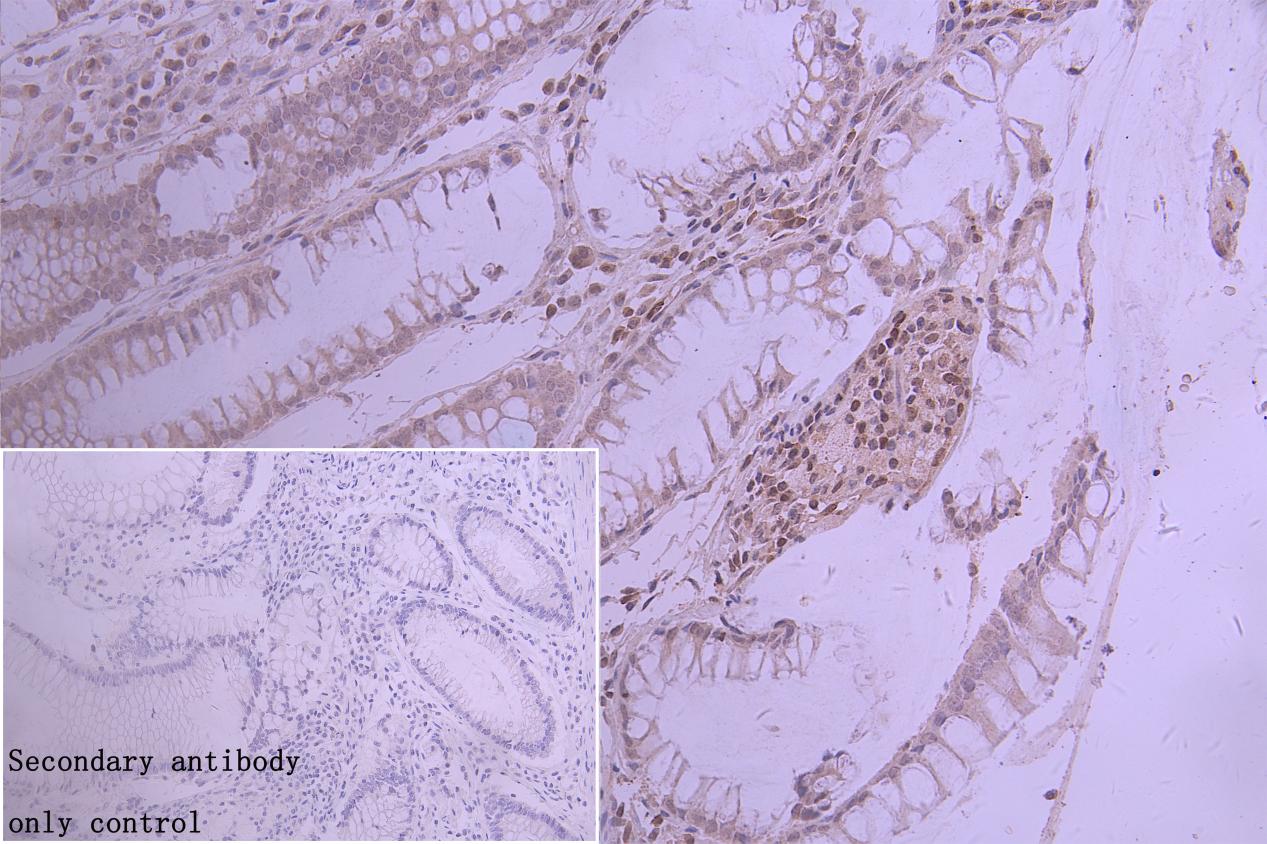
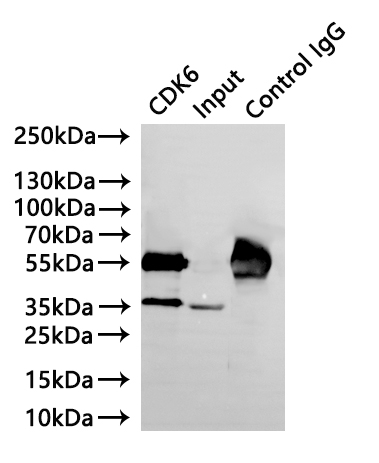
Extensive validation demonstrates this antibody's versatility across multiple techniques. Western blot analysis detects a clean band at the predicted 37 kDa molecular weight across diverse human cell lines including JK, K562, SY5Y, HepG2, and COLO205, confirming reliable target recognition. Immunofluorescence staining has been successfully performed in U251 and HeLa cells, enabling subcellular localization studies. For tissue-based research, immunohistochemistry validation in human tonsil and colorectal cancer specimens demonstrates suitability for both normal and pathological tissue analysis. Immunoprecipitation capability has been confirmed in K562 cells, supporting protein interaction and complex isolation studies.
Whether you are exploring CDK6's role in epigenetic signaling, investigating its contribution to tumor progression, or characterizing cell cycle dynamics, this antibody provides the experimental flexibility and dependable performance needed to advance your research.
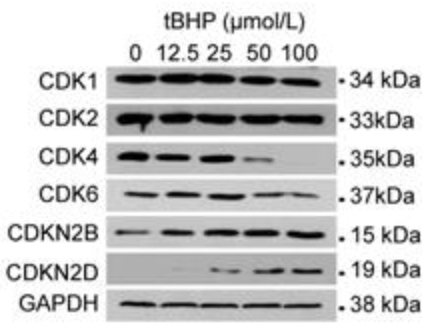
Applications : Western blot
Sample type: Human Cells
Review: A representative blot of CDK1, CDK2, CDK4, CDK6, CDKN2B, and CDKN2D in HepG2 cells. Protein levels of CDK4 and 6 were decreased by tBHP whereas CDKN2B and CDKN2D were increased by tBHP in a dose-dependent manner.
By Anonymous





