
Call us
301-363-4651 (Available 9 a.m. to 5 p.m. CST from Monday to Friday)

| Code | CSB-RA215300A0HU |
| Size | US$210 |
| Order now | |
| Image |
|
| Have Questions? | Leave a Message or Start an on-line Chat |
| Application | Recommended Dilution |
|---|---|
| IHC | 1:50-1:200 |
| IF | 1:50-1:200 |
| FC | 1:50-1:200 |
Extracellular matrix protein 1 (ECM1) plays a multifaceted role in tissue architecture and cellular signaling, functioning as a key regulator of basement membrane integrity, angiogenesis, and bone development. This secreted glycoprotein has garnered significant research attention due to its involvement in diverse pathological processes, including tumor progression and metastasis, where it influences epithelial-mesenchymal transition and cancer cell invasiveness. Mutations in ECM1 are also linked to lipoid proteinosis, a rare genodermatosis, making it a valuable target for both oncology and dermatological research.
This recombinant monoclonal antibody, generated against a synthetic peptide derived from human ECM1, offers the reproducibility and consistency that demanding experimental workflows require. As a sequence-defined reagent produced through recombinant technology, it eliminates the lot-to-lot variability often encountered with traditional hybridoma-derived antibodies, ensuring reliable results across extended studies and multi-site collaborations.
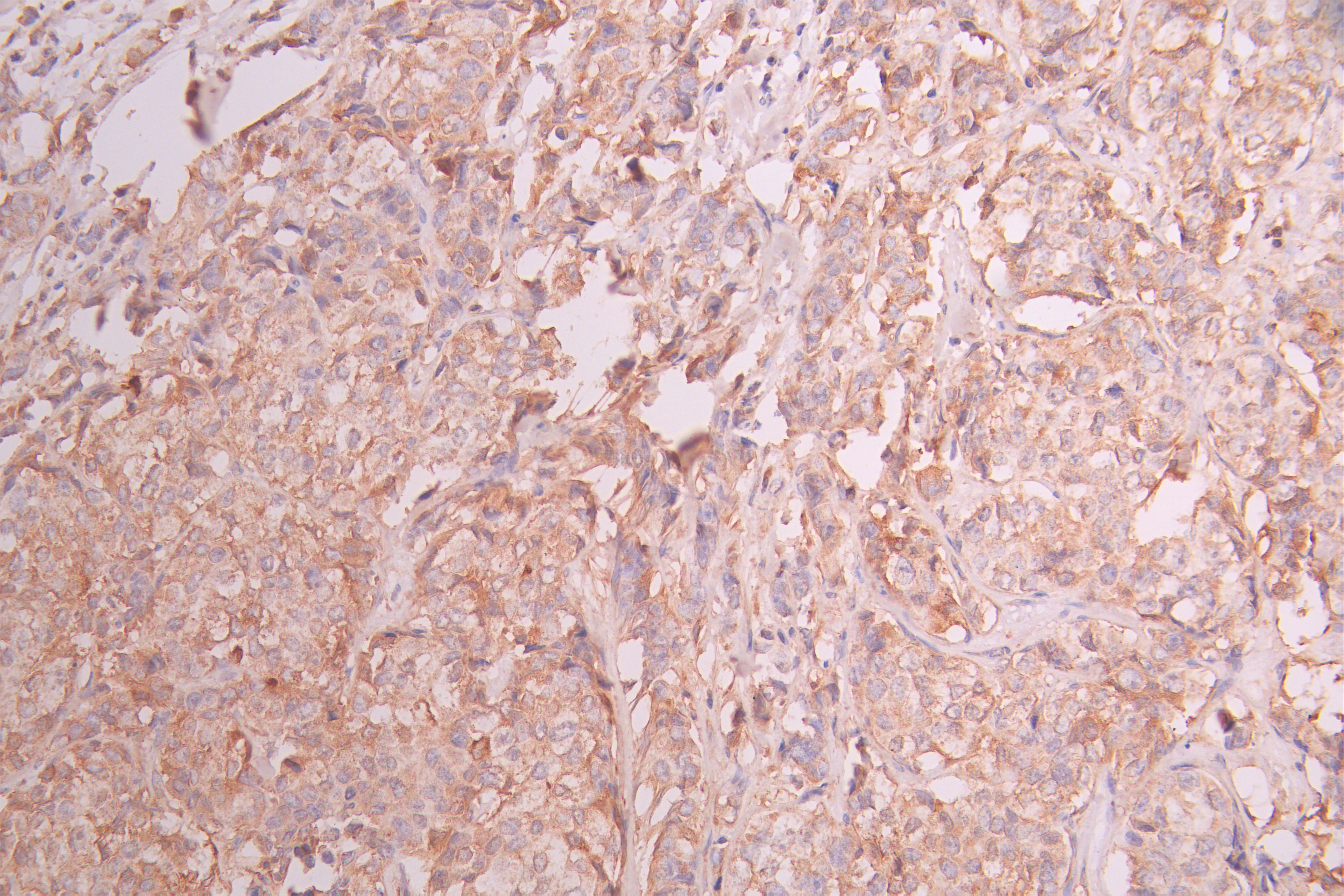
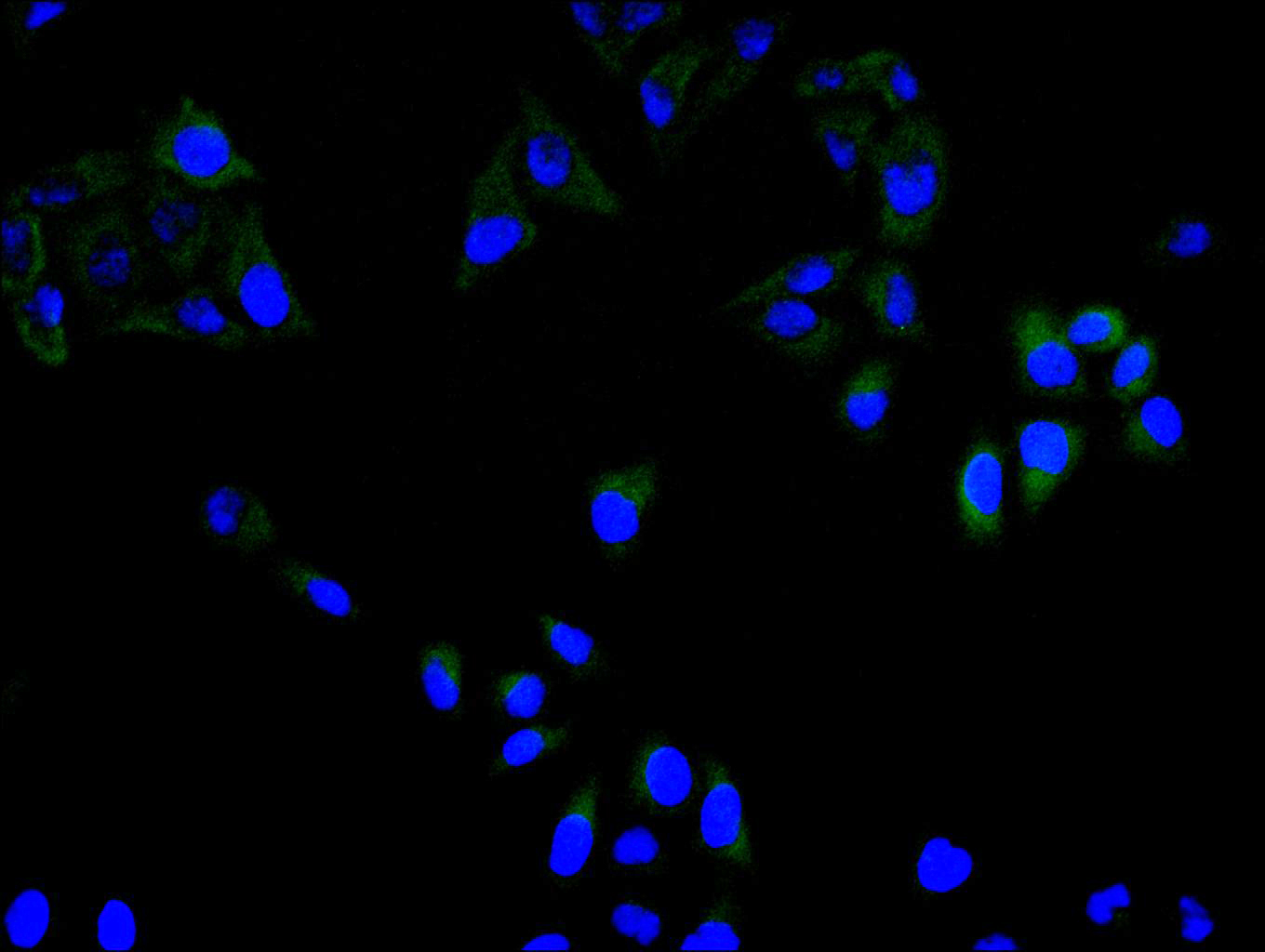
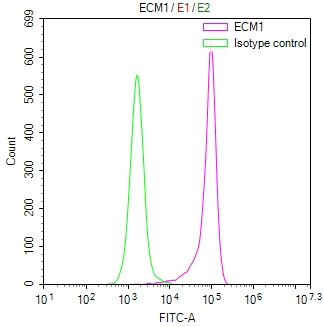
Validation across multiple detection platforms demonstrates this antibody's versatility in your research toolkit. Immunohistochemistry studies in paraffin-embedded human breast cancer tissue reveal clear target detection using citrate buffer antigen retrieval, while immunofluorescence analysis in HeLa cells confirms robust intracellular staining with distinct signal resolution. Flow cytometry validation using A375 melanoma cells shows a well-defined positive population shift compared to isotype controls, confirming specificity in single-cell analysis applications.
Whether investigating ECM1's contribution to tumor microenvironment remodeling, exploring its role in extracellular matrix organization, or examining its expression patterns across tissue types, this antibody provides a dependable tool for advancing your understanding of this biologically significant target.
There are currently no reviews for this product.





