
Call us
301-363-4651 (Available 9 a.m. to 5 p.m. CST from Monday to Friday)

| Code | CSB-RA935455A0HU |
| Size | US$210 |
| Order now | |
| Image |
|
| Have Questions? | Leave a Message or Start an on-line Chat |
| Application | Recommended Dilution |
|---|---|
| IHC | 1:50-1:200 |
| IF | 1:50-1:200 |
| FC | 1:50-1:200 |
FKBP5, also known as FK506-binding protein 5 or FKBP51, serves as a critical immunophilin that modulates steroid hormone receptor signaling through its interaction with HSP90 chaperone complexes. This protein plays a significant role in regulating glucocorticoid receptor sensitivity and has emerged as an important target in stress-related psychiatric disorders, metabolic research, and cancer biology. Its function as a peptidyl-prolyl cis-trans isomerase and its androgen-regulated expression pattern make FKBP5 particularly relevant for studies investigating hormone signaling pathways and cellular stress responses.
This recombinant monoclonal antibody, clone 4D5, offers researchers the consistency and reliability that comes with sequence-defined production. Unlike traditional hybridoma-derived antibodies, recombinant technology ensures lot-to-lot reproducibility, allowing you to maintain experimental continuity across long-term studies without concerns about antibody drift or batch variation.
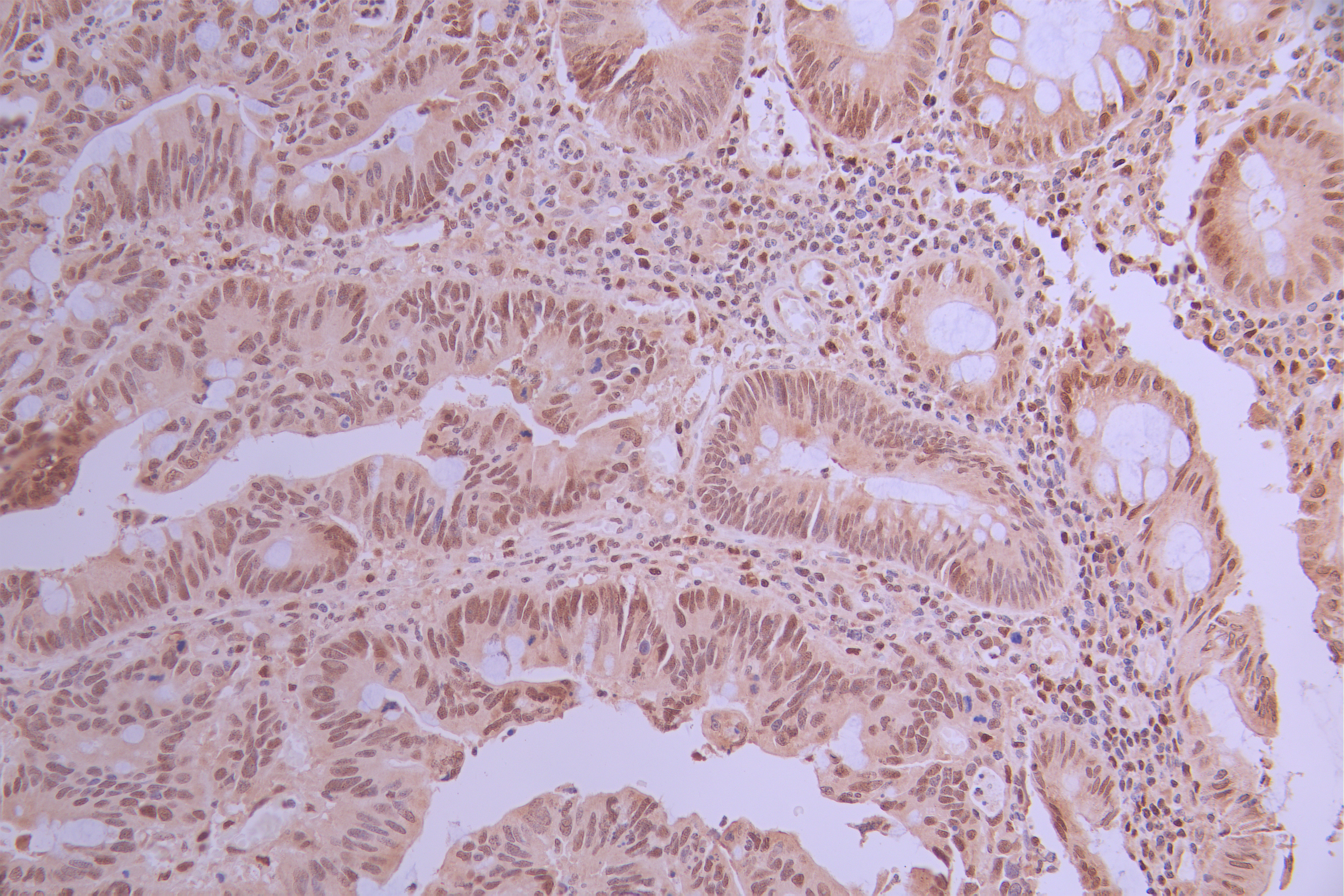
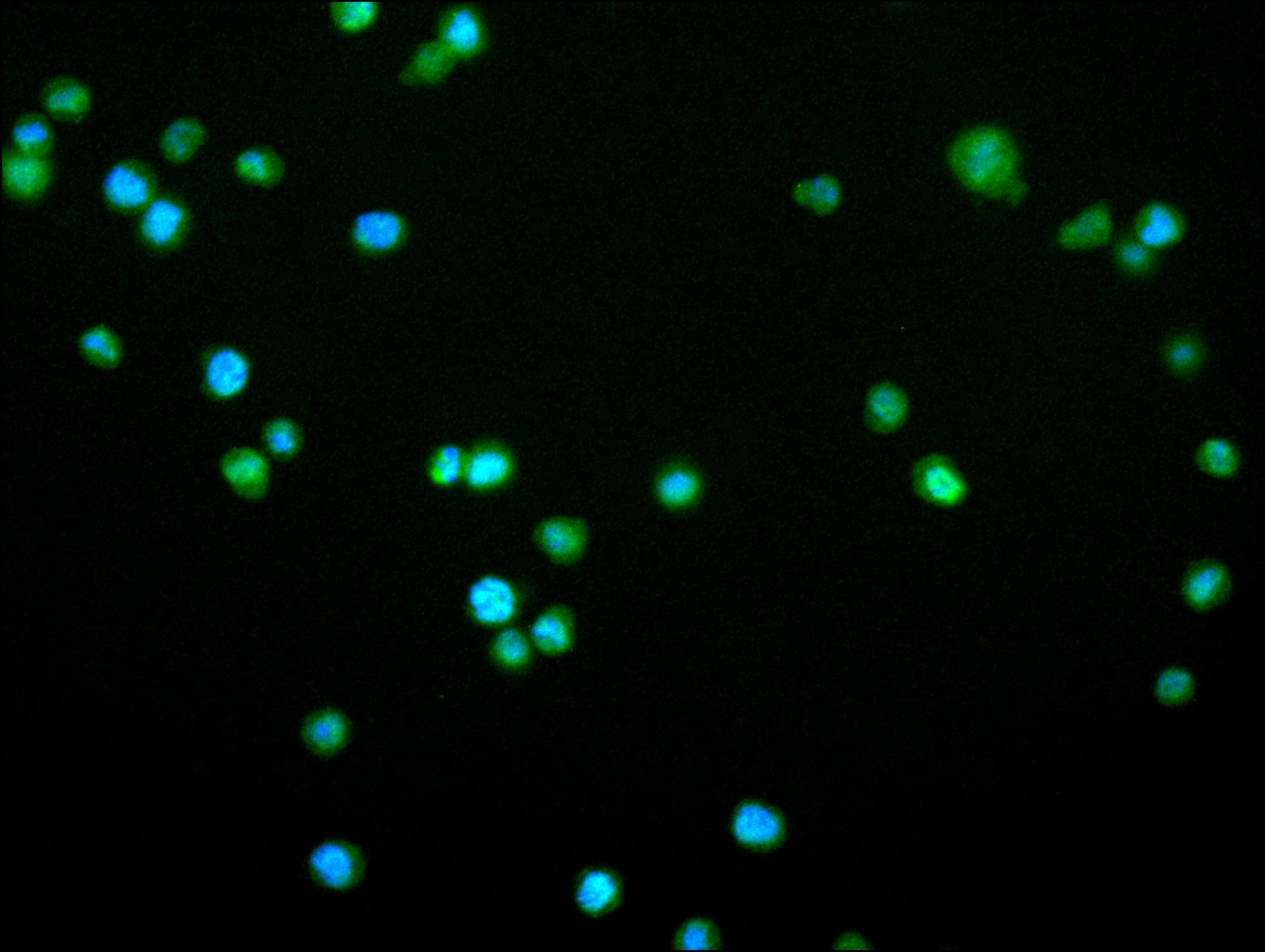
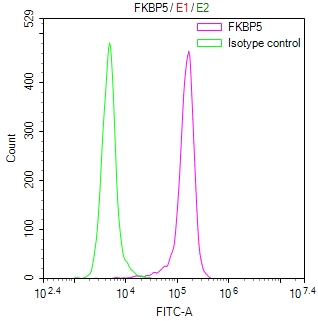
Validation studies demonstrate robust performance across multiple detection platforms. Immunohistochemistry analysis in paraffin-embedded human colorectal cancer tissue shows clear staining at 1:100 dilution using citrate buffer antigen retrieval, making this antibody suitable for examining FKBP5 expression in archival clinical specimens. Immunofluorescence studies in THP-1 monocytic cells reveal distinct cytoplasmic localization patterns at 1:50 dilution, while flow cytometry analysis of PC-3 prostate cancer cells confirms reliable detection of intracellular FKBP5 with clear separation from isotype control.
The unconjugated format provides flexibility for pairing with your preferred secondary detection systems. This antibody supports investigations into glucocorticoid signaling, stress response mechanisms, cancer progression, and psychiatric disorder research where FKBP5 dysregulation has been implicated as a contributing factor.
There are currently no reviews for this product.





