
Call us
301-363-4651 (Available 9 a.m. to 5 p.m. CST from Monday to Friday)

| Code | CSB-RA575353A0HU |
| Size | US$210 |
| Order now | |
| Image |
|
| Have Questions? | Leave a Message or Start an on-line Chat |
| Application | Recommended Dilution |
|---|---|
| WB | 1:1000-1:3000 |
| IF | 1:20-1:100 |
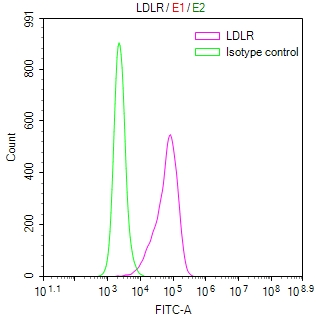
| FC | 1:50-1:150 |
The low-density lipoprotein receptor (LDLR) serves as a critical gatekeeper in cholesterol homeostasis, mediating the cellular uptake of LDL particles and playing a central role in lipid metabolism. Beyond its well-established function in cardiovascular biology, LDLR has emerged as a significant target in cancer research, where altered cholesterol metabolism supports rapid tumor cell proliferation, and in signal transduction studies exploring receptor-mediated endocytosis pathways.
This recombinant monoclonal antibody, clone 2B10, offers the reproducibility that demanding research requires. Generated against a synthetic peptide derived from human LDLR and produced using recombinant technology, it provides sequence-defined consistency between lots, eliminating the variability that can complicate longitudinal studies or multi-site collaborations. Affinity chromatography purification ensures high purity for reliable performance across your experimental workflows.
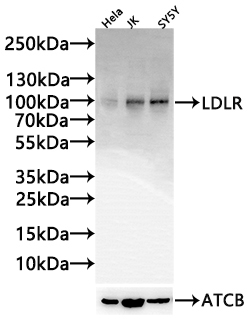
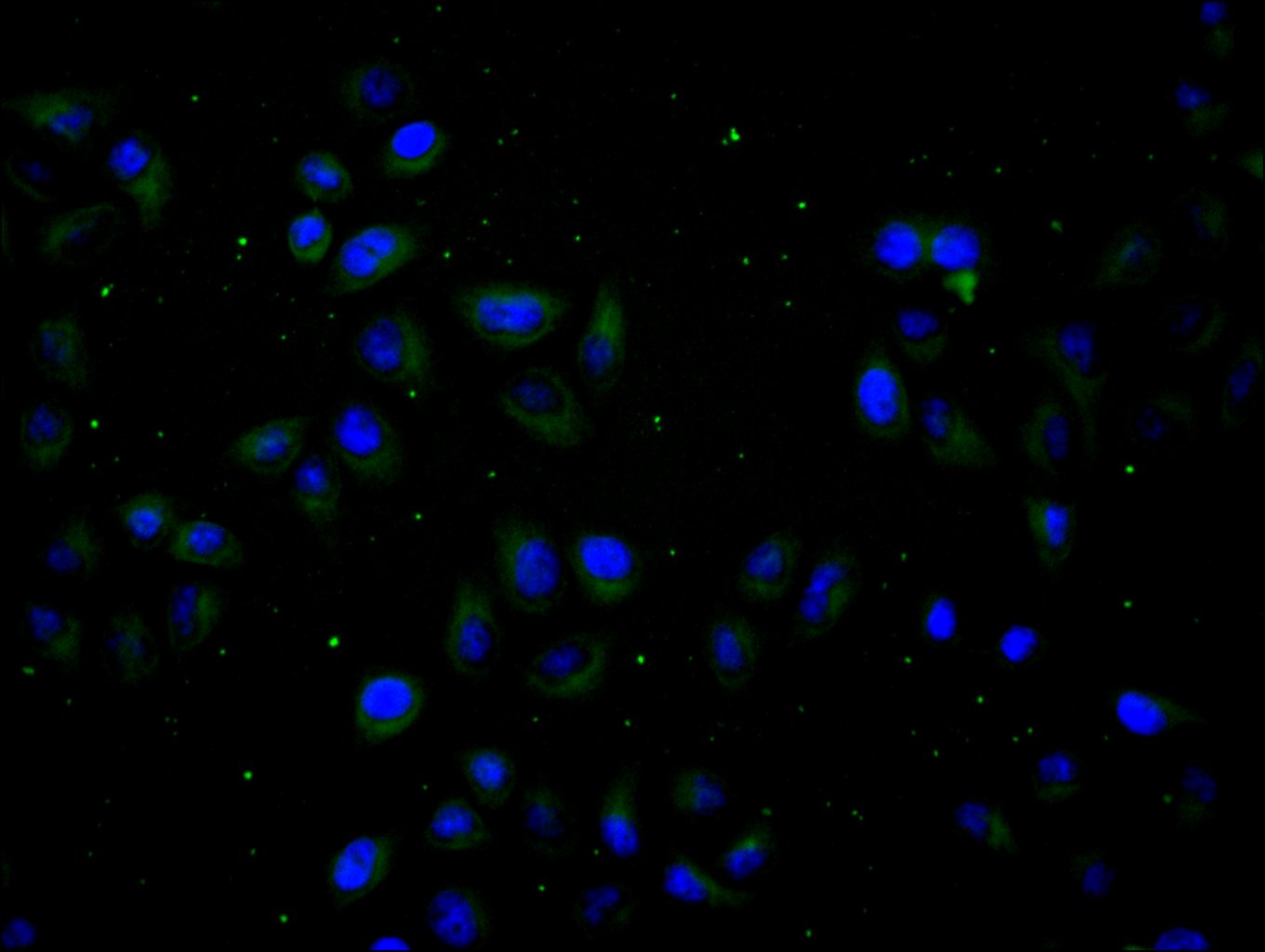
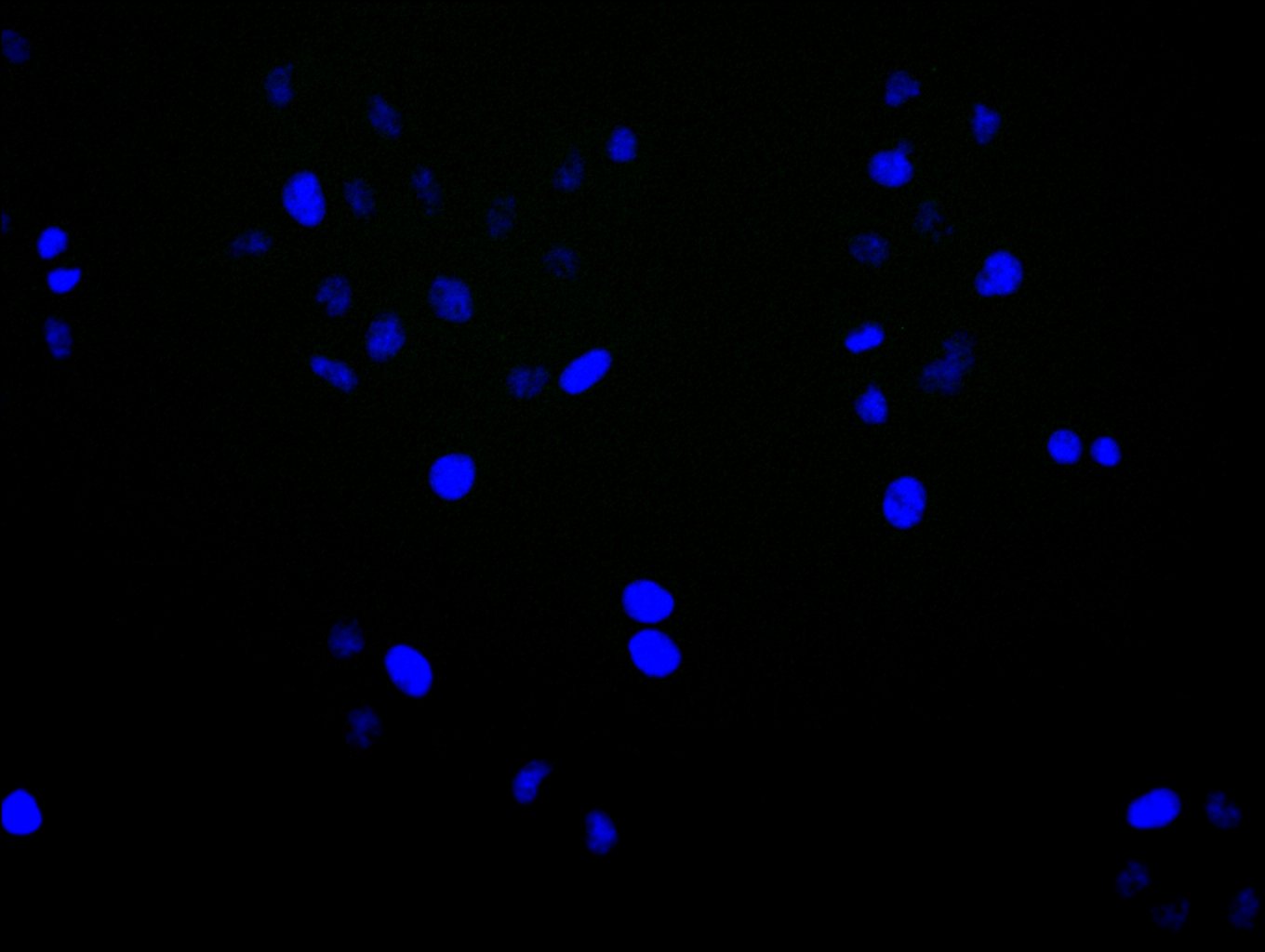
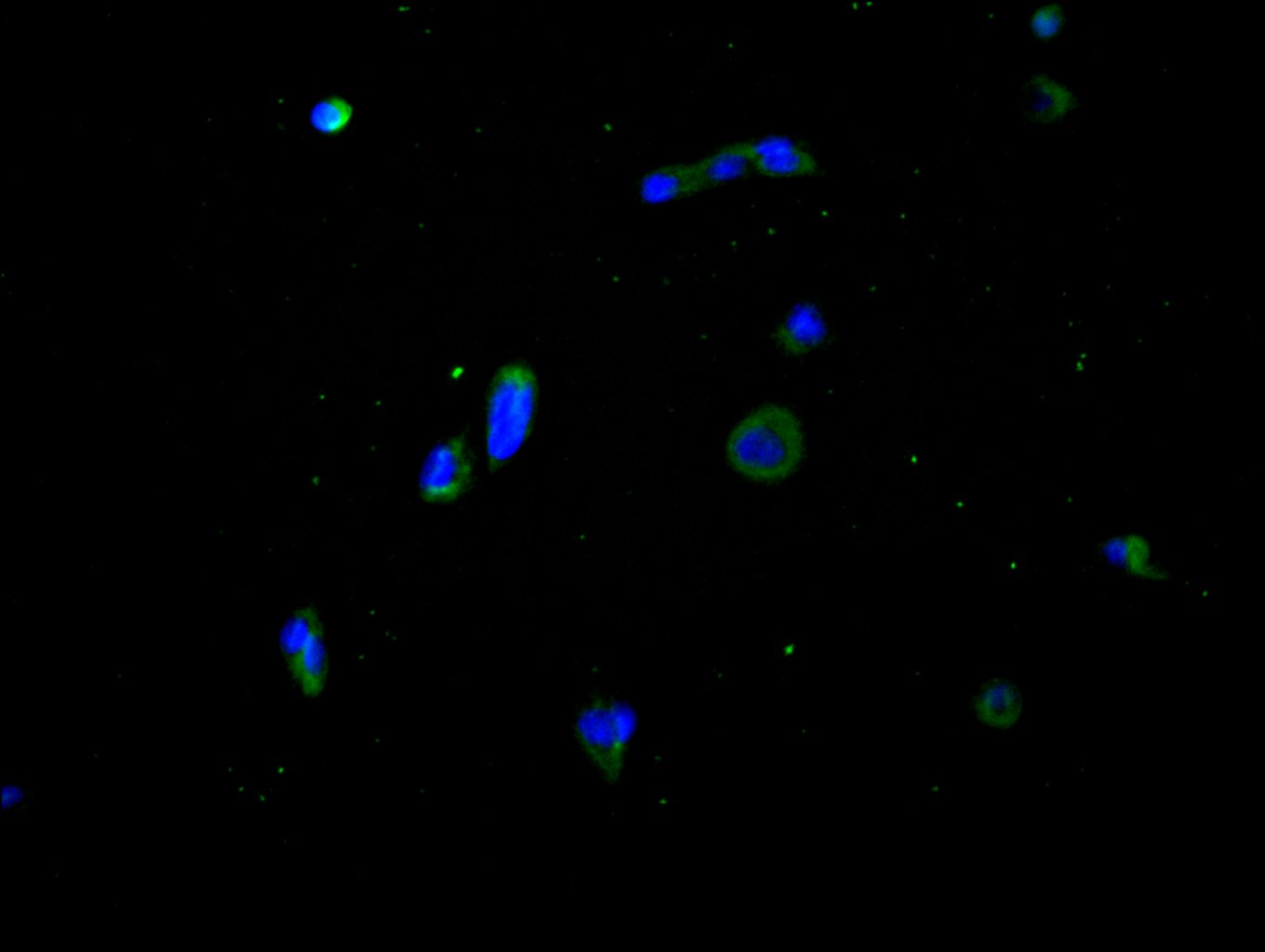
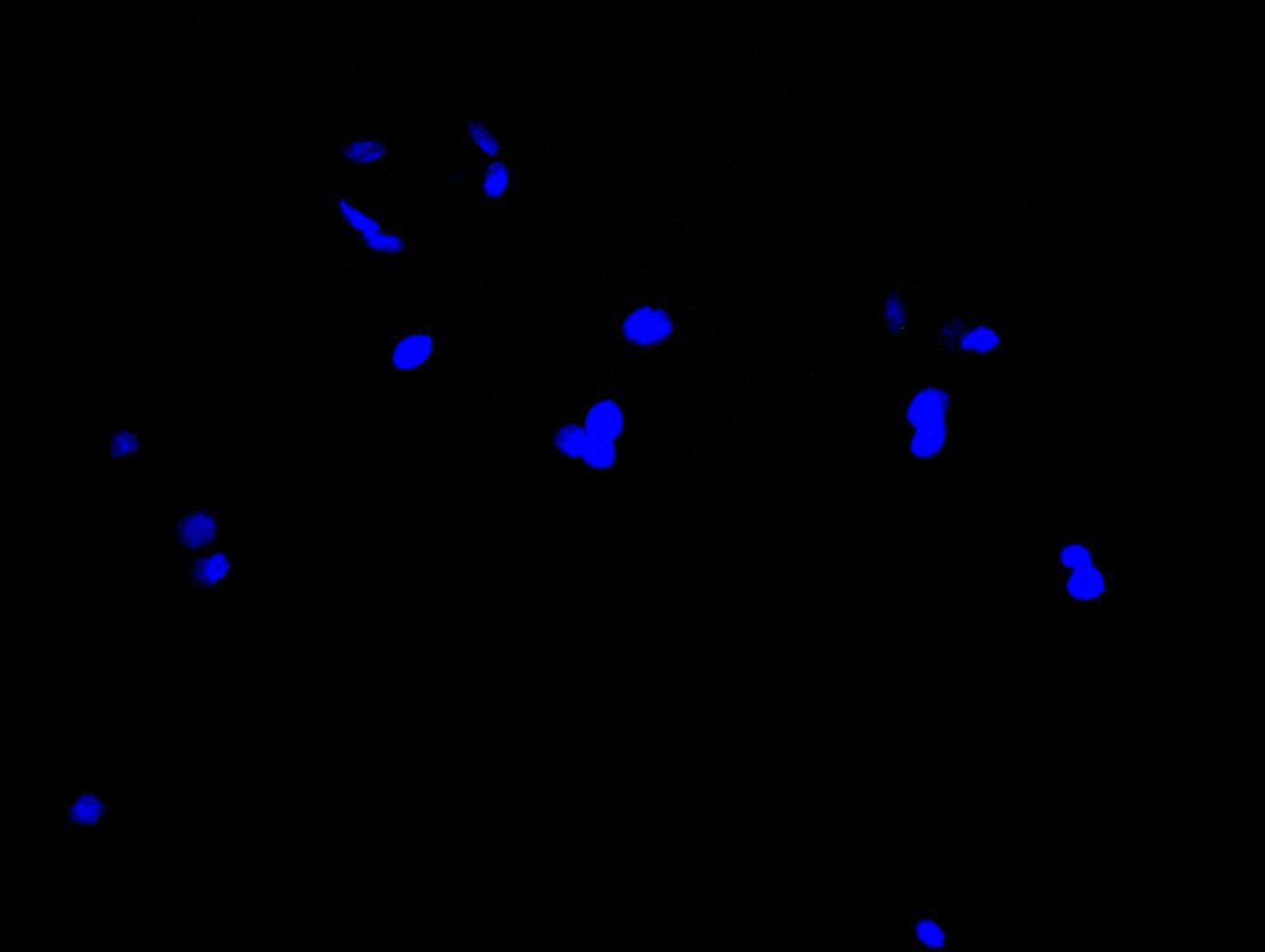
Validation data demonstrates robust detection in Western blot applications across multiple human cell lines, including HeLa, Jurkat (JK), and SH-SY5Y lysates at dilutions of 1:1000–1:3000. The observed bands at approximately 100 and 140 kDa, compared to the predicted 96 kDa molecular weight, reflect the extensive glycosylation characteristic of this membrane receptor, a post-translational modification essential for proper LDLR trafficking and function. Immunofluorescence studies in HeLa and HepG2 cells confirm utility for subcellular localization experiments, with validated dilutions ranging from 1:20–1:100. Flow cytometry data further demonstrates clear separation from isotype controls in permeabilized HeLa cells.
Whether you're investigating cholesterol uptake mechanisms, exploring metabolic reprogramming in cancer models, or studying receptor trafficking dynamics, this antibody provides a dependable tool for advancing your research in cardiovascular disease, metabolism, and oncology.
There are currently no reviews for this product.





