
Call us
301-363-4651 (Available 9 a.m. to 5 p.m. CST from Monday to Friday)

| Code | CSB-RA155738A0HU |
| Size | US$210 |
| Order now | |
| Image |
|
| Have Questions? | Leave a Message or Start an on-line Chat |
| Application | Recommended Dilution |
|---|---|
| IHC | 1:50-1:200 |
| IF | 1:50-1:200 |
| FC | 1:50-1:200 |
MAD2L1BP, also known as p31comet, plays a critical role in mitotic checkpoint regulation by binding to MAD2L1 and promoting the disassembly of the mitotic checkpoint complex. This interaction is essential for proper chromosome segregation and timely anaphase onset, making MAD2L1BP a key target for researchers investigating cell cycle control, spindle assembly checkpoint dynamics, and the molecular mechanisms underlying chromosomal instability in cancer.
This recombinant monoclonal antibody, generated in rabbit host against a synthetic peptide derived from human MAD2L1BP, offers the consistency and reliability that demanding cell biology research requires. As a sequence-defined recombinant clone, it eliminates the lot-to-lot variability inherent in traditional hybridoma-derived antibodies, ensuring reproducible results across extended studies and between laboratories.
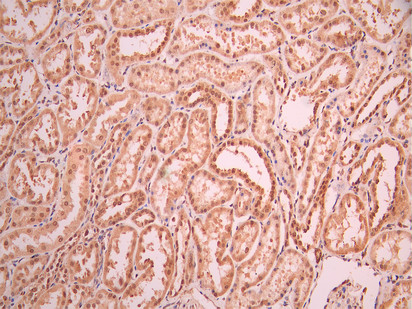
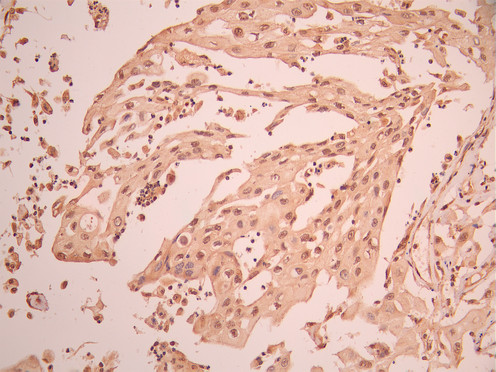
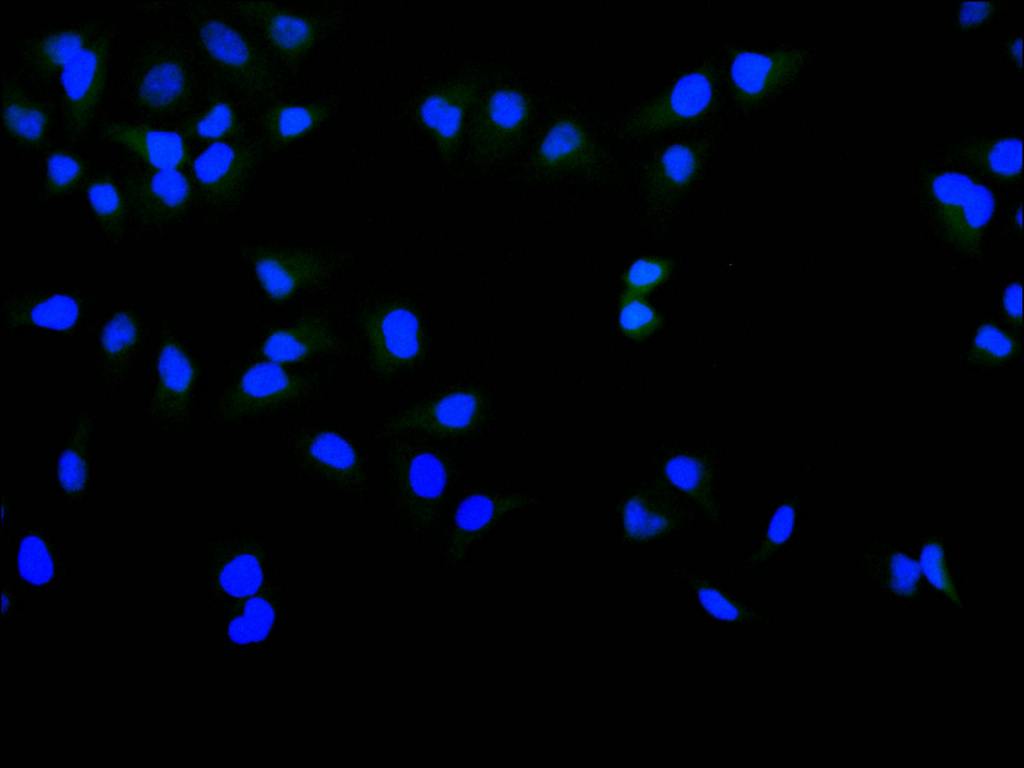
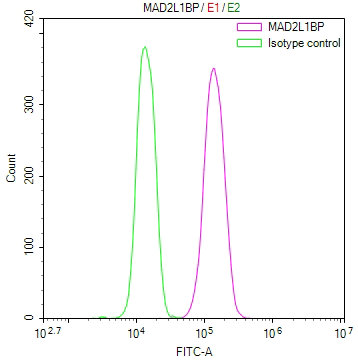
The antibody has been validated across multiple detection platforms, providing flexibility for diverse experimental workflows. Immunohistochemistry performance has been demonstrated in paraffin-embedded human kidney tissue and human cervical cancer sections using citrate buffer antigen retrieval, with recommended dilutions of 1:50–1:200. For cellular localization studies, immunofluorescence staining has been successfully performed in HeLa cells, revealing specific signal patterns when counter-stained with DAPI. Flow cytometry validation in A431 cells confirms utility for quantitative single-cell analysis, with clear separation between specific staining and isotype control populations.
Supplied in a glycerol-containing buffer optimized for long-term stability at -20°C or -80°C, this antibody arrives ready for immediate use in your research. Whether you are investigating mitotic checkpoint signaling, exploring cell division mechanisms, or characterizing checkpoint dysfunction in disease models, this antibody provides a dependable tool for advancing your understanding of MAD2L1BP biology.
There are currently no reviews for this product.





