
Call us
301-363-4651 (Available 9 a.m. to 5 p.m. CST from Monday to Friday)

| Code | CSB-RA018122MA1HU |
| Size | US$210 |
| Order now | |
| Image |
|
| Have Questions? | Leave a Message or Start an on-line Chat |
| Application | Recommended Dilution |
|---|---|
| IF | 1:20-1:200 |
| FC | 1:20-1:200 |
PLAUR, also known as uPAR or CD87, serves as the cell surface receptor for urokinase-type plasminogen activator and plays a central role in pericellular proteolysis, cell migration, and tissue remodeling. Its expression is tightly linked to invasive cellular behavior, making it a molecule of considerable interest in cancer biology, where elevated PLAUR levels correlate with metastatic potential and poor prognosis. Beyond oncology, PLAUR participates in inflammatory responses and cardiovascular processes, positioning it as a valuable marker across multiple disease-relevant research contexts.
This recombinant monoclonal antibody, clone 2E2, offers the reproducibility and consistency that demanding experimental workflows require. Because recombinant antibodies are produced from defined sequences rather than traditional hybridoma methods, researchers benefit from lot-to-lot uniformity that supports longitudinal studies and multi-site collaborations without the variability concerns associated with conventional antibody production.
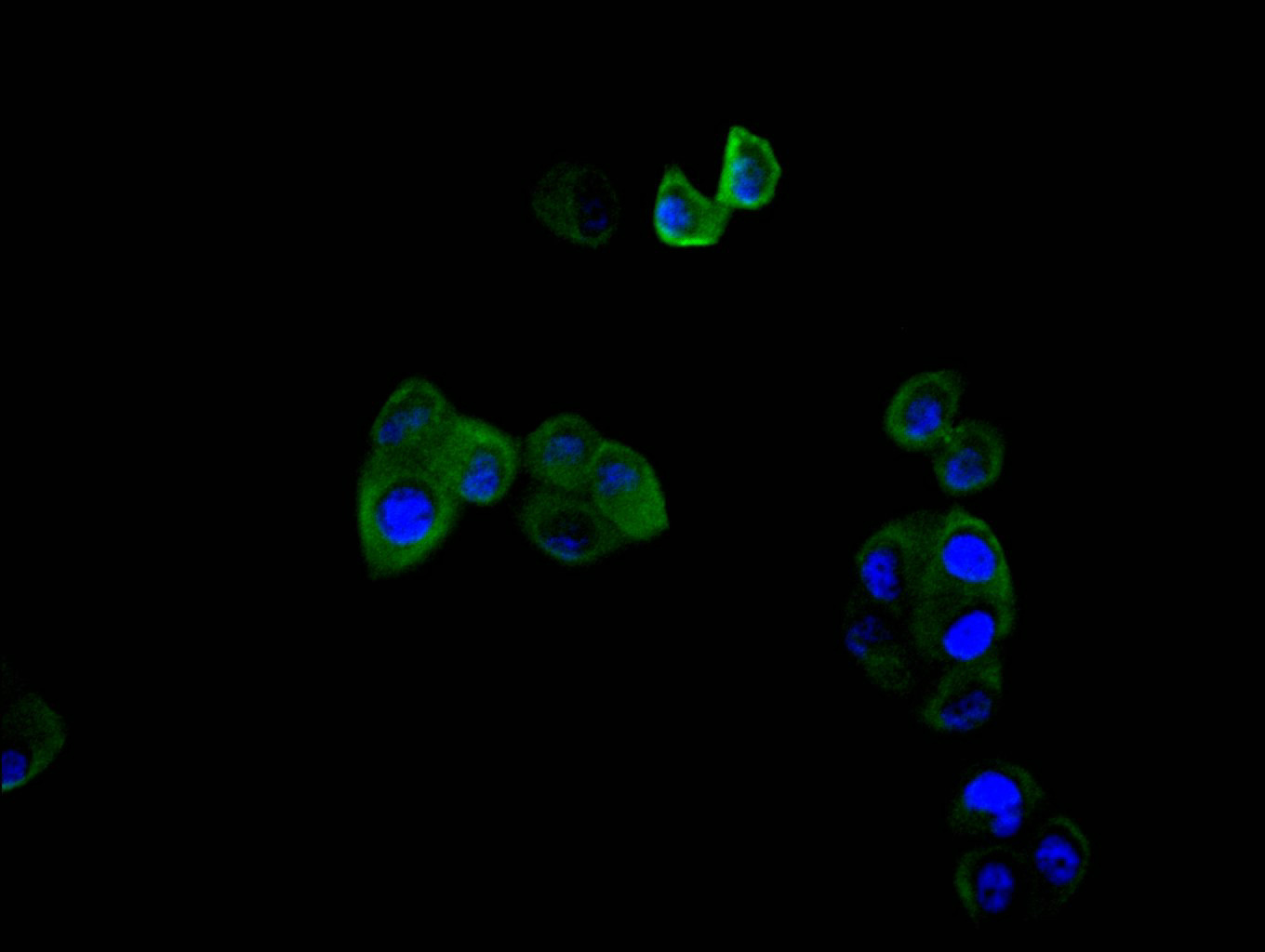
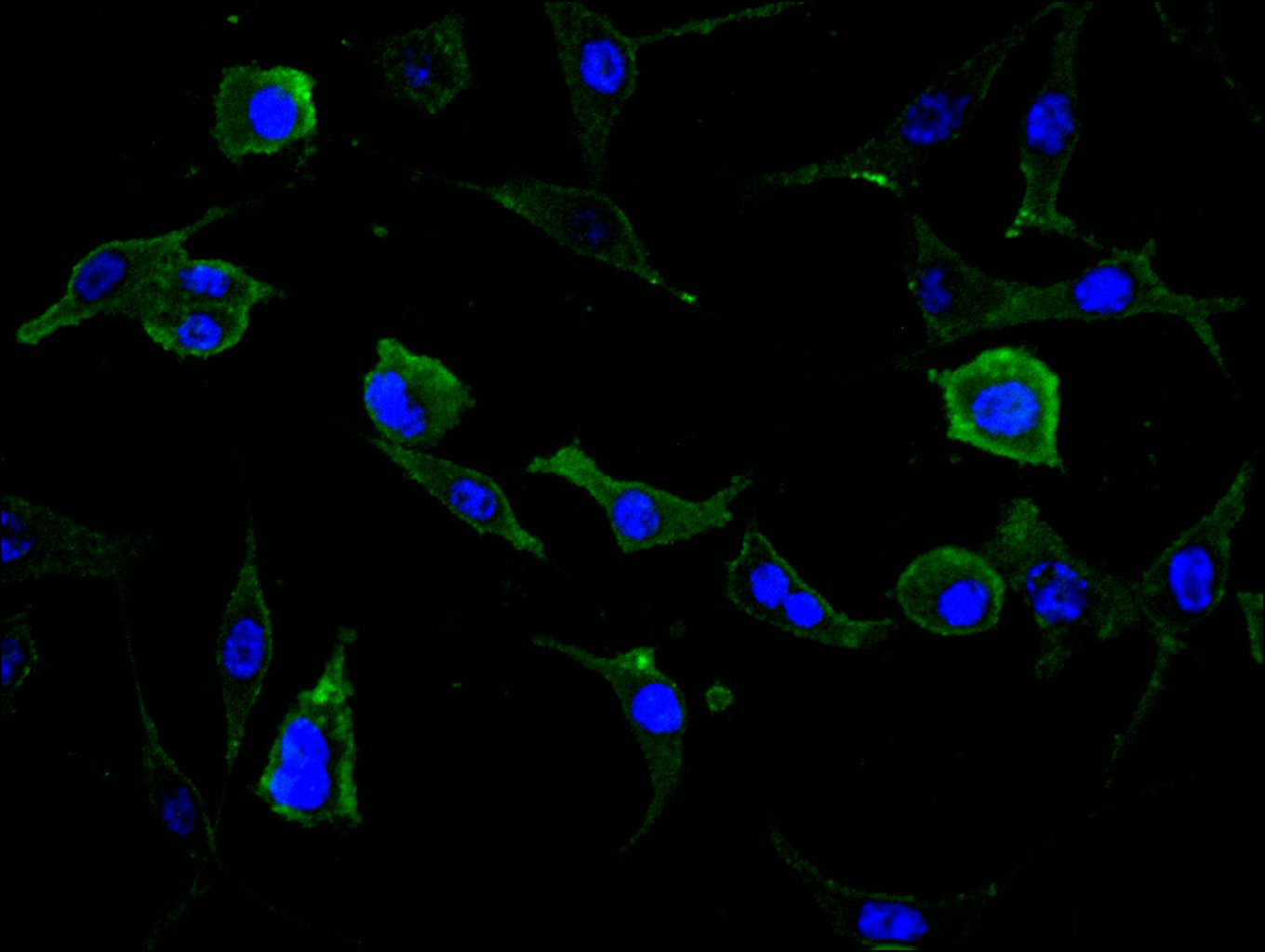
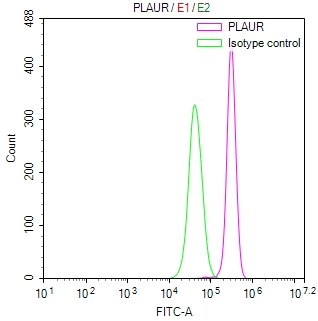
Validation studies demonstrate reliable performance in immunofluorescence and flow cytometry applications with human samples. Immunofluorescence staining of both HeLa cervical carcinoma cells and SH-SY5Y neuroblastoma cells reveals clear membrane and cytoplasmic localization patterns when used at 1:30 dilution, providing flexibility across different cell models. Flow cytometric analysis of HeLa cells confirms robust surface detection, with distinct positive population shifts compared to isotype controls at 1:100 dilution, enabling confident identification of PLAUR-expressing cell populations.
The unconjugated format allows researchers to select secondary detection systems suited to their specific instrumentation and multiplexing needs. For investigators studying tumor invasion mechanisms, immune cell activation, or cardiovascular pathophysiology, this antibody provides a dependable tool for characterizing PLAUR expression in human cellular systems.
There are currently no reviews for this product.





