
Call us
301-363-4651 (Available 9 a.m. to 5 p.m. CST from Monday to Friday)

| Code | CSB-RA234270A0HU |
| Size | US$210 |
| Order now | |
| Image |
|
| Have Questions? | Leave a Message or Start an on-line Chat |
| Application | Recommended Dilution |
|---|---|
| WB | 1:500-1:5000 |
| IHC | 1:50-1:200 |
| IF | 1:50-1:200 |
| FC | 1:50-1:200 |
Alcohol dehydrogenase 1A (ADH1A) serves as a critical enzyme in ethanol metabolism and retinol oxidation, playing essential roles in hepatic detoxification pathways and vitamin A homeostasis. As a class I alcohol dehydrogenase alpha subunit, ADH1A participates in the conversion of alcohols to aldehydes, making it a significant target for researchers investigating metabolic disorders, liver function, and signal transduction pathways.
This recombinant monoclonal antibody, clone 23D2, offers the reproducibility and consistency that demanding experimental workflows require. Generated through recombinant technology using a synthesized peptide derived from human ADH1A, this antibody provides sequence-defined specificity that eliminates the lot-to-lot variability often encountered with traditional hybridoma-derived reagents. The rabbit IgG format ensures reliable performance across multiple detection platforms.
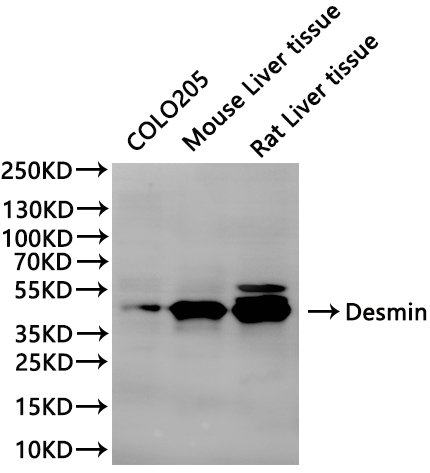
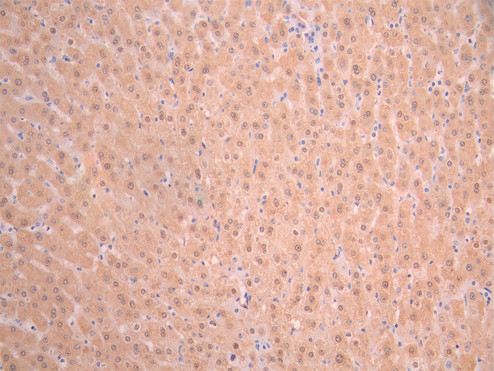
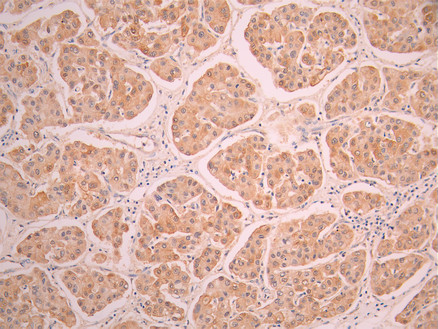
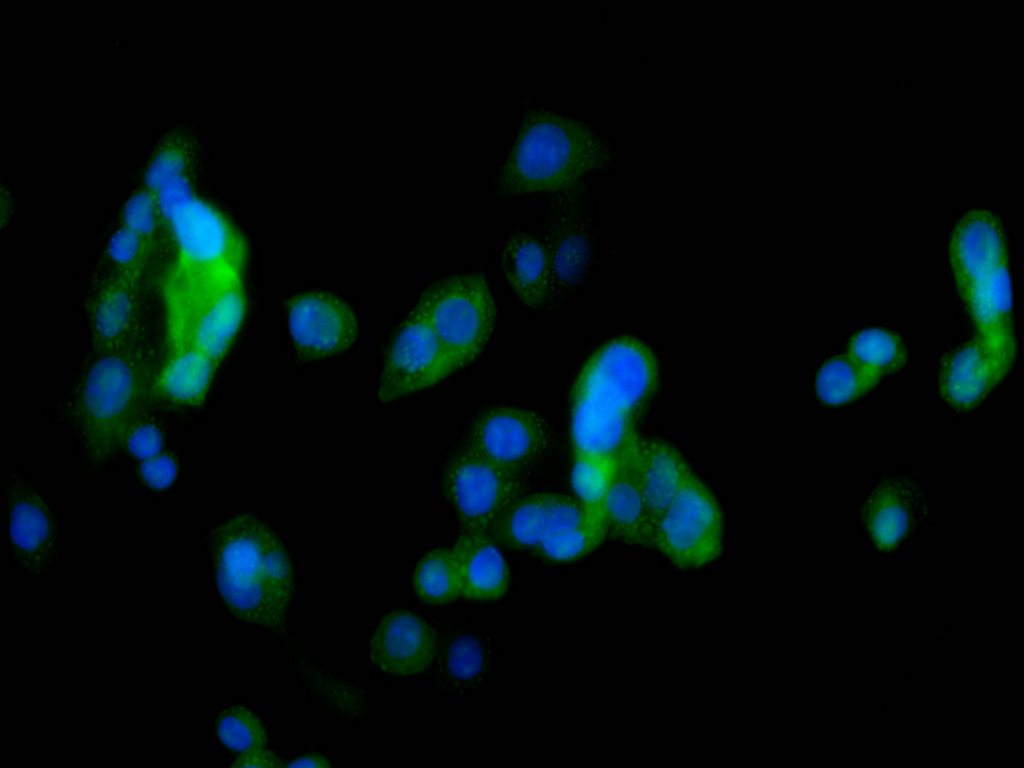
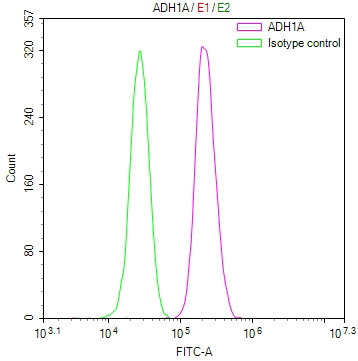
Extensive validation demonstrates this antibody's versatility across diverse experimental applications. Western blot analysis confirms detection of the expected 40 kDa band in COLO205 whole cell lysates as well as mouse and rat liver tissue lysates, providing cross-species reactivity for comparative studies. Immunohistochemistry staining has been validated in paraffin-embedded human liver tissue and liver cancer specimens using citrate buffer antigen retrieval, enabling researchers to examine ADH1A expression patterns in both normal and pathological contexts. Immunofluorescence studies in HepG2 hepatocellular carcinoma cells reveal cytoplasmic localization patterns, while flow cytometry analysis demonstrates clear positive population shifts in the same cell line.
The antibody arrives affinity-purified in a glycerol-containing buffer optimized for long-term storage stability. Whether investigating hepatic metabolism, alcohol-related pathologies, or broader signal transduction mechanisms, this antibody delivers the technical performance needed for publication-quality results.
There are currently no reviews for this product.





