


Call us
301-363-4651 (Available 9 a.m. to 5 p.m. CST from Monday to Friday)

| Code | CSB-RA001950MA2HU |
| Size | $49.9 |
| Order now | |
| Promotion |

|
| Image |
|
| Have Questions? | Leave a Message or Start an on-line Chat |
| Application | Recommended Dilution |
|---|---|
| IHC | 1:50-1:200 |
| IF | 1:50-1:200 |
Amyloid precursor protein (APP) stands at the center of Alzheimer's disease research as the source of amyloid-beta peptides, the primary constituents of senile plaques that characterize this devastating neurodegenerative condition. Beyond its role in amyloid pathology, APP participates in neuronal development, synaptic plasticity, and cell adhesion, making it a critical target for investigators studying both normal brain function and disease mechanisms.
This recombinant monoclonal antibody, clone 5H10, offers the reproducibility and consistency that demanding neuroscience research requires. Because recombinant antibodies are produced from defined sequences rather than hybridoma supernatants, you can expect identical performance across lots, eliminating the variability that can compromise longitudinal studies or multi-site collaborations. The human IgG1 isotype and affinity-chromatography purification ensure high specificity for your human sample work.
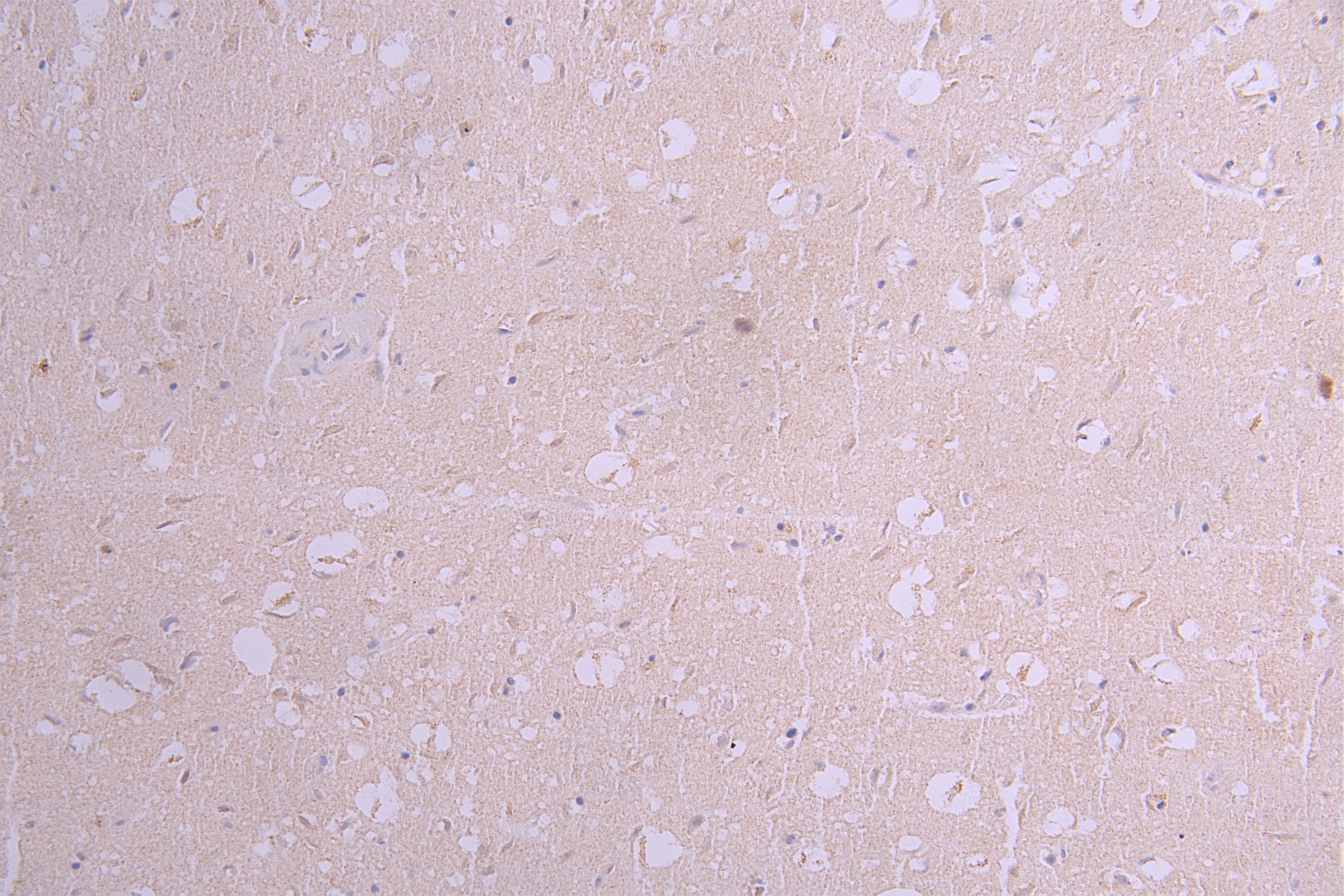
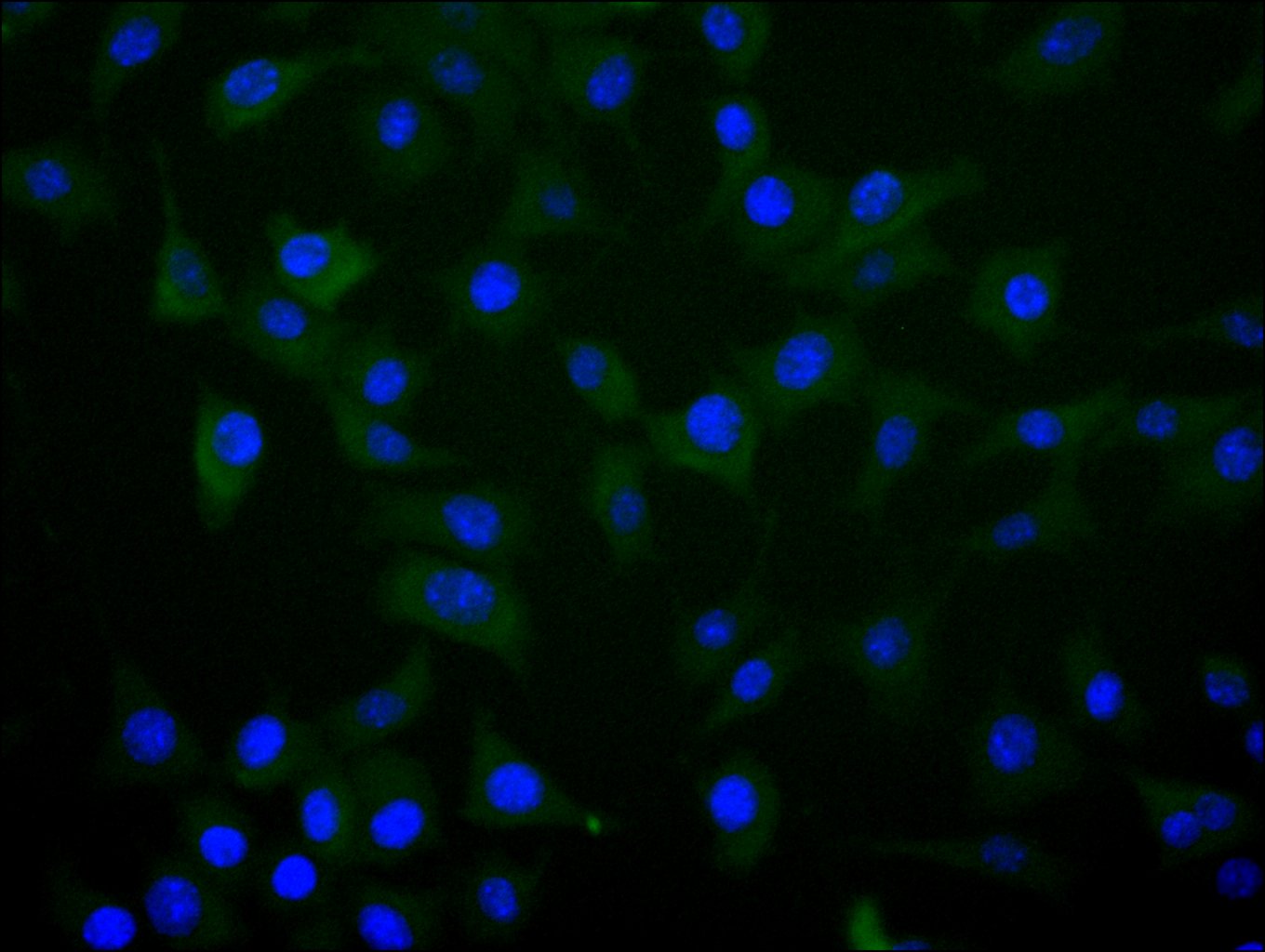
Validation studies demonstrate robust performance across multiple immunohistochemistry applications. In paraffin-embedded human brain tissue, this antibody produces clear staining patterns suitable for examining APP distribution in both normal and pathological contexts. Testing in human glioma tissue extends its utility to neuro-oncology research, where APP expression has been implicated in tumor biology. Additional validation in human testis tissue confirms detection in peripheral tissues where APP is also expressed. For cellular studies, immunofluorescence staining of SH-SY5Y neuroblastoma cells, a widely used model for neuronal differentiation and neurotoxicity studies, shows distinct localization patterns when counterstained with DAPI.
Whether you are investigating amyloid processing pathways, screening therapeutic candidates, or characterizing APP expression in disease models, this antibody provides a reliable tool for advancing your neuroscience research.
There are currently no reviews for this product.





