
Call us
301-363-4651 (Available 9 a.m. to 5 p.m. CST from Monday to Friday)

| Code | CSB-RA009030MA1HU |
| Size | US$210 |
| Order now | |
| Image |
|
| Have Questions? | Leave a Message or Start an on-line Chat |
| Application | Recommended Dilution |
|---|---|
| WB | 1:1000-1:5000 |
| IHC | 1:20-1:200 |
| FC | 1:20-1:200 |
Ferritin heavy chain (FTH1) serves as the catalytic subunit of the ferritin complex, possessing ferroxidase activity essential for converting reactive ferrous iron to the safer ferric form for intracellular storage. This iron-sequestering function positions FTH1 at the intersection of cellular metabolism, oxidative stress response, and proliferation control, making it a compelling target across neurodegenerative disease research, cancer biology, and cardiovascular studies where iron homeostasis plays a critical role.
This recombinant monoclonal antibody, clone 18C10, offers the reproducibility and consistency that demanding experimental workflows require. Because it derives from a defined sequence rather than traditional hybridoma methods, you can expect uniform performance across lots—particularly valuable for longitudinal studies or multi-site collaborations where antibody variability can introduce unwanted noise into your data.
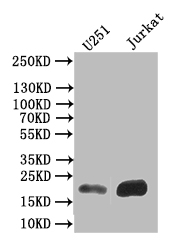
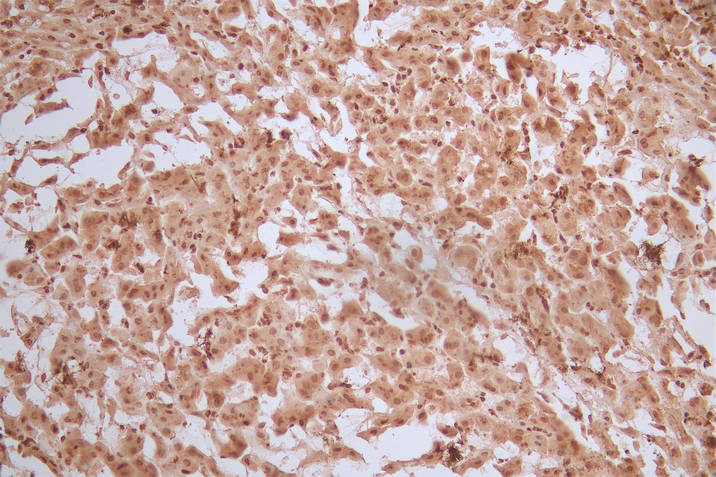
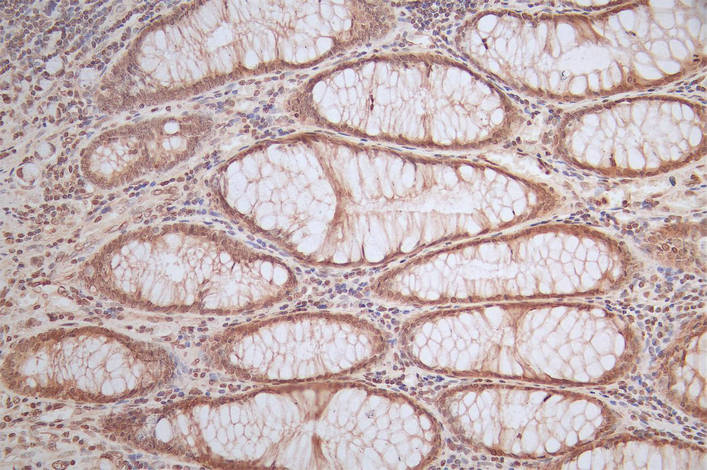
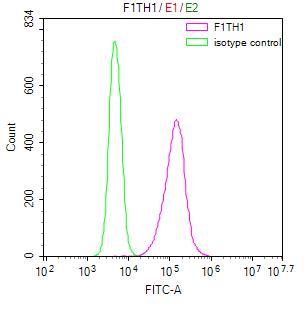
Validation across multiple platforms demonstrates genuine experimental flexibility. Western blot analysis confirms specific detection of FTH1 at the expected 22 kDa molecular weight in both U251 glioblastoma and JK (Jurkat) cell lysates, with effective working dilutions ranging from 1:1000 to 1:5000. Immunohistochemistry studies using paraffin-embedded human tissues—including normal liver and rectal cancer specimens—show reliable staining at 1:50 dilution following citrate buffer antigen retrieval. Flow cytometry validation in 293 cells demonstrates clear separation from isotype controls, confirming utility for intracellular protein quantification in fixed and permeabilized samples.
The unconjugated format and affinity-purified preparation provide flexibility for pairing with your preferred detection systems. Whether investigating iron metabolism in neurodegeneration, exploring FTH1's role in tumor microenvironments, or examining its involvement in cardiac pathophysiology, this antibody delivers the specificity and application range your research demands.
There are currently no reviews for this product.





