
Call us
301-363-4651 (Available 9 a.m. to 5 p.m. CST from Monday to Friday)

| Code | CSB-RA244970A0HU |
| Size | US$210 |
| Order now | |
| Image |
|
| Have Questions? | Leave a Message or Start an on-line Chat |
| Application | Recommended Dilution |
|---|---|
| IHC | 1:50-1:200 |
| IF | 1:50-1:200 |
| FC | 1:50-1:200 |
Galectin-8 (LGALS8) is a tandem-repeat galectin that plays multifaceted roles in cell adhesion, immune modulation, and autophagy regulation. This beta-galactoside-binding lectin has garnered significant research interest for its involvement in pathogen recognition, where it serves as a danger receptor detecting damaged endosomes and triggering antibacterial autophagy. Additionally, LGALS8 has been identified as a prostate carcinoma tumor antigen (PCTA-1), making it relevant to cancer biology research, particularly in studies examining tumor progression and immune evasion mechanisms.
This recombinant rabbit monoclonal antibody (clone 5E11) offers the reproducibility and consistency that demanding experimental workflows require. Generated against a synthetic peptide derived from human LGALS8, the recombinant production method ensures sequence-defined specificity and eliminates the lot-to-lot variability that can compromise longitudinal studies or multi-site collaborations. Affinity chromatography purification delivers a high-purity reagent suitable for sensitive detection applications.
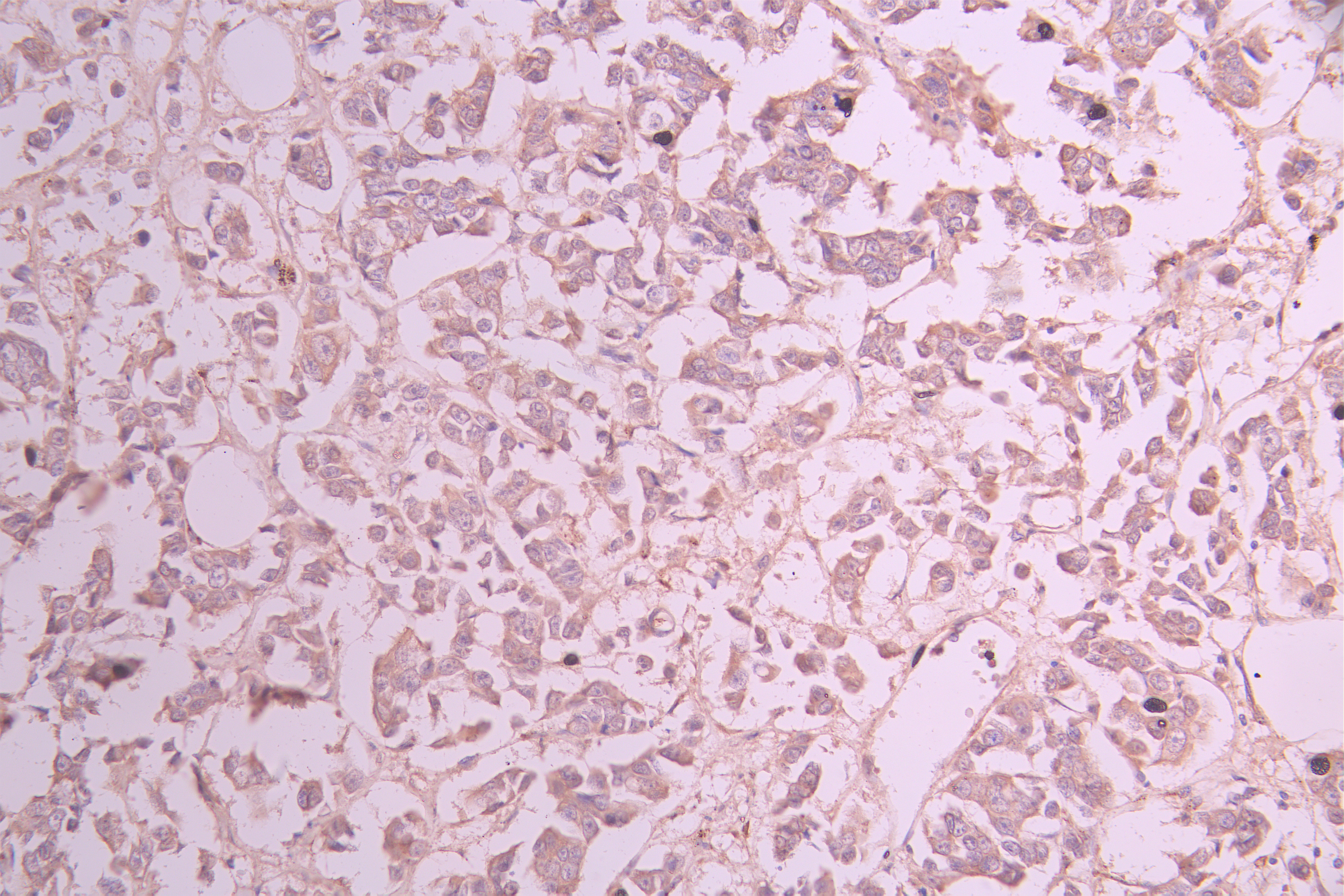
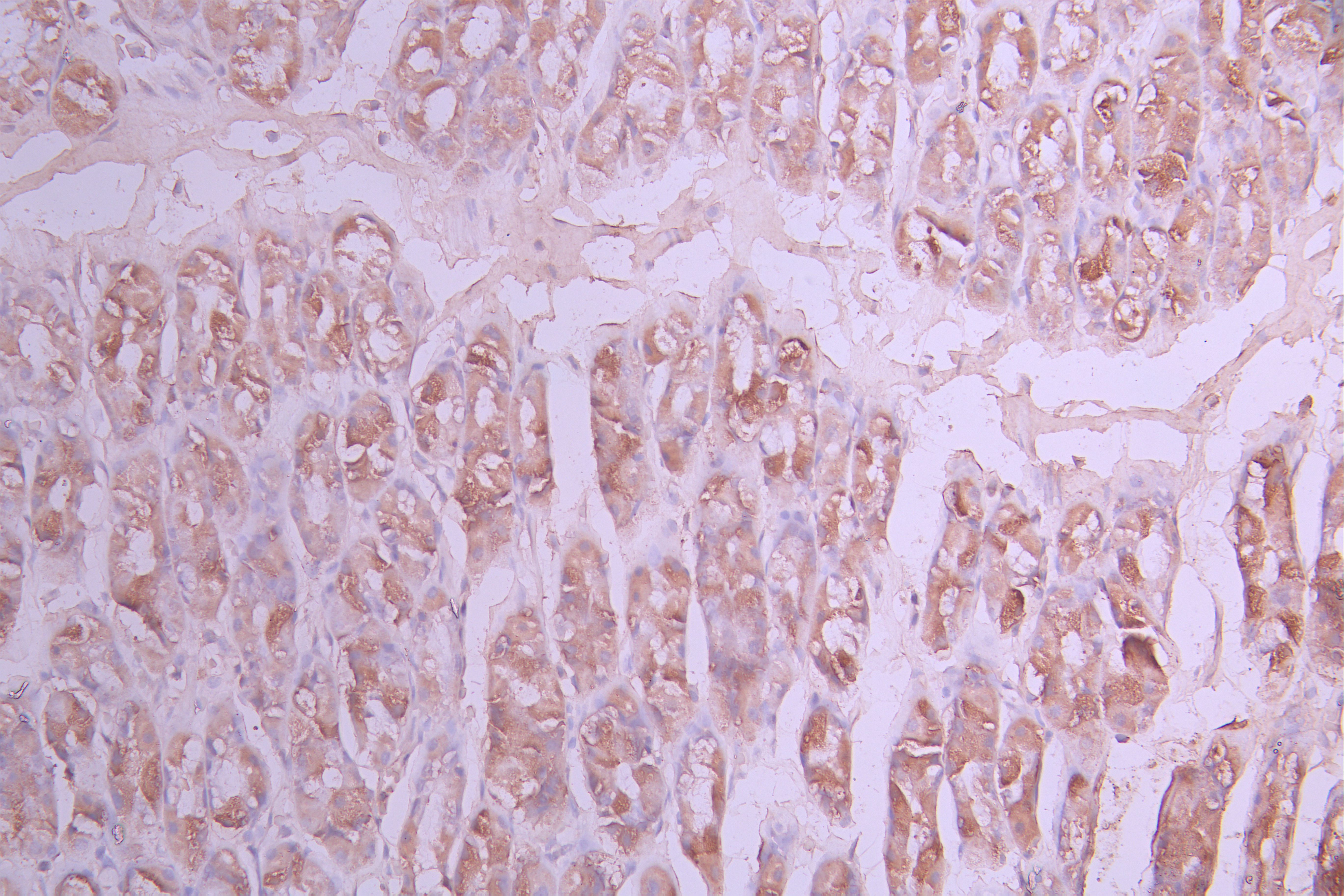
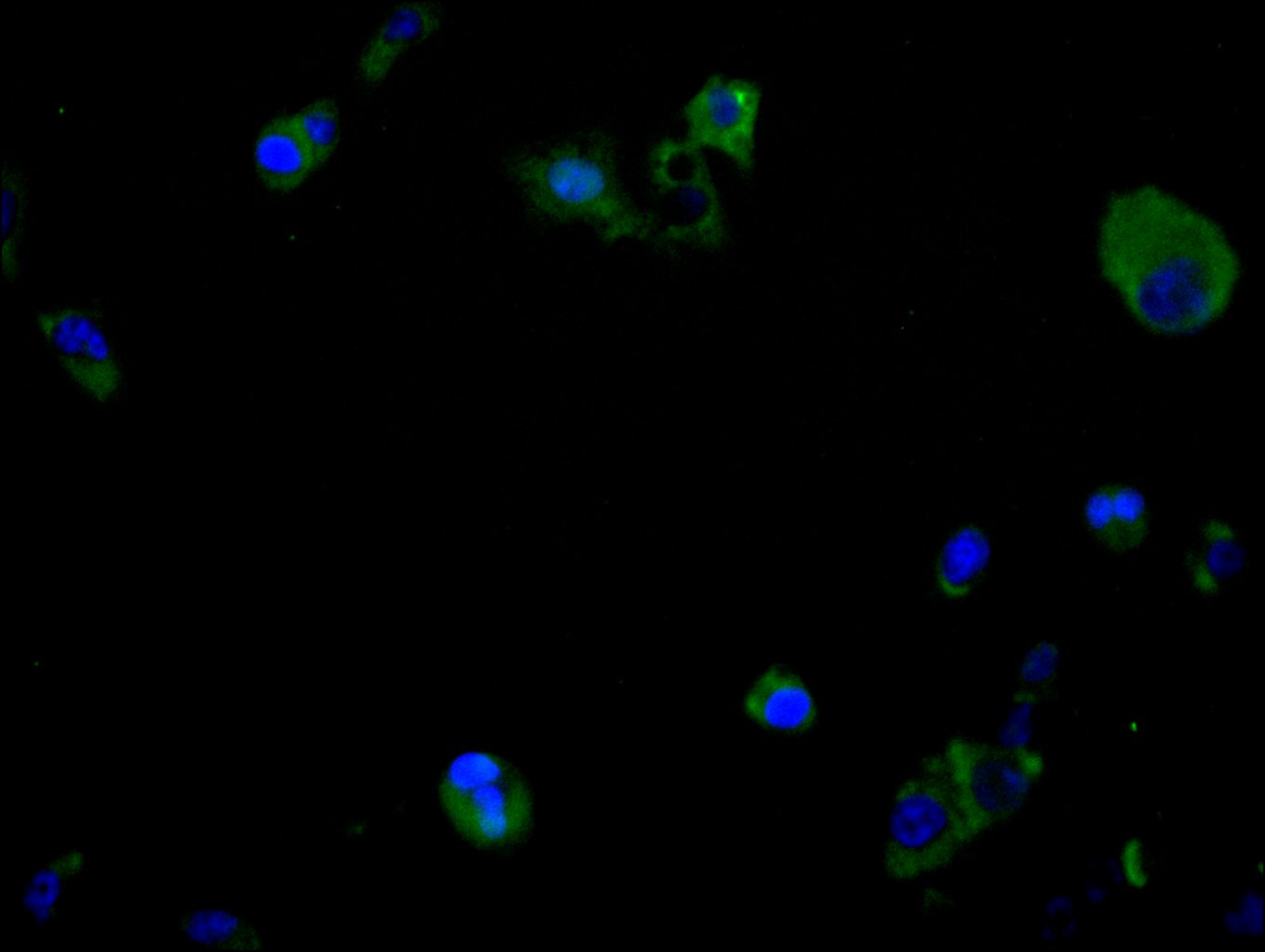
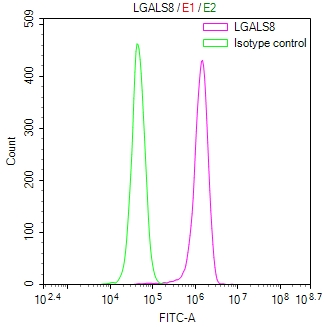
Validation across multiple platforms demonstrates this antibody's experimental versatility. Immunohistochemistry studies have confirmed reliable staining in paraffin-embedded human breast cancer and stomach tissue sections, enabling researchers to examine LGALS8 expression patterns in both malignant and normal tissue contexts. Immunofluorescence analysis in HepG2 hepatocellular carcinoma cells reveals clear subcellular localization, while flow cytometry validation using MCF-7 breast cancer cells demonstrates robust detection with distinct signal separation from isotype controls.
Whether investigating galectin-mediated autophagy pathways, characterizing tumor microenvironment interactions, or exploring LGALS8's role in innate immunity, this antibody provides a dependable tool for advancing your research across tissue-based and cell-based applications.
There are currently no reviews for this product.





