
Call us
301-363-4651 (Available 9 a.m. to 5 p.m. CST from Monday to Friday)

| Code | CSB-RA794688HU |
| Size | US$210 |
| Order now | |
| Image |
|
| Have Questions? | Leave a Message or Start an on-line Chat |
| Application | Recommended Dilution |
|---|---|
| WB | 1:500-1:2000 |
| IHC | 1:50-1:200 |
LRP1, also known as CD91 or the alpha-2-macroglobulin receptor, serves as a multifunctional endocytic receptor with critical roles in lipoprotein metabolism, cellular signaling, and the clearance of diverse ligands including proteases and growth factors. This large transmembrane protein has emerged as a key player in neurodegenerative disease research, cancer biology, and cardiovascular studies, where its involvement in amyloid-beta clearance, tumor cell migration, and atherosclerosis progression continues to attract significant investigative attention.
This recombinant rabbit monoclonal antibody, clone 7D3, offers the reproducibility and sequence-defined consistency that demanding experimental workflows require. Generated against a synthetic peptide derived from human LRP1, the recombinant production method ensures lot-to-lot uniformity, allowing you to maintain confidence in your results across extended studies and collaborative projects.
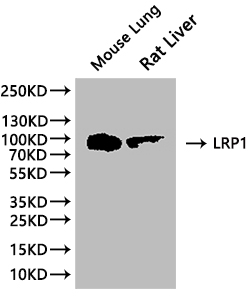
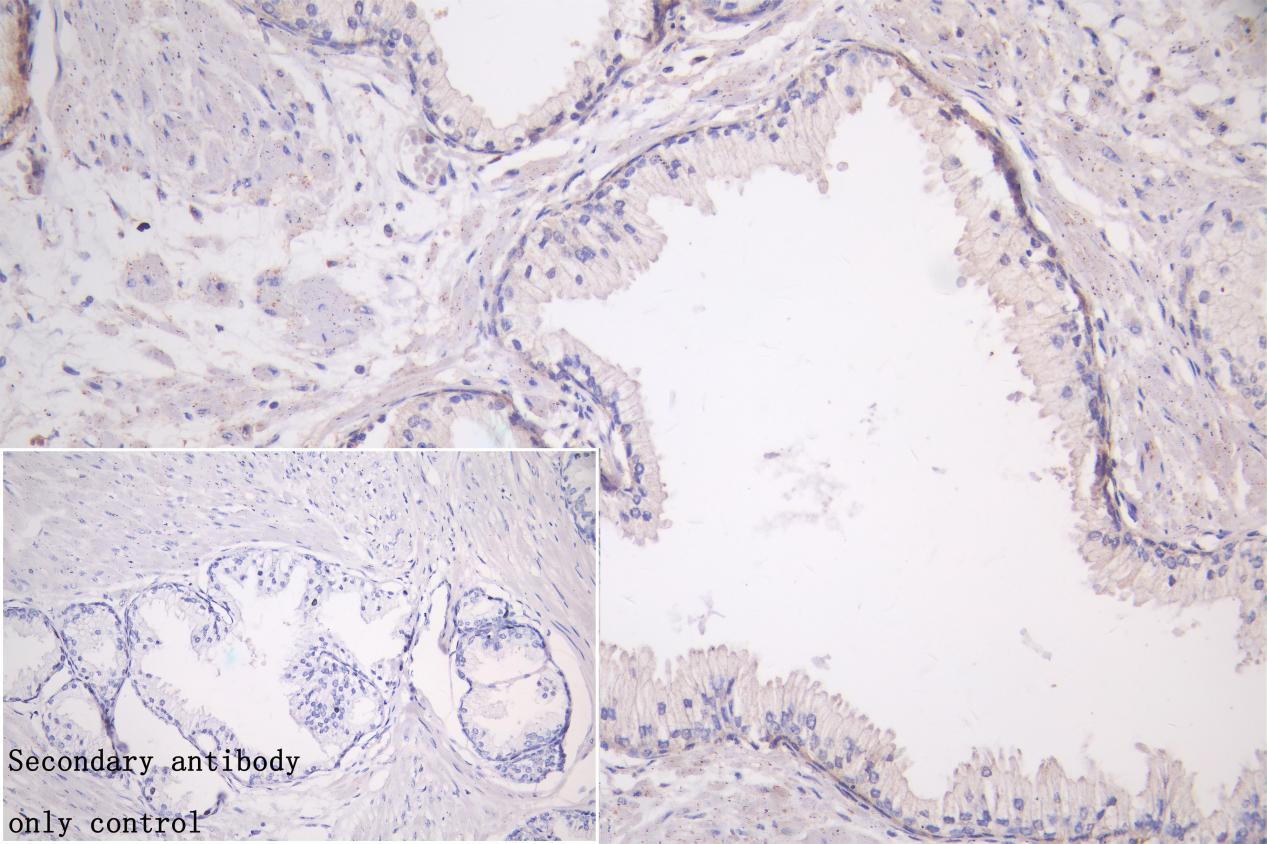
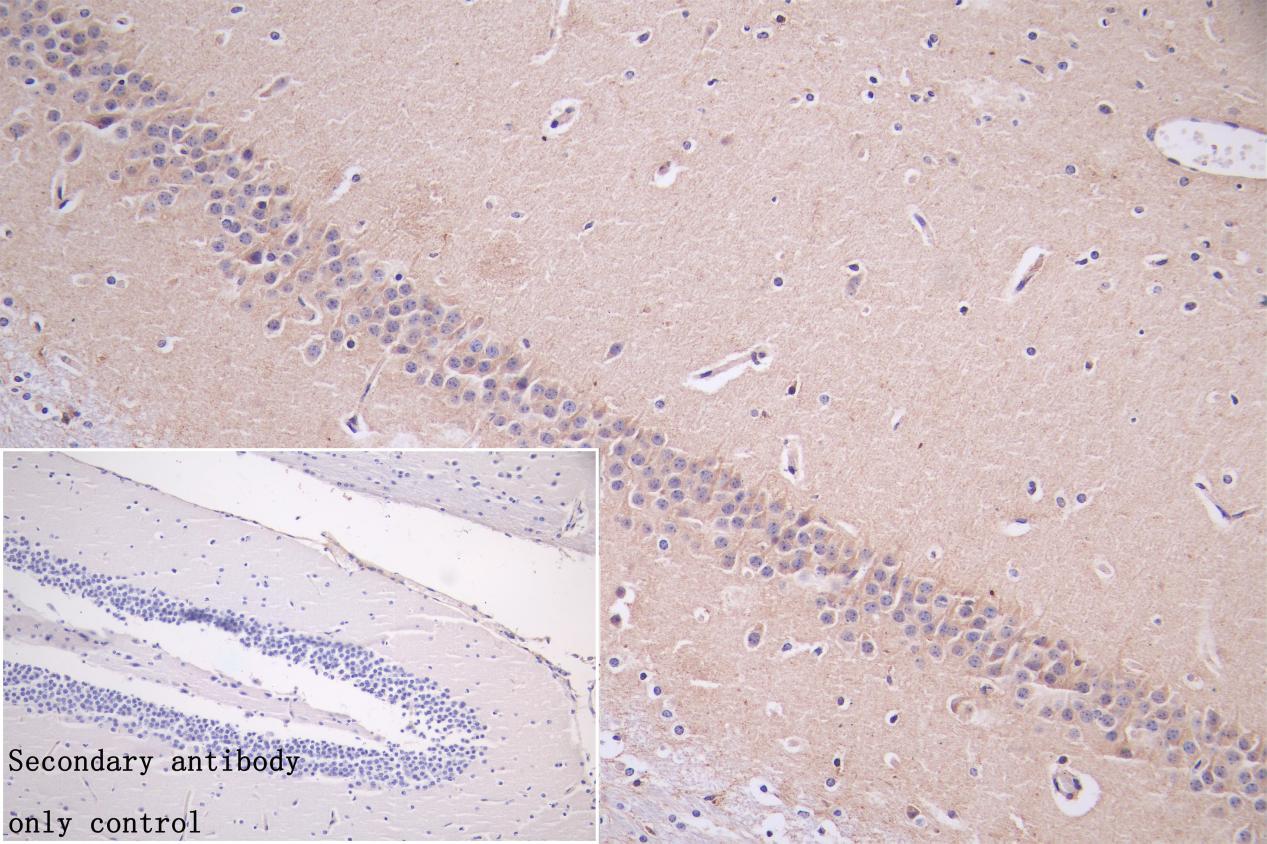
Validated for Western blot and immunohistochemistry applications, this antibody demonstrates reliable cross-species reactivity with human, mouse, and rat samples. Western blot analysis of mouse lung and rat liver tissue lysates reveals detection at approximately 100 kDa rather than the predicted 505 kDa full-length protein. The 100 kDa band likely represents a proteolytically cleaved fragment or the smaller β-chain of the LRP1 receptor, as the full-length protein is highly susceptible to degradation during sample preparation. Immunohistochemical staining has been successfully performed on paraffin-embedded human prostate cancer tissue and mouse brain sections using citrate buffer antigen retrieval, with recommended dilutions ranging from 1:50 to 1:200.
Whether investigating LRP1's role in signal transduction pathways, metabolic regulation, or its emerging significance in neurological and oncological contexts, this antibody provides a dependable tool for advancing your research across multiple experimental platforms.
There are currently no reviews for this product.





