
Call us
301-363-4651 (Available 9 a.m. to 5 p.m. CST from Monday to Friday)

| Code | CSB-RA237021A0HU |
| Size | US$210 |
| Order now | |
| Image |
|
| Have Questions? | Leave a Message or Start an on-line Chat |
| Application | Recommended Dilution |
|---|---|
| WB | 1:500-1:2000 |
| IHC | 1:50-1:200 |
| IF | 1:50-1:200 |
MCM7 serves as an essential component of the minichromosome maintenance complex, a hexameric helicase critical for DNA replication licensing and initiation. This protein ensures that genomic DNA is replicated exactly once per cell cycle, making it a key marker for studying cell proliferation, cancer biology, and DNA replication dynamics. Dysregulation of MCM7 has been implicated in various malignancies, positioning it as both a research target and potential diagnostic marker.
This recombinant monoclonal antibody, clone 16D6, offers the reproducibility and consistency that demanding research applications require. Generated against a synthetic peptide derived from human MCM7 and produced using recombinant technology in rabbit host, this antibody provides sequence-defined specificity with minimal lot-to-lot variation. Affinity chromatography purification ensures high purity for reliable experimental outcomes.
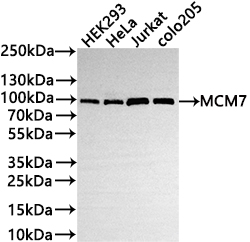
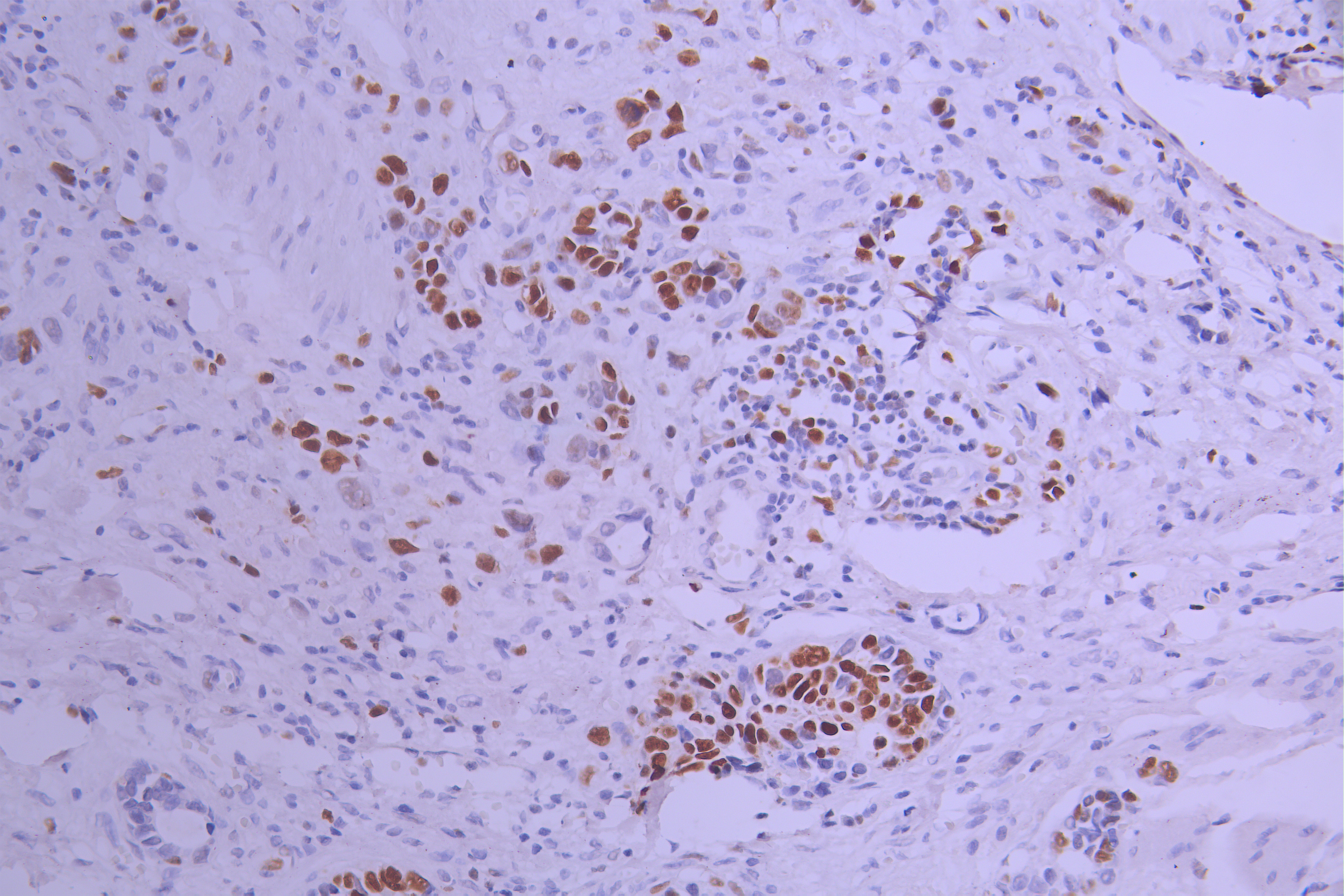
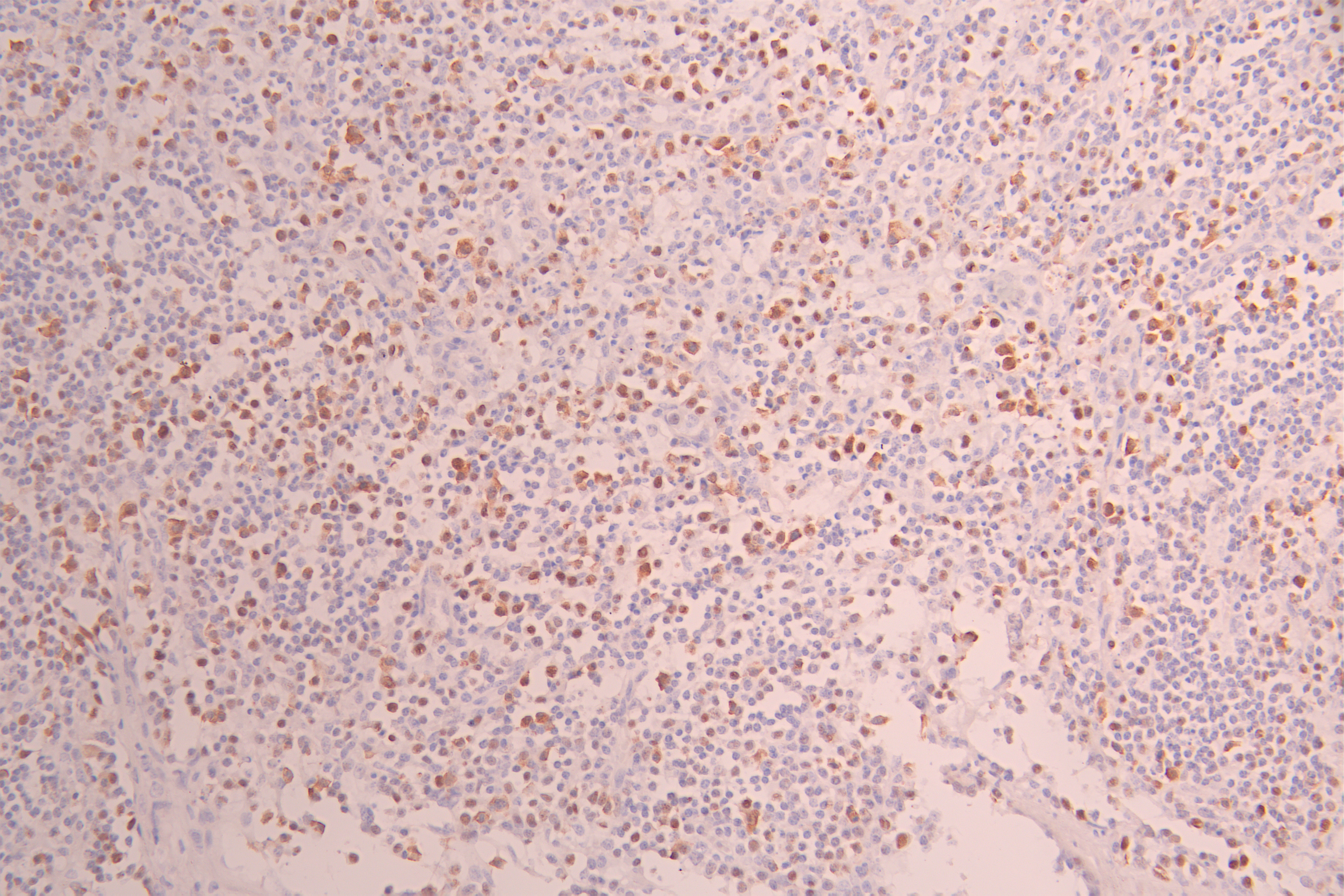
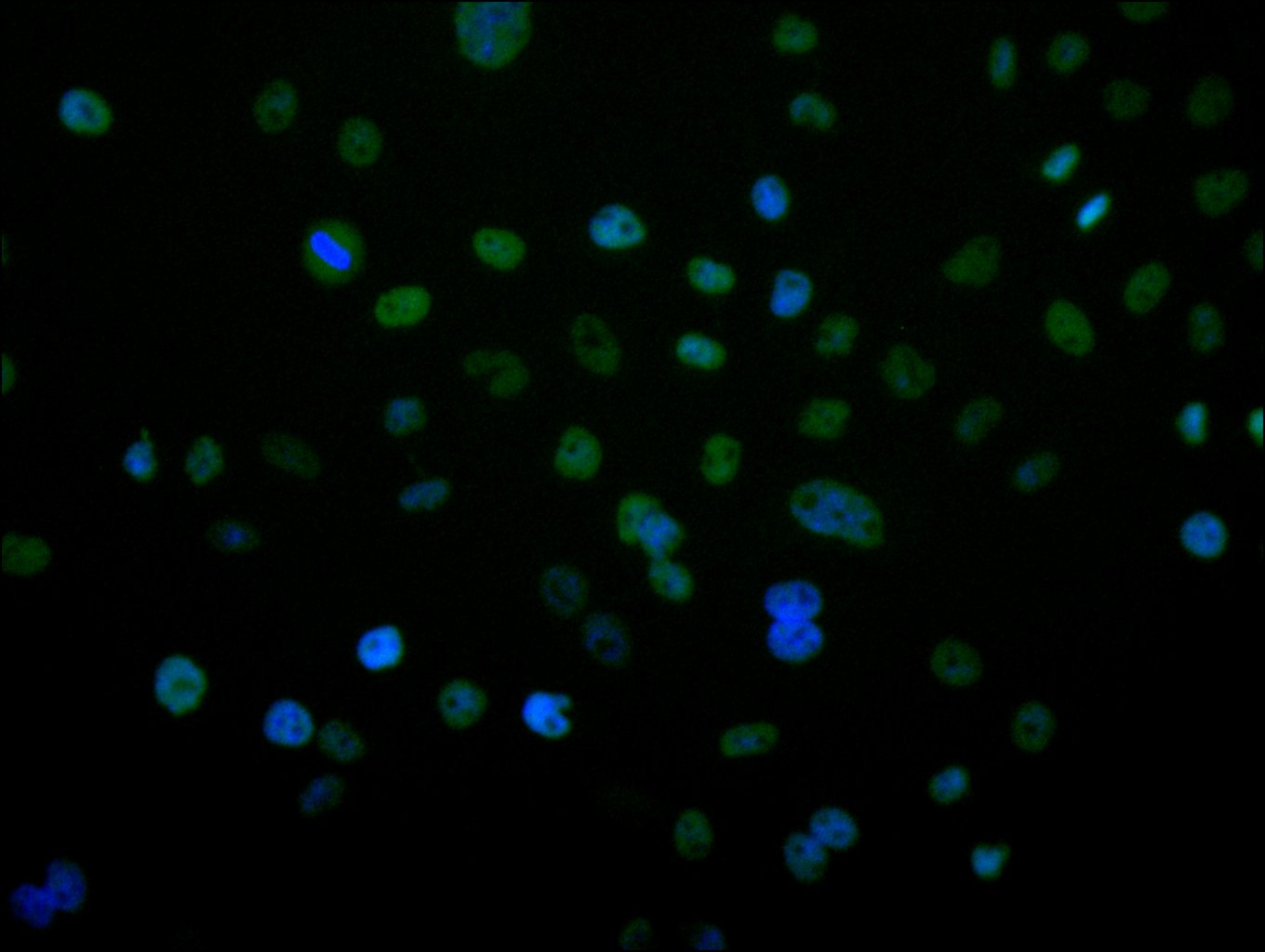
Validation studies demonstrate robust performance across multiple applications. Western blot analysis detects MCM7 in diverse human cell lines including HEK293, HeLa, Jurkat, and COLO205 lysates at dilutions ranging from 1:500 to 1:2000. The observed band at approximately 100 kDa, compared to the predicted 81 kDa molecular weight, likely reflects post-translational modifications such as phosphorylation or other regulatory modifications characteristic of this actively regulated protein. Immunohistochemistry validation in paraffin-embedded human gastric cancer and lymph node tissues confirms utility for tissue-based studies at 1:50 to 1:200 dilutions. Immunofluorescence staining in HeLa cells reveals clear nuclear localization consistent with MCM7's role in DNA replication.
This antibody supports researchers investigating cell cycle regulation, replication stress responses, and tumor proliferation markers, offering flexibility across biochemical, histological, and cell-based experimental approaches.
There are currently no reviews for this product.





