
Call us
301-363-4651 (Available 9 a.m. to 5 p.m. CST from Monday to Friday)

| Code | CSB-RA017647MA3HU |
| Size | US$210 |
| Order now | |
| Image |
|
| Have Questions? | Leave a Message or Start an on-line Chat |
| Application | Recommended Dilution |
|---|---|
| IHC | 1:50-1:200 |
PCSK9 (Proprotein Convertase Subtilisin/Kexin Type 9) has emerged as a pivotal regulator of cholesterol homeostasis, functioning primarily by promoting the degradation of LDL receptors on hepatocyte surfaces. This mechanism directly influences circulating LDL cholesterol levels, making PCSK9 a central focus in cardiovascular disease research and therapeutic development. Gain-of-function mutations in PCSK9 are associated with familial hypercholesterolemia, while loss-of-function variants confer protection against coronary heart disease, underscoring the protein's clinical significance.
This recombinant monoclonal antibody, clone 11C10, offers researchers the reproducibility and consistency that recombinant technology provides. Unlike traditional hybridoma-derived antibodies, this sequence-defined reagent ensures lot-to-lot uniformity, enabling reliable comparison of results across extended studies and between laboratories. The human IgG1 isotype format and affinity-chromatography purification contribute to a well-characterized reagent suitable for demanding experimental workflows.
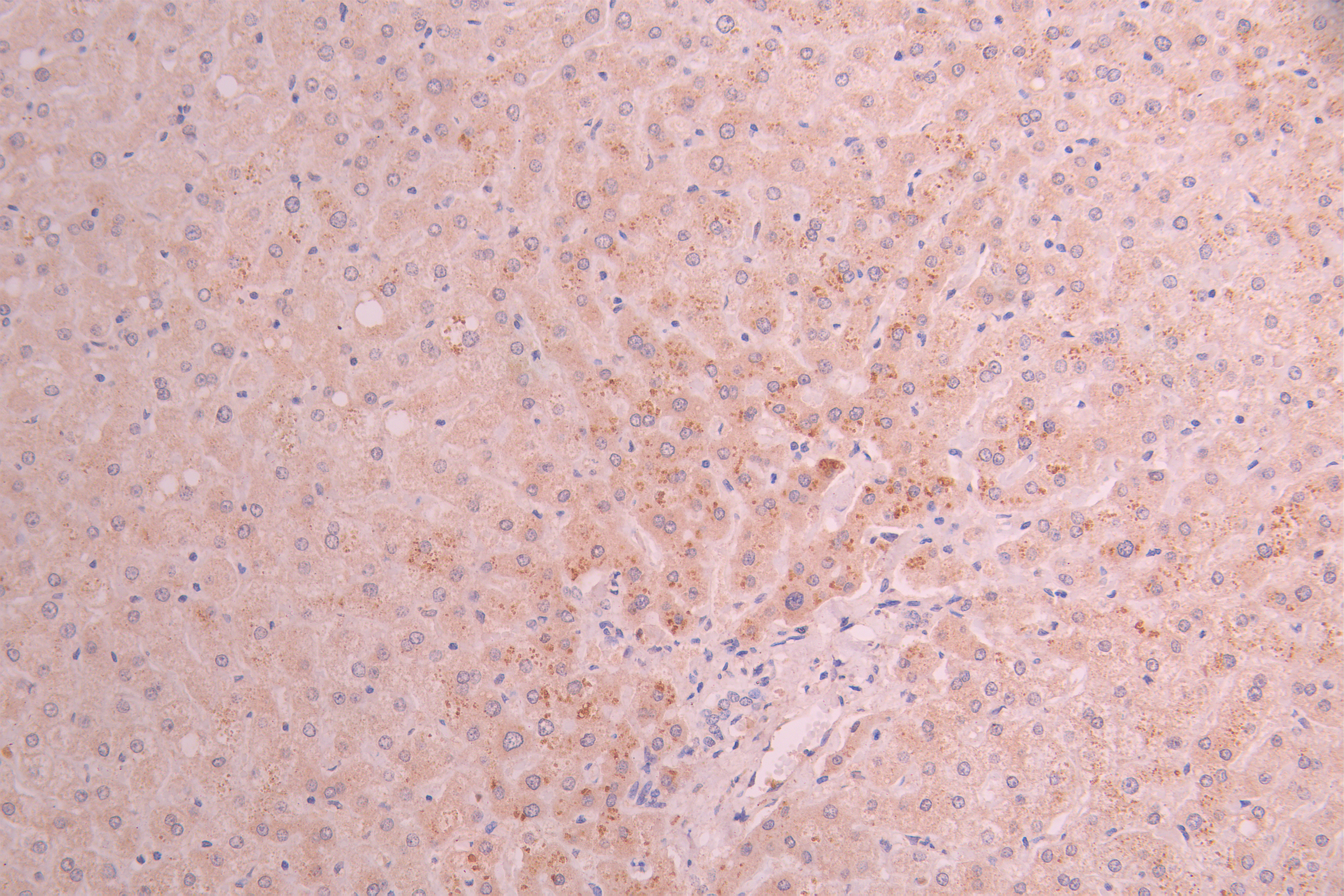
Validated for immunohistochemistry applications, this antibody has been tested in paraffin-embedded human liver tissue, a physiologically relevant sample type given the liver's central role in PCSK9 expression and cholesterol metabolism. Working dilutions between 1:50 and 1:200 provide flexibility for optimization across different tissue preparations and detection systems. The antibody is also suitable for ELISA applications, offering additional experimental versatility.
Supplied in a glycerol-based PBS buffer for stability, this antibody supports investigations into lipid metabolism, cardiovascular disease mechanisms, and the growing field of PCSK9-targeted therapeutics. Researchers studying hepatic biology, familial hypercholesterolemia, or LDL receptor regulation will find this reagent well-suited to their immunohistochemical analyses.
There are currently no reviews for this product.





