
Call us
301-363-4651 (Available 9 a.m. to 5 p.m. CST from Monday to Friday)

| Code | CSB-RA286943A0HU |
| Size | US$210 |
| Order now | |
| Image |
|
| Have Questions? | Leave a Message or Start an on-line Chat |
| Application | Recommended Dilution |
|---|---|
| WB | 1:500-1:5000 |
| IHC | 1:50-1:200 |
| IF | 1:50-1:200 |
| FC | 1:50-1:200 |
Sterol carrier protein 2 (SCP2), also known as non-specific lipid-transfer protein, plays a central role in intracellular lipid trafficking and metabolism. This multifunctional protein facilitates the transfer of various lipids between membranes and participates in peroxisomal fatty acid oxidation, making it a significant target for researchers investigating lipid homeostasis, metabolic disorders, and signal transduction pathways.
This recombinant monoclonal antibody against SCP2 offers the reproducibility and consistency that demanding experimental workflows require. Developed using recombinant technology with a defined sequence, clone 11E6 eliminates the lot-to-lot variability often encountered with traditional hybridoma-derived antibodies, ensuring your results remain comparable across extended studies and collaborative projects.
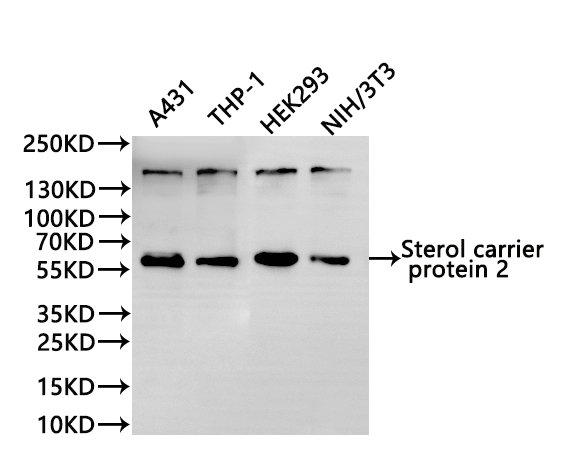
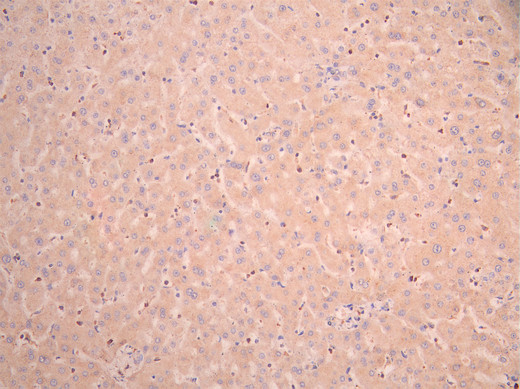
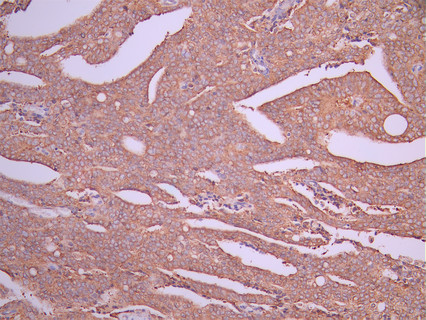
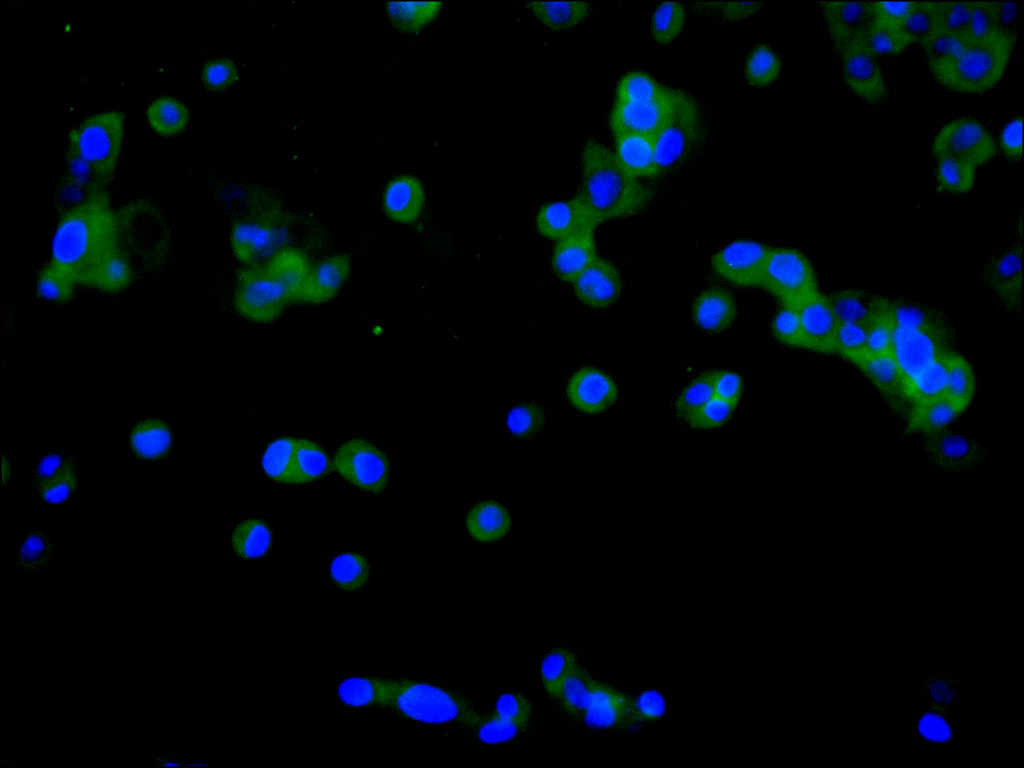
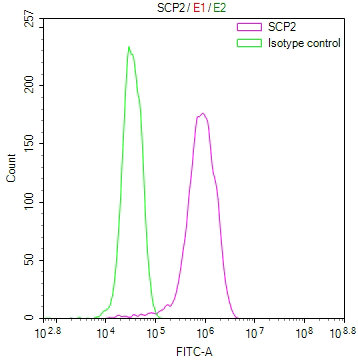
Extensive validation across multiple applications provides flexibility for diverse experimental approaches. Western blot analysis demonstrates clean detection of the expected 59 kDa band in human cell lines including A431, THP-1, and HEK293, as well as mouse NIH/3T3 cells, confirming cross-species reactivity between human and mouse samples. Immunohistochemistry has been successfully performed on paraffin-embedded human liver tissue and prostate cancer specimens, revealing tissue-specific expression patterns relevant to metabolic and oncology research. For cellular localization studies, immunofluorescence staining in HepG2 cells and flow cytometry analysis in MCF-7 cells have been validated, enabling detailed investigation of SCP2 distribution and expression levels at the single-cell level.
Whether you are exploring lipid metabolism in hepatocytes, investigating metabolic alterations in cancer models, or characterizing signal transduction mechanisms, this antibody delivers the performance and versatility needed to advance your research with confidence.
There are currently no reviews for this product.





