
Call us
301-363-4651 (Available 9 a.m. to 5 p.m. CST from Monday to Friday)

| Code | CSB-RA020888MA1HU |
| Size | US$210 |
| Order now | |
| Image |
|
| Have Questions? | Leave a Message or Start an on-line Chat |
| Application | Recommended Dilution |
|---|---|
| IHC | 1:50-1:200 |
| IF | 1:50-1:200 |
Syndecan-1 (SDC1), also widely recognized as CD138, serves as a critical cell surface heparan sulfate proteoglycan that mediates cell-matrix interactions and modulates growth factor signaling pathways. This transmembrane protein plays essential roles in cell proliferation, migration, and differentiation, making it a valuable marker in cancer research where its expression patterns correlate with tumor progression and metastatic potential. In plasma cell biology, CD138 remains the definitive marker for identifying these cells, establishing its importance in hematological malignancies and stem cell research.
This recombinant monoclonal antibody, clone 4D4, offers researchers the reproducibility advantages inherent to sequence-defined antibody production. Unlike traditional hybridoma-derived antibodies, recombinant manufacturing ensures consistent performance across lots, eliminating the variability that can compromise longitudinal studies or multi-site collaborations. The human IgG1 isotype format and affinity-chromatography purification deliver a reagent optimized for demanding immunodetection workflows.
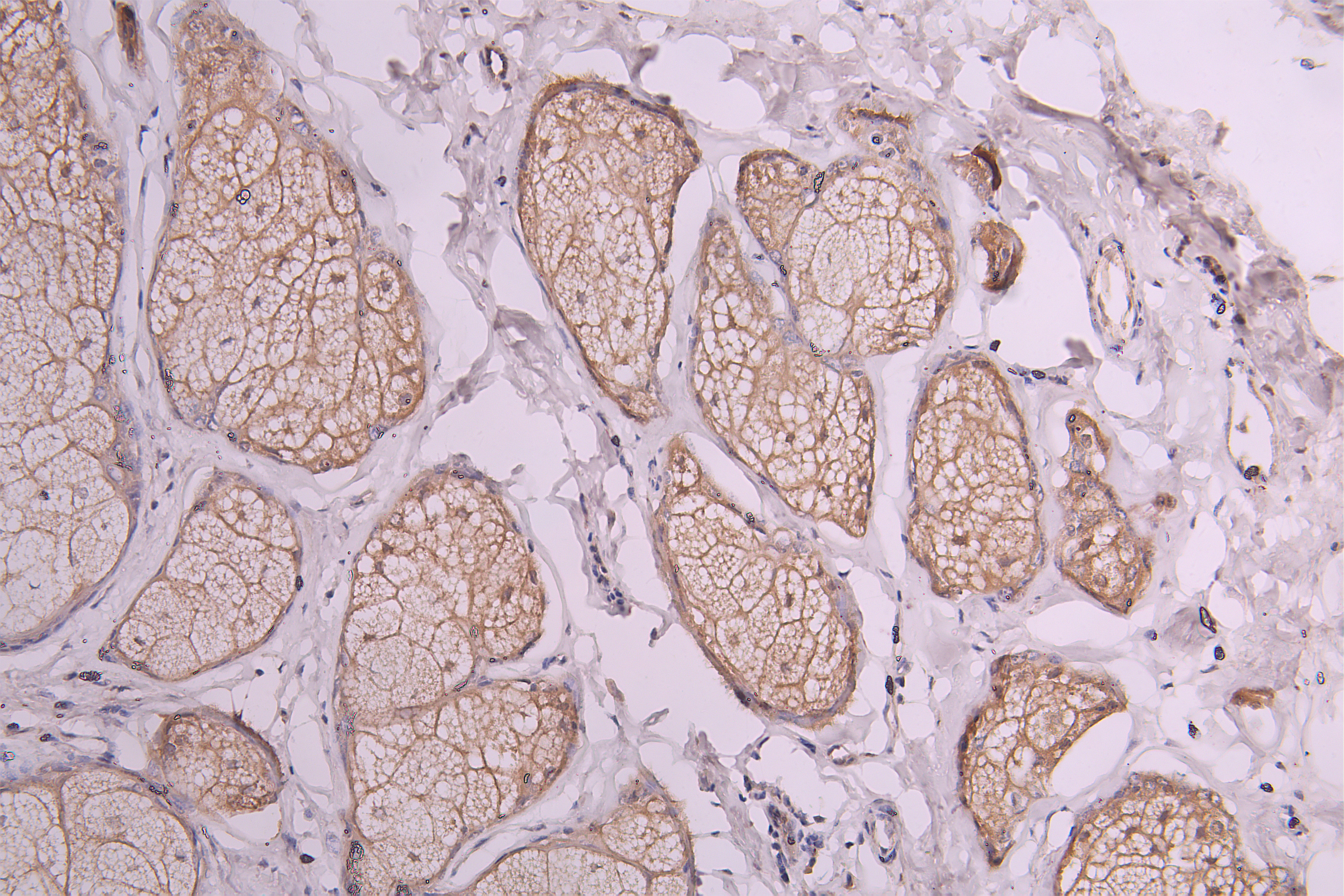
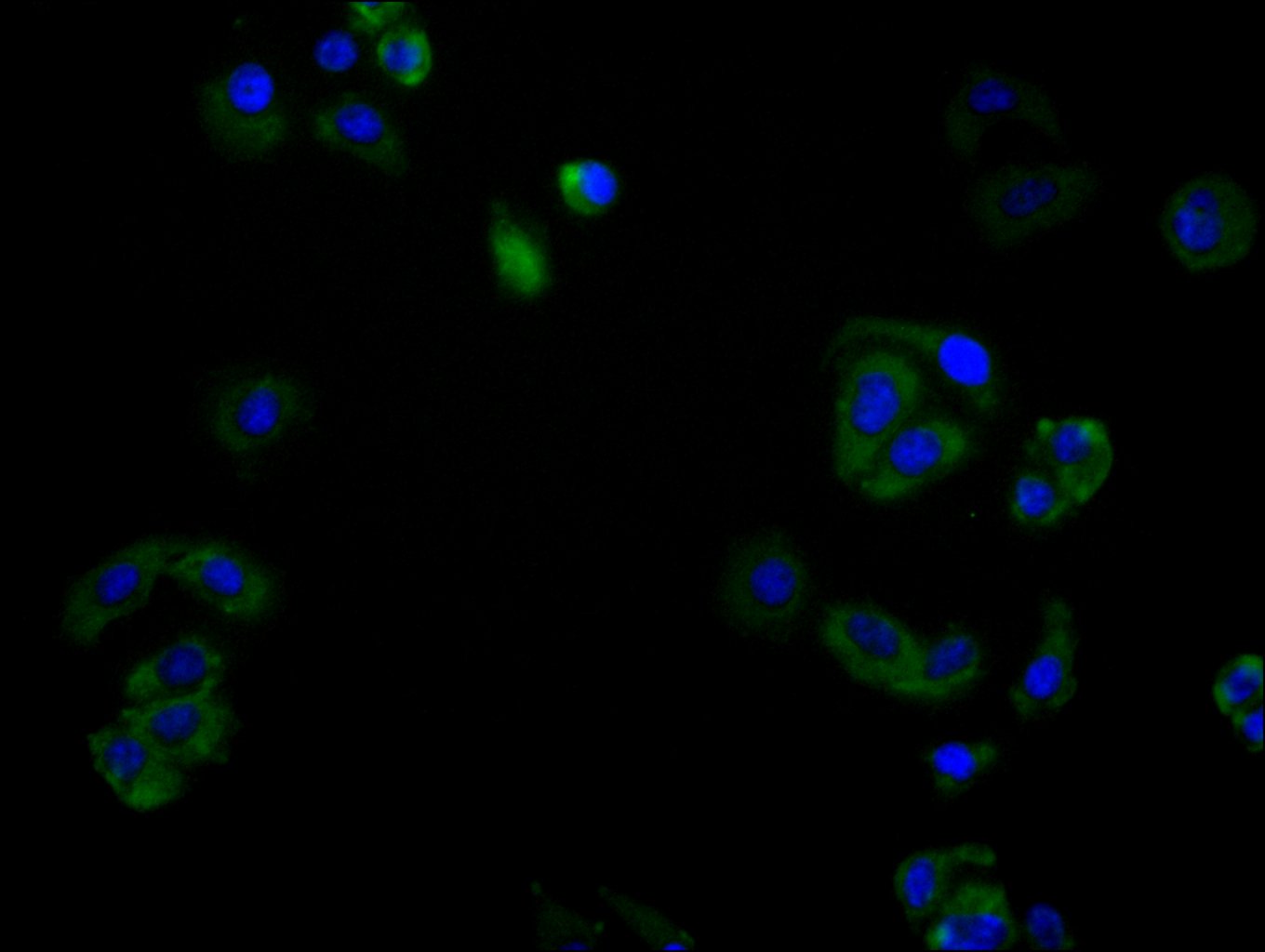
Validation studies demonstrate reliable performance across multiple applications. Immunohistochemistry on paraffin-embedded human skin tissue using citrate buffer antigen retrieval shows specific staining at dilutions between 1:50 and 1:200, with testing performed at 1:300 on a Leica Bond system. Immunofluorescence analysis in HeLa cells confirms membrane and cytoplasmic localization patterns consistent with syndecan-1 biology, with effective staining observed at 1:80 dilution.
This antibody supports investigations spanning neuroscience, oncology, metabolic regulation, and signal transduction research. Its validated performance in both tissue sections and cultured cells provides workflow flexibility for researchers examining SDC1 expression across diverse experimental contexts, from tumor microenvironment studies to stem cell characterization.
There are currently no reviews for this product.





