
Call us
301-363-4651 (Available 9 a.m. to 5 p.m. CST from Monday to Friday)

| Code | CSB-RA624105MA1HU |
| Size | US$210 |
| Order now | |
| Image |
|
| Have Questions? | Leave a Message or Start an on-line Chat |
| Application | Recommended Dilution |
|---|---|
| IHC | 1:50-1:200 |
| IF | 1:50-1:200 |
ACKR1, also known as the Duffy antigen/chemokine receptor or CD234, serves as an atypical chemokine receptor with significant roles in both immunology and infectious disease research. Unlike conventional chemokine receptors, ACKR1 functions as a chemokine sink, binding and internalizing inflammatory chemokines without triggering classical G-protein signaling. This receptor holds particular importance in malaria research as the entry point for Plasmodium vivax into red blood cells, while its expression on endothelial cells influences leukocyte trafficking and vascular inflammation.
This recombinant monoclonal antibody, clone 18B4, offers researchers the consistency and reproducibility that sequence-defined antibody production provides. Generated against recombinant human ACKR1 protein and expressed as a human IgG1 isotype, this antibody eliminates the lot-to-lot variability that can compromise longitudinal studies and multi-site collaborations. The affinity-chromatography purification ensures high purity for demanding applications.
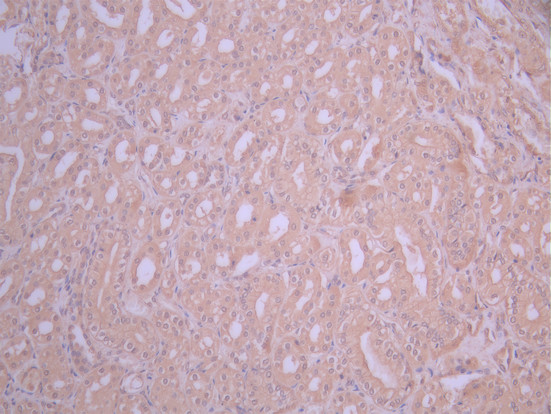
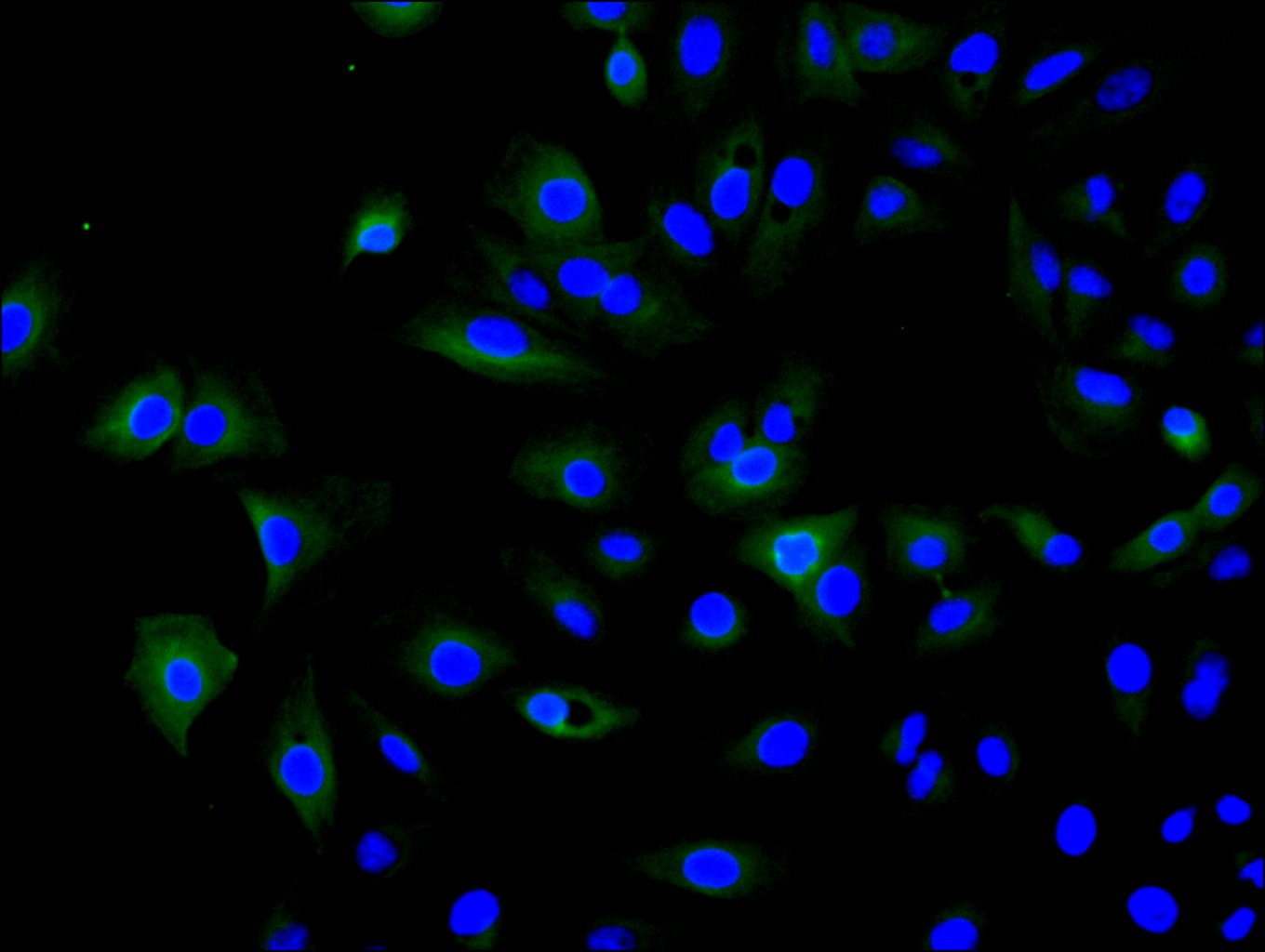
Validation studies demonstrate reliable performance across multiple experimental platforms. Immunohistochemistry on paraffin-embedded human kidney tissue using citrate buffer antigen retrieval shows specific staining at dilutions between 1:50 and 1:200, making this antibody suitable for investigating ACKR1 expression in archival tissue samples. Immunofluorescence studies in A549 cells confirm utility for cellular localization experiments, with validated performance at 1:30 dilution following formaldehyde fixation and Triton X-100 permeabilization. The antibody is also validated for ELISA applications.
For investigators studying cardiovascular biology, chemokine regulation, or Plasmodium vivax pathogenesis, this antibody provides a dependable tool for examining ACKR1 expression and distribution in human samples across tissue-based and cell-based experimental workflows.
There are currently no reviews for this product.





