
Call us
301-363-4651 (Available 9 a.m. to 5 p.m. CST from Monday to Friday)

| Code | CSB-RA967272A0HU |
| Size | US$210 |
| Order now | |
| Image |
|
| Have Questions? | Leave a Message or Start an on-line Chat |
| Application | Recommended Dilution |
|---|---|
| WB | 1:500-1:2000 |
| IHC | 1:50-1:200 |
| IF | 1:50-1:200 |
| FC | 1:50-1:200 |
ACTL6A, also known as BAF53A, serves as a critical component of chromatin remodeling complexes including the SWI/SNF (BAF) and INO80 complexes. This actin-related protein plays essential roles in regulating gene expression, DNA repair, and cell cycle progression, making it a significant target for researchers investigating epigenetic regulation, stem cell biology, and cancer development where chromatin remodeling pathways are frequently dysregulated.
This recombinant monoclonal antibody, generated from clone 6F9 in rabbit host, offers the reproducibility and consistency that demanding experimental workflows require. Because the antibody sequence is defined and produced recombinantly, researchers can expect reliable performance across experiments and over time, eliminating the lot-to-lot variability that can complicate long-term studies or multi-site collaborations.
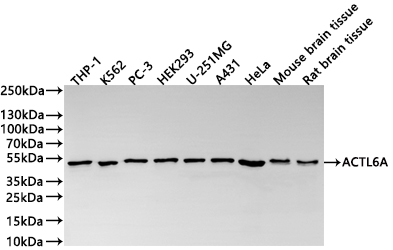
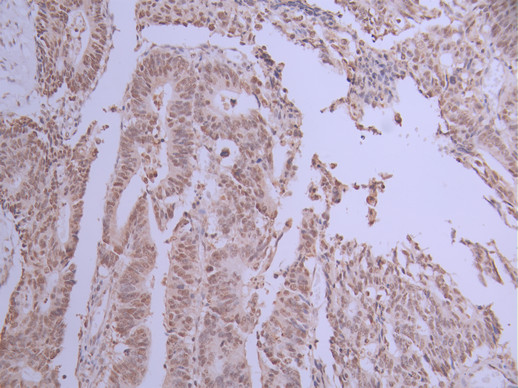
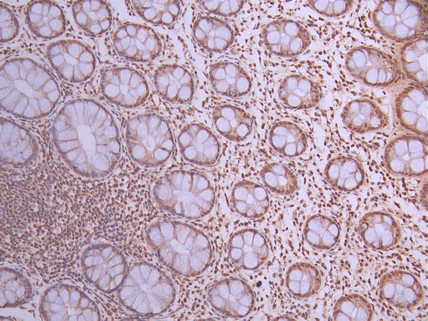
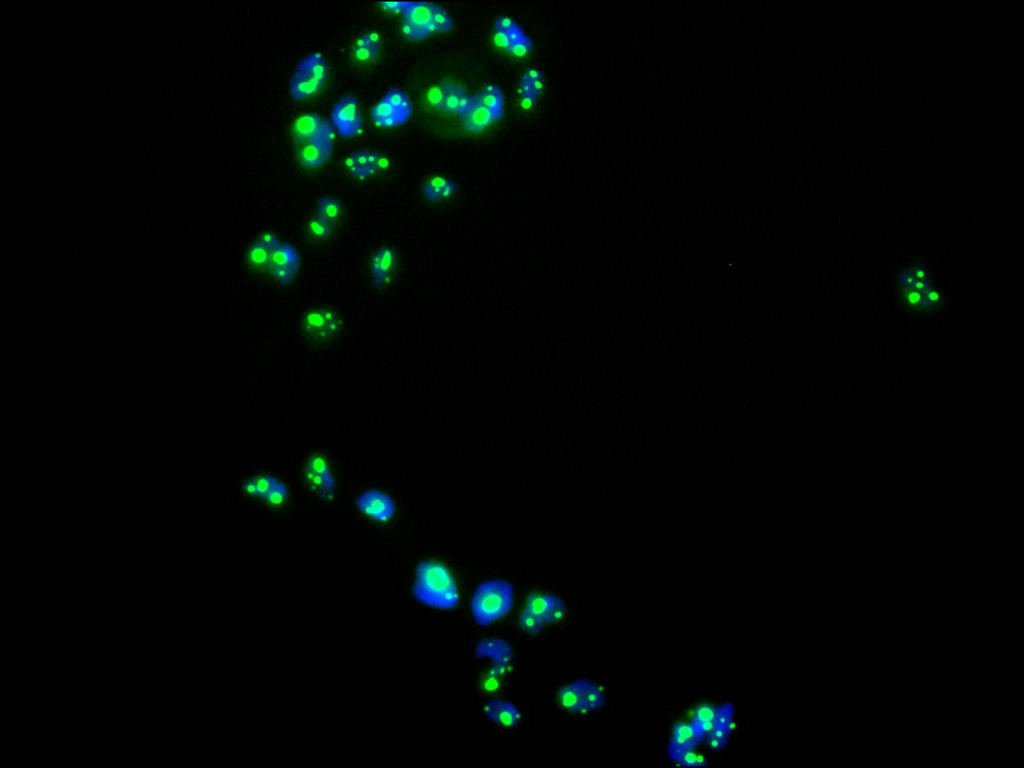
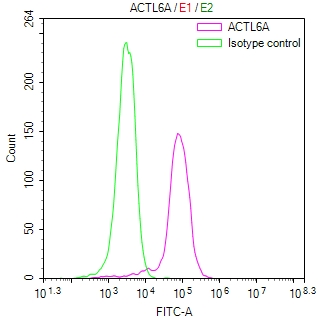
Extensive validation demonstrates this antibody's versatility across multiple applications. Western blot analysis confirms specific detection at the expected 47 kDa molecular weight across a diverse panel of human cell lines including THP-1, K562, PC-3, HEK293, U-251MG, A431, and HeLa cells. Cross-species reactivity extends to mouse and rat, as confirmed by successful detection in brain tissue lysates from both species, supporting translational research using rodent models. Immunohistochemistry validation in human colorectal cancer and small intestine tissues demonstrates clear staining patterns suitable for tissue-based studies. The antibody also performs reliably in immunofluorescence applications, showing distinct nuclear localization in A431 cells, and flow cytometry analysis of MCF-7 cells reveals robust signal separation from isotype controls.
This antibody supports investigations into chromatin biology, transcriptional regulation, neural development, and oncology research where understanding BAF complex function is essential.
There are currently no reviews for this product.





