
Call us
301-363-4651 (Available 9 a.m. to 5 p.m. CST from Monday to Friday)

| Code | CSB-RA001492MA1HU |
| Size | $49.9 |
| Order now | |
| Promotion |

|
| Image |
|
| Have Questions? | Leave a Message or Start an on-line Chat |
| Application | Recommended Dilution |
|---|---|
| IHC | 1:50-1:200 |
| IF | 1:50-1:200 |
| FC | 1:50-1:200 |
AIFM1, also known as Apoptosis-Inducing Factor 1, plays a central role in caspase-independent programmed cell death and mitochondrial function. This flavoprotein translocates from mitochondria to the nucleus upon apoptotic stimuli, where it triggers chromatin condensation and DNA fragmentation. Beyond its apoptotic functions, AIFM1 contributes to mitochondrial respiratory chain assembly and redox metabolism, making it a compelling target for researchers investigating cancer biology, metabolic disorders, and neurodegenerative conditions including Cowchock syndrome and other inherited neuropathies.
This recombinant monoclonal antibody, clone 16D10, offers the reproducibility and consistency that demanding experimental workflows require. Generated against recombinant human AIFM1 protein and produced using recombinant technology, this antibody delivers sequence-defined specificity with minimal lot-to-lot variation, ensuring your results remain comparable across extended studies and collaborative projects.
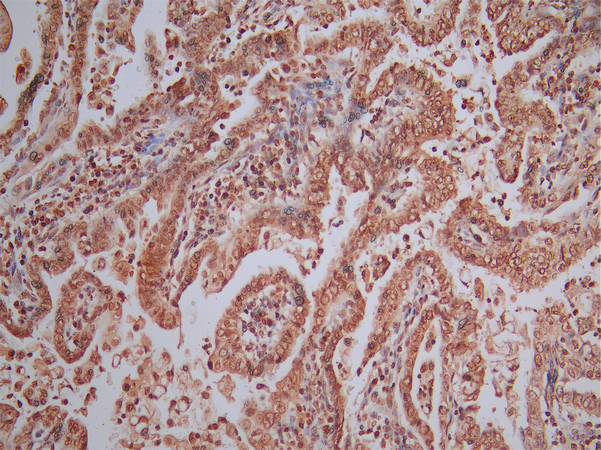
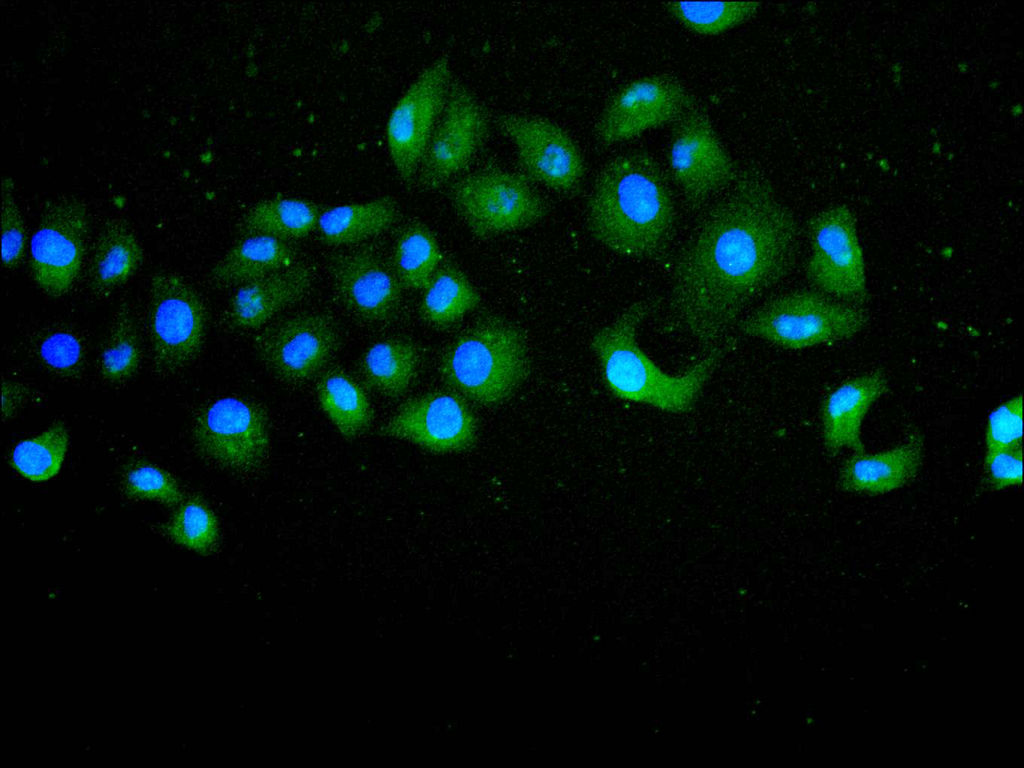
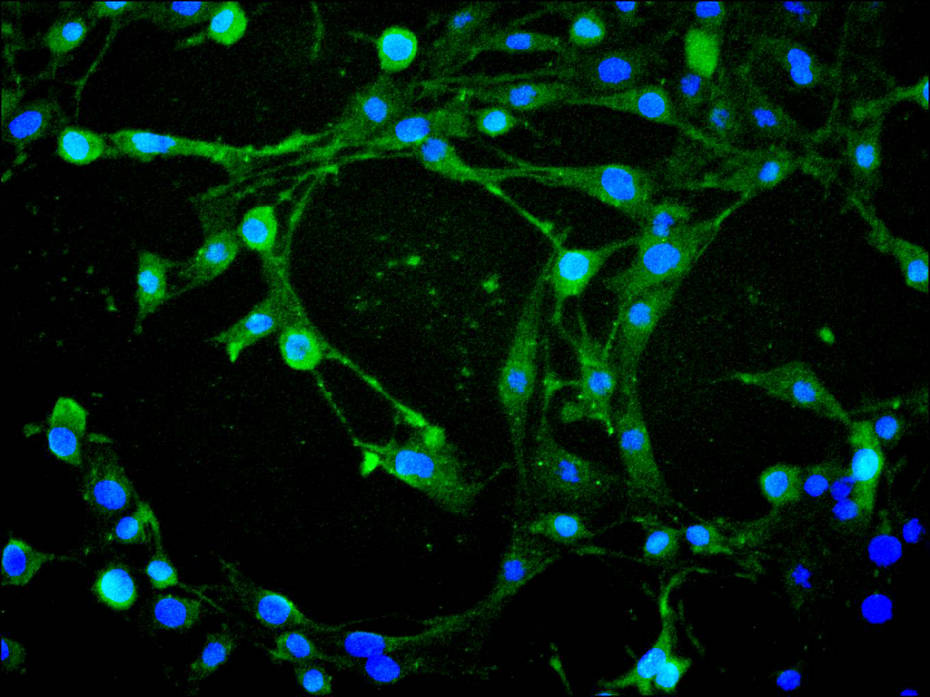
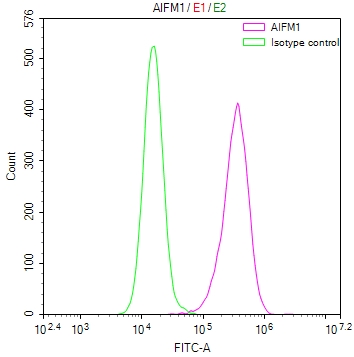
Validation across multiple platforms demonstrates genuine experimental flexibility. Immunohistochemistry staining of paraffin-embedded human endometrial cancer tissue reveals clear detection at dilutions from 1:50 to 1:200, providing options to optimize signal intensity for your specific tissue preparations. Immunofluorescence studies in both HeLa and MCF7 cell lines confirm robust cytoplasmic and mitochondrial localization patterns consistent with AIFM1's known subcellular distribution. Flow cytometry analysis using HeLa cells shows distinct positive population shifts compared to isotype controls, supporting quantitative applications in cell-based assays.
Whether you're examining apoptotic pathway activation in cancer models, investigating mitochondrial dysfunction in metabolic disease, or exploring epigenetic regulation through AIFM1's nuclear translocation, this antibody provides a reliable detection tool validated across immunohistochemistry, immunofluorescence, flow cytometry, and ELISA applications.
There are currently no reviews for this product.





