
Call us
301-363-4651 (Available 9 a.m. to 5 p.m. CST from Monday to Friday)

| Code | CSB-RA001936MA1HU |
| Size | $49.9 |
| Order now | |
| Promotion |

|
| Image |
|
| Have Questions? | Leave a Message or Start an on-line Chat |
| Application | Recommended Dilution |
|---|---|
| ELISA | 1:5000-1:50000 |
| IHC | 1:50-1:200 |
| IF | 1:50-1:200 |
| FC | 1:50-1:200 |
Apolipoprotein E plays a central role in lipid metabolism and cholesterol transport, serving as a ligand for receptors that mediate the clearance of lipoprotein particles from circulation. Beyond its metabolic functions, APOE has emerged as a critical focus in neuroscience research, particularly given the well-established association between APOE genetic variants and Alzheimer's disease risk. Understanding APOE expression patterns and protein interactions remains essential for researchers investigating neurodegenerative mechanisms, cardiovascular disease, and hepatic lipid processing.
This recombinant monoclonal antibody targeting human APOE offers the reproducibility and consistency that demanding research applications require. As a sequence-defined reagent produced through recombinant technology, it eliminates the lot-to-lot variability inherent in traditional hybridoma-derived antibodies, ensuring your experimental conditions remain stable across extended studies and collaborative projects. The defined clone identity provides confidence when comparing results over time or between laboratories.
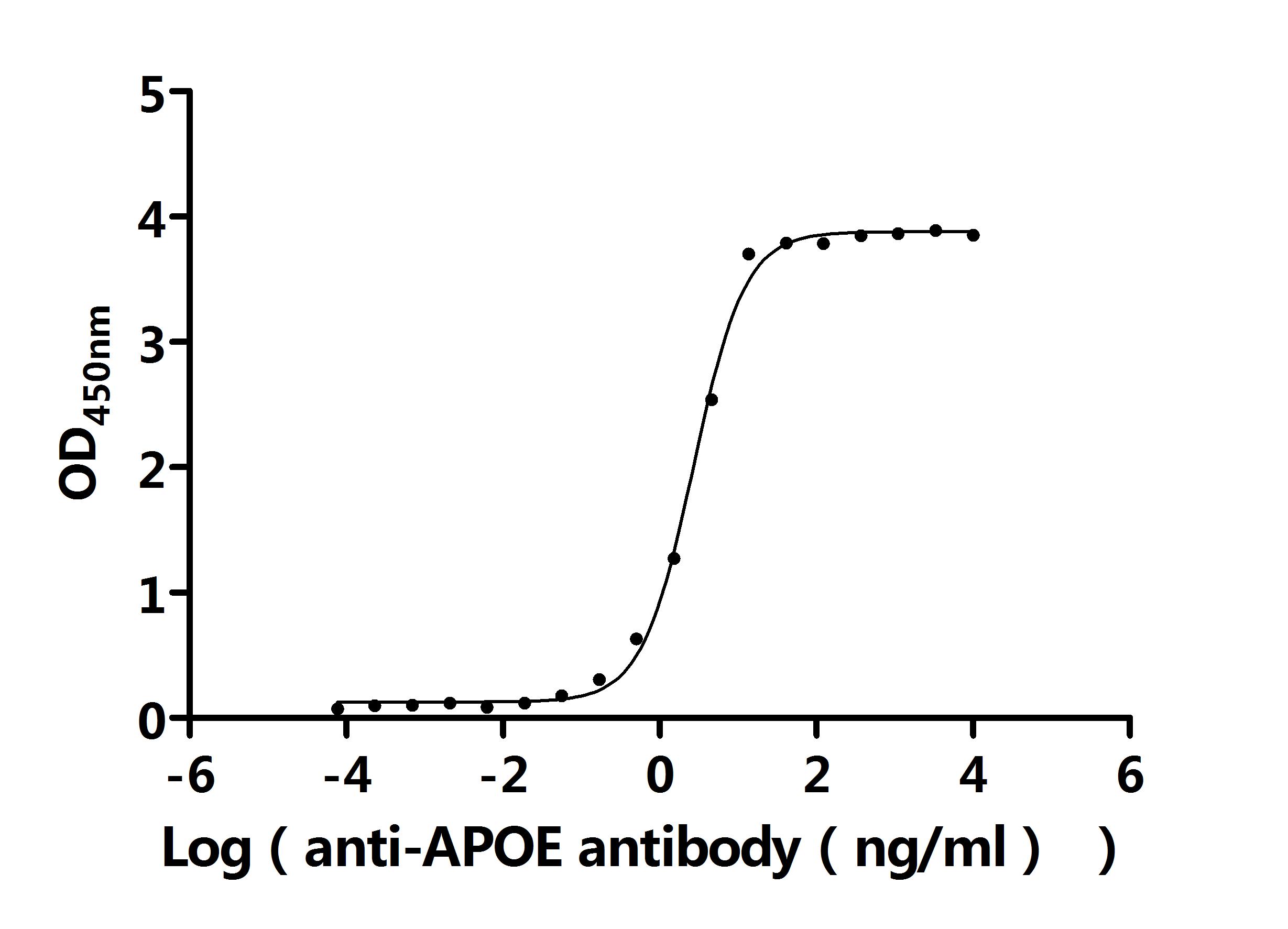
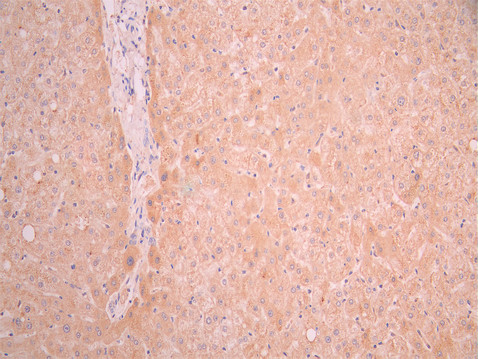
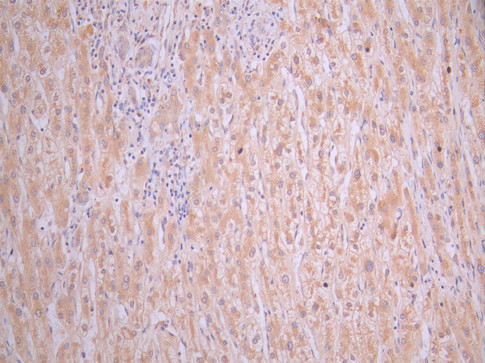
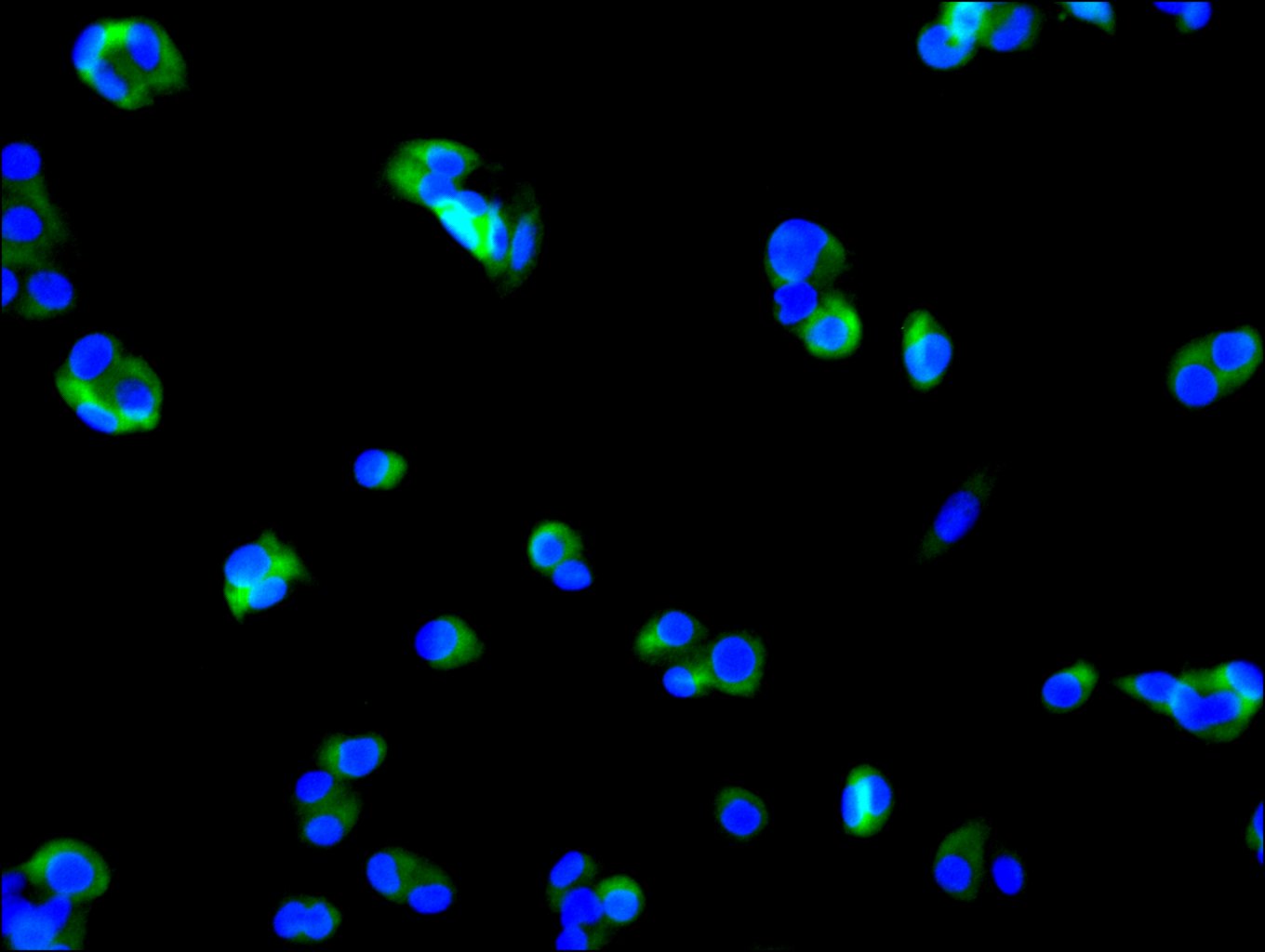
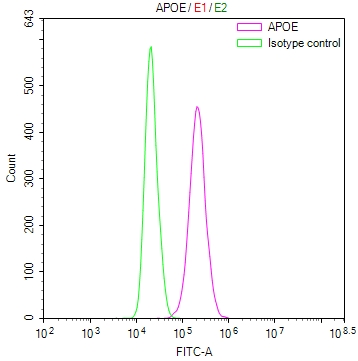
Validation data demonstrates robust performance across multiple experimental platforms. Functional ELISA testing confirms strong binding activity to human APOE with an EC50 in the low nanogram per milliliter range, indicating high sensitivity for detection applications. Immunohistochemistry studies have successfully visualized APOE in paraffin-embedded human liver tissue and liver cancer samples, revealing expression patterns relevant to hepatic lipid metabolism research. Immunofluorescence and flow cytometry applications have been validated using HepG2 cells, a hepatocellular carcinoma line commonly employed in lipid biology studies.
This versatility across tissue sections, cultured cells, and plate-based assays provides researchers with flexibility to address APOE biology through complementary approaches. Whether investigating APOE's role in neurodegeneration, hepatic function, or lipoprotein metabolism, this antibody delivers the technical reliability needed for meaningful experimental outcomes.
There are currently no reviews for this product.





