
Call us
301-363-4651 (Available 9 a.m. to 5 p.m. CST from Monday to Friday)

| Code | CSB-RA143705A0HU |
| Size | US$210 |
| Order now | |
| Image |
|
| Have Questions? | Leave a Message or Start an on-line Chat |
| Application | Recommended Dilution |
|---|---|
| WB | 1:500-1:2000 |
| IHC | 1:50-1:200 |
| FC | 1:50-1:200 |
BID (BH3-interacting domain death agonist) serves as a critical mediator in the intrinsic apoptotic pathway, functioning as a molecular link between death receptor signaling and mitochondrial-mediated cell death. Upon cleavage by caspase-8, truncated BID translocates to mitochondria where it promotes cytochrome c release, making it an essential target for researchers investigating apoptosis regulation, cancer biology, and therapeutic resistance mechanisms.
This recombinant monoclonal antibody, generated from clone 3C9 in rabbit host, offers the reproducibility and consistency that demanding apoptosis research requires. Because the antibody sequence is defined and production occurs through recombinant expression, researchers can expect reliable performance across experiments and between lots—a significant advantage when building long-term datasets or conducting studies requiring precise quantification of BID expression levels.
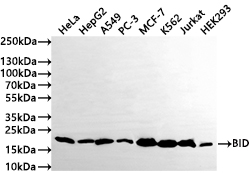
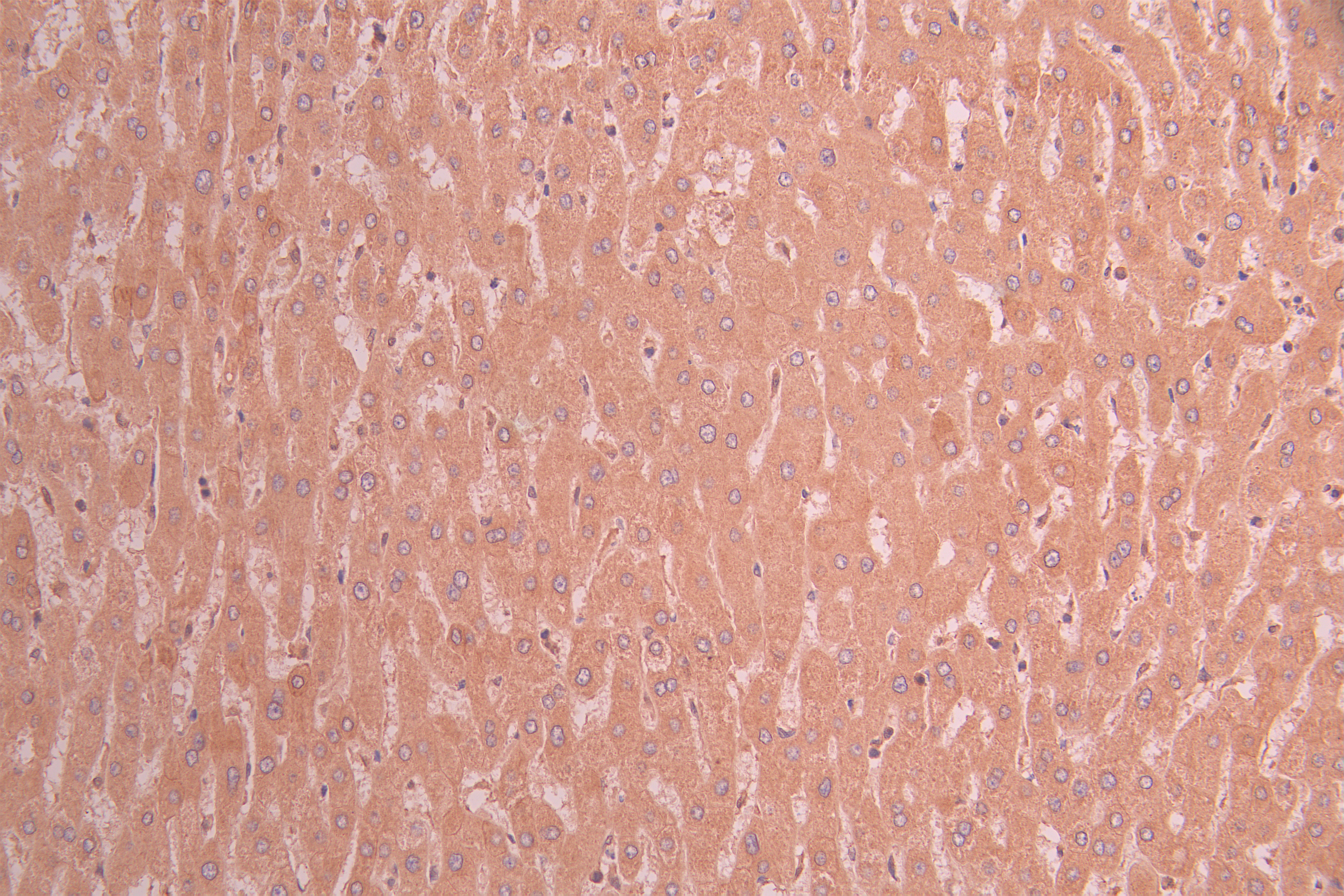
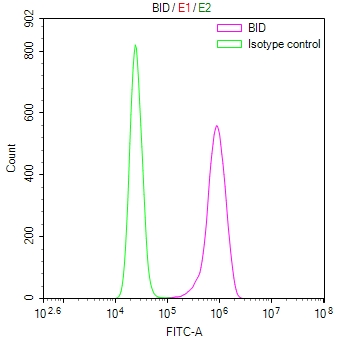
Validation across multiple experimental platforms demonstrates this antibody's versatility in your workflow. Western blot analysis confirms specific detection of BID at the expected 22 kDa molecular weight across a diverse panel of human cell lines, including HeLa, HepG2, A549, PC-3, MCF-7, K562, Jurkat, and HEK293 lysates at 1:1000 dilution. This broad validation across epithelial, hepatic, and hematopoietic cell types provides confidence when working with various experimental models. Immunohistochemistry staining has been optimized in paraffin-embedded human liver cancer tissue at 1:100 dilution, while flow cytometry analysis in HeLa cells demonstrates clear positive signal separation from isotype controls.
Whether you are characterizing apoptotic pathway activation in cancer models, investigating BID cleavage dynamics, or examining expression patterns in tissue specimens, this antibody provides the specificity and application flexibility needed for rigorous apoptosis research.
There are currently no reviews for this product.





