
Call us
301-363-4651 (Available 9 a.m. to 5 p.m. CST from Monday to Friday)

| Code | CSB-RA270924A0HU |
| Size | US$210 |
| Order now | |
| Image |
|
| Have Questions? | Leave a Message or Start an on-line Chat |
| Application | Recommended Dilution |
|---|---|
| WB | 1:500-1:5000 |
| IHC | 1:50-1:200 |
| IF | 1:50-1:200 |
| FC | 1:50-1:200 |
IGF2BP2 (Insulin-like growth factor 2 mRNA-binding protein 2) plays a critical role in post-transcriptional gene regulation by controlling mRNA stability, localization, and translation. This RNA-binding protein has garnered significant research attention due to its involvement in metabolic regulation, cellular proliferation, and its emerging role as a prognostic marker in various malignancies, including hepatocellular carcinoma where it was originally identified as autoantigen p62.
This recombinant monoclonal antibody, clone 13C3, offers the reproducibility and consistency that demanding research workflows require. Produced using recombinant technology with a defined sequence, it eliminates the lot-to-lot variability that can compromise longitudinal studies and multi-site collaborations. The rabbit host and monoclonal nature ensure high specificity for human IGF2BP2, while affinity chromatography purification delivers a clean reagent ready for sensitive applications.
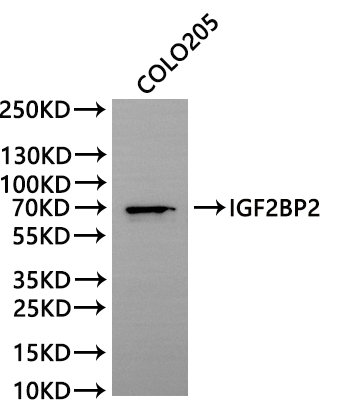
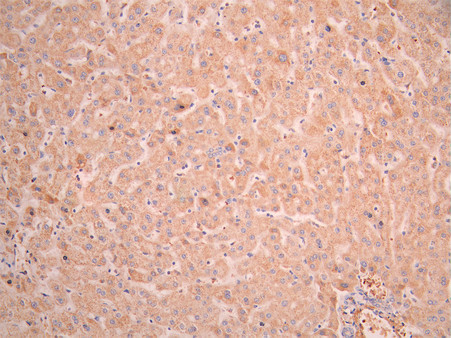
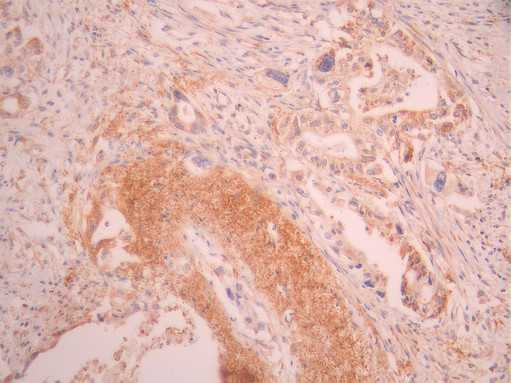
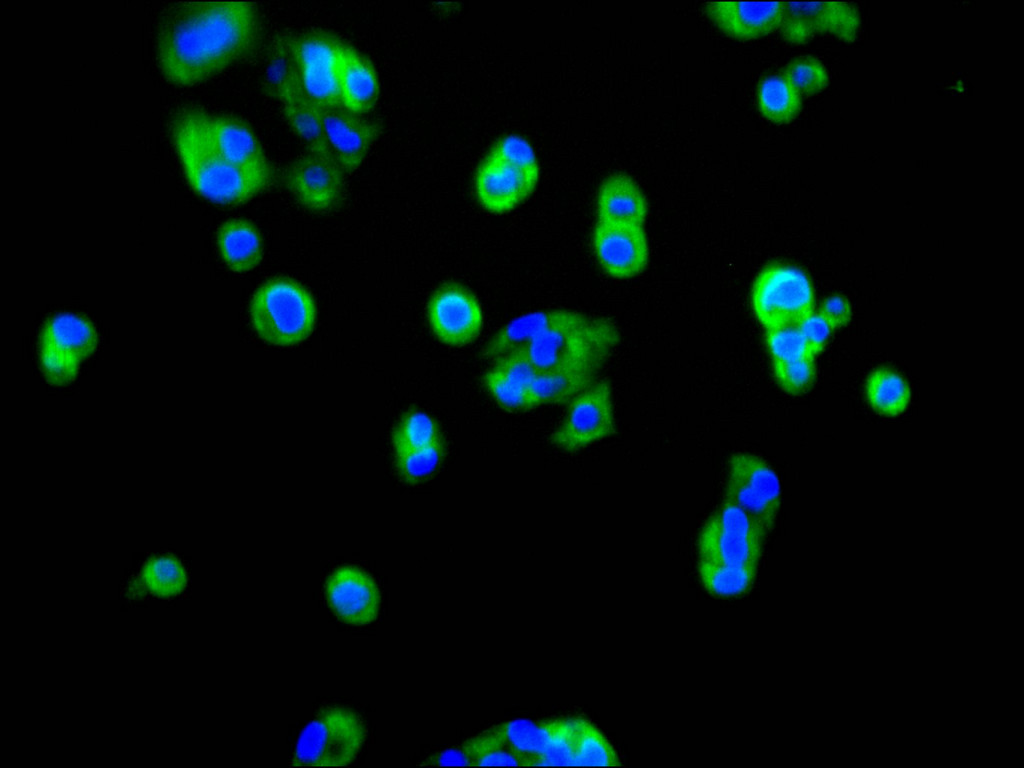
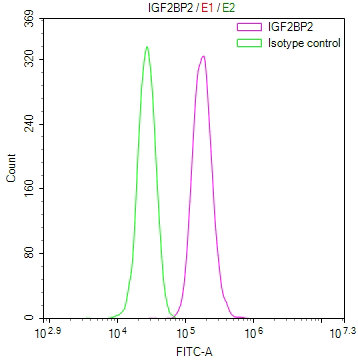
Validation across multiple platforms demonstrates genuine experimental flexibility. Western blot analysis in COLO205 whole cell lysate reveals a band at approximately 70 kDa, slightly above the predicted 66 kDa molecular weight—a difference likely attributable to post-translational modifications common to RNA-binding proteins. Immunohistochemistry has been successfully performed in paraffin-embedded human liver tissue and pancreatic cancer specimens, enabling tissue-level expression studies in both normal and pathological contexts. For cellular localization studies, immunofluorescence staining in HepG2 hepatocellular carcinoma cells confirms robust detection, while flow cytometry validation in the same cell line supports quantitative single-cell analysis applications.
Whether investigating IGF2BP2's contributions to metabolic disease, exploring its oncogenic functions, or characterizing its role in epigenetic and nuclear signaling pathways, this antibody provides a reliable tool for advancing your research objectives.
There are currently no reviews for this product.





