
Call us
301-363-4651 (Available 9 a.m. to 5 p.m. CST from Monday to Friday)

| Code | CSB-RA619076MA1HU |
| Size | US$210 |
| Order now | |
| Image |
|
| Have Questions? | Leave a Message or Start an on-line Chat |
| Application | Recommended Dilution |
|---|---|
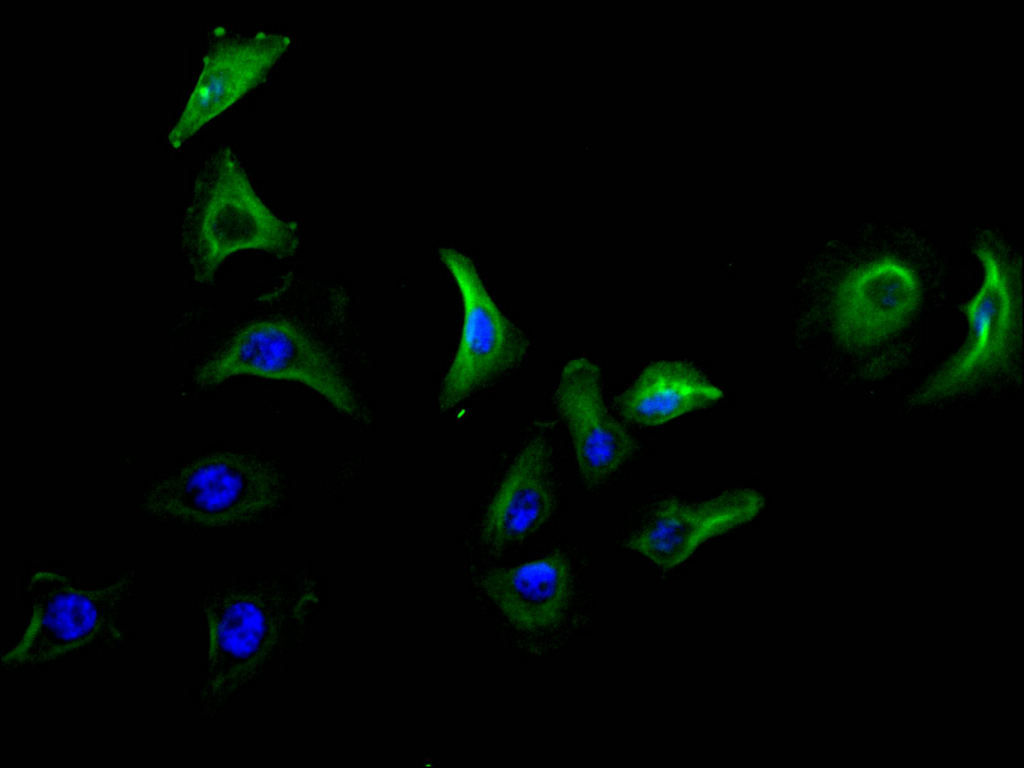
| IF | 1:50-1:200 |
LY6E, also known as stem cell antigen 2 or retinoic acid-induced gene E protein, is a GPI-anchored cell surface protein belonging to the Ly-6 superfamily. This interferon-stimulated gene plays multifaceted roles in immune regulation, viral entry modulation, and cancer biology. LY6E has garnered significant attention for its involvement in both promoting and restricting viral infections depending on the pathogen, while also serving as a marker in stem cell research and tumor immunology studies.
This recombinant monoclonal antibody, clone 29C11, offers the reproducibility and consistency that demanding research applications require. Generated against recombinant human LY6E protein and produced using recombinant technology, this antibody provides sequence-defined specificity that eliminates the lot-to-lot variability often encountered with traditional hybridoma-derived antibodies. The mouse IgG2a isotype and affinity-chromatography purification ensure reliable performance across experiments.
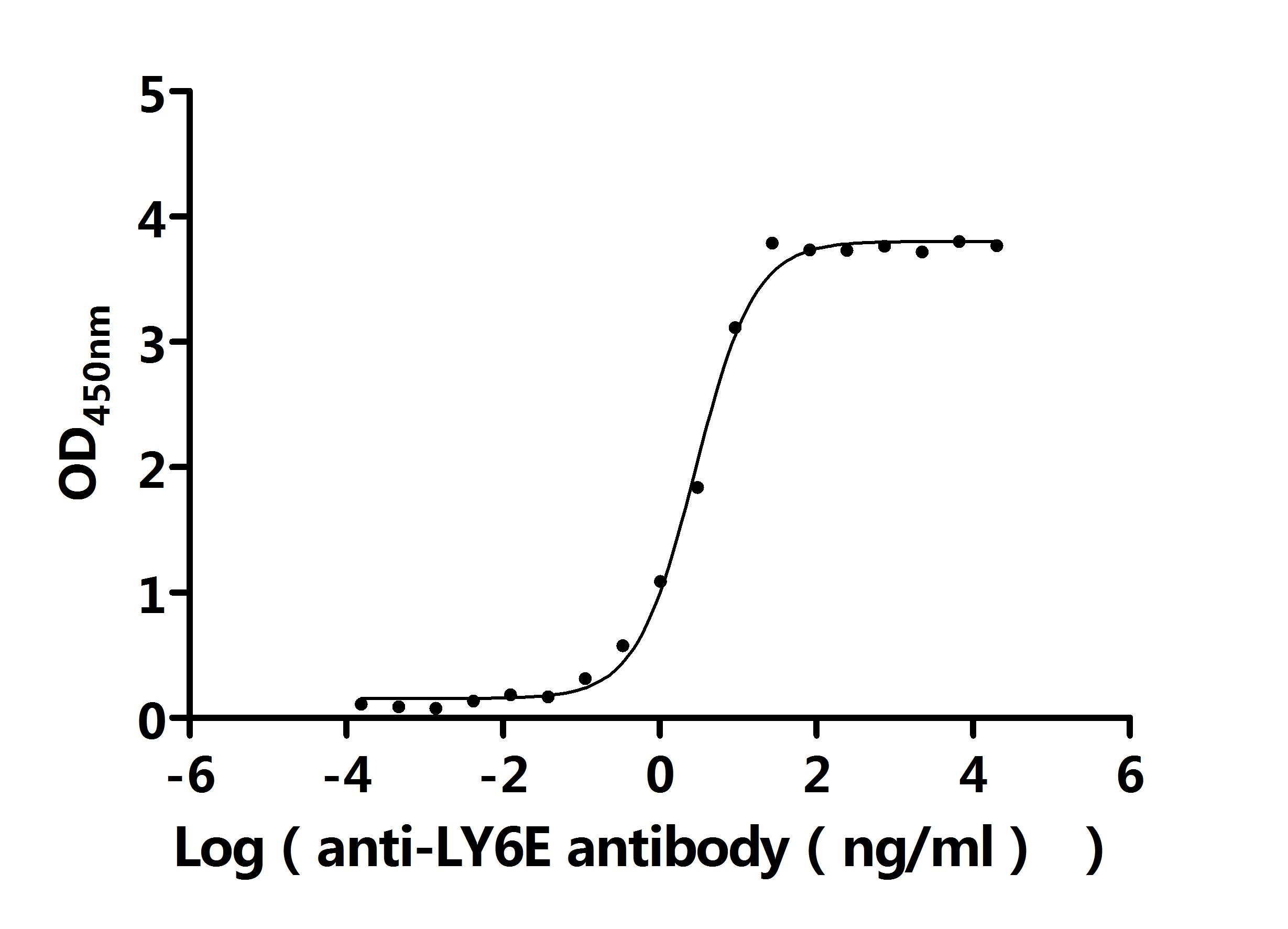
Validation studies demonstrate robust performance in immunofluorescence applications, where staining of A549 human lung carcinoma cells at dilutions of 1:50 to 1:200 reveals clear membrane and cytoplasmic localization patterns consistent with LY6E's known GPI-anchored distribution. Functional ELISA testing confirms high-affinity binding to immobilized human LY6E protein, with EC50 values in the low nanogram per milliliter range, indicating excellent sensitivity for detection-based assays.
The liquid format in glycerol-containing PBS buffer supports straightforward integration into existing protocols while maintaining antibody stability during storage at -20°C or -80°C. Researchers investigating interferon signaling pathways, viral host-factor interactions, cancer immunology, or stem cell biology will find this antibody a dependable tool for characterizing LY6E expression and function in human cell systems.
There are currently no reviews for this product.





