
Call us
301-363-4651 (Available 9 a.m. to 5 p.m. CST from Monday to Friday)

| Code | CSB-RA761623MA2HU |
| Size | $49.9 |
| Order now | |
| Promotion |

|
| Image |
|
| Have Questions? | Leave a Message or Start an on-line Chat |
| Application | Recommended Dilution |
|---|---|
| IHC | 1:50-1:200 |
| IF | 1:50-1:200 |
SIGLEC15 has emerged as a compelling target in immunology and oncology research, functioning as an immune checkpoint molecule that suppresses T cell activation through mechanisms distinct from PD-1/PD-L1 pathways. This sialic acid-binding immunoglobulin-like lectin is expressed on macrophages and certain tumor cells, where it contributes to immune evasion and has also been implicated in osteoclast differentiation and bone metabolism. Understanding SIGLEC15 biology offers researchers valuable insights into both cancer immunotherapy resistance and skeletal disorders.
This recombinant monoclonal antibody, clone 23G1, provides the reproducibility essential for longitudinal studies and multi-site collaborations. Generated against recombinant human SIGLEC15 protein and produced with a defined human IgG1 framework, it eliminates the lot-to-lot variability inherent in traditional hybridoma-derived antibodies. Affinity chromatography purification ensures consistent performance across experiments, giving researchers confidence in their comparative analyses.
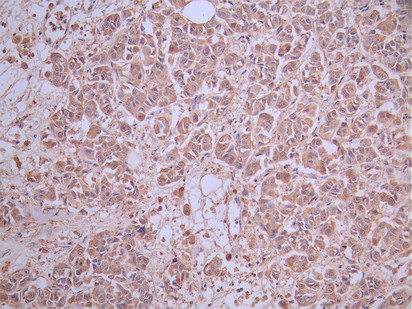
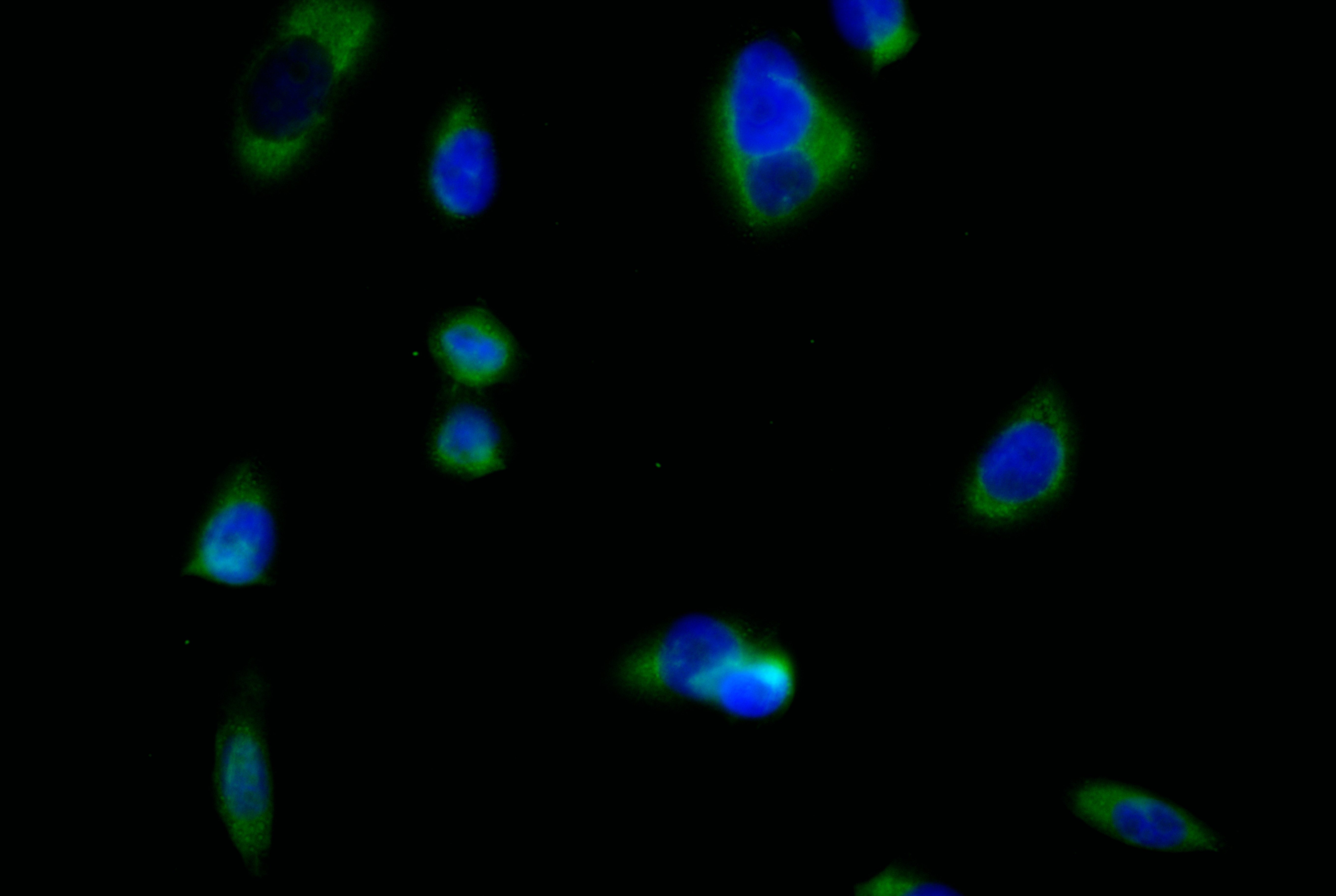
Validation studies demonstrate reliable detection of human SIGLEC15 across multiple experimental platforms. Immunohistochemistry performed on paraffin-embedded human breast cancer tissue using citrate buffer antigen retrieval reveals clear target localization at dilutions between 1:50 and 1:200. Immunofluorescence analysis in PC-3 prostate cancer cells confirms membrane and cytoplasmic staining patterns consistent with known SIGLEC15 distribution, with the antibody performing effectively at 1:30 dilution when paired with FITC-conjugated anti-human IgG detection. The antibody is also validated for ELISA applications.
This antibody serves researchers investigating immune checkpoint biology, tumor microenvironment characterization, and osteoclast function. Its demonstrated performance in both tissue sections and cultured cells makes it particularly suitable for studies examining SIGLEC15 expression patterns across different cancer types or exploring this target's potential as a therapeutic intervention point.
There are currently no reviews for this product.





