
Call us
301-363-4651 (Available 9 a.m. to 5 p.m. CST from Monday to Friday)

| Code | CSB-RA944215A0HU |
| Size | US$210 |
| Order now | |
| Image |
|
| Have Questions? | Leave a Message or Start an on-line Chat |
| Application | Recommended Dilution |
|---|---|
| IHC | 1:50-1:200 |
| IF | 1:50-1:200 |
| FC | 1:50-1:200 |
STAT2 serves as a critical component of the interferon-stimulated gene factor 3 complex, functioning as an essential mediator of type I interferon signaling. When cells encounter viral infection or other immune challenges, STAT2 becomes phosphorylated and partners with STAT1 and IRF9 to drive the transcription of interferon-stimulated genes. This central role in antiviral defense and immune regulation makes STAT2 a valuable target for researchers investigating innate immunity, viral pathogenesis, and interferon-related disorders.
This recombinant monoclonal antibody, clone 4B3, offers the reproducibility that demanding signal transduction studies require. Because the antibody sequence is defined and produced recombinantly in rabbit host cells, you can expect consistent performance across experiments and between lot numbers, eliminating the variability that can complicate long-term research projects or multi-site collaborations.
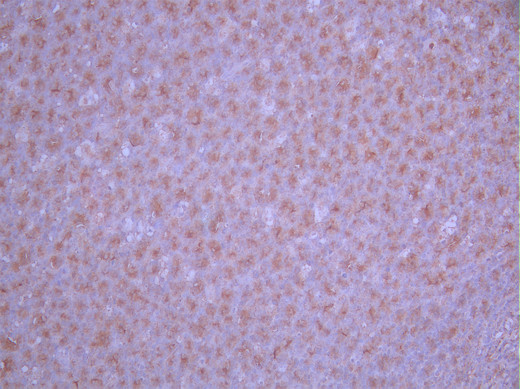
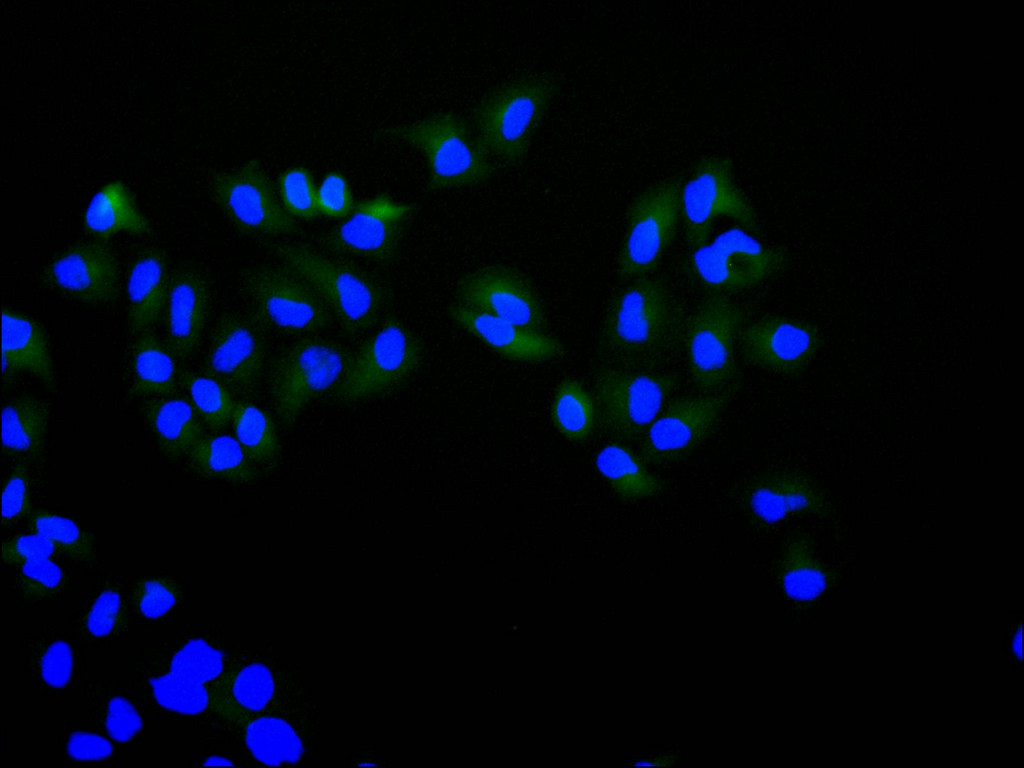
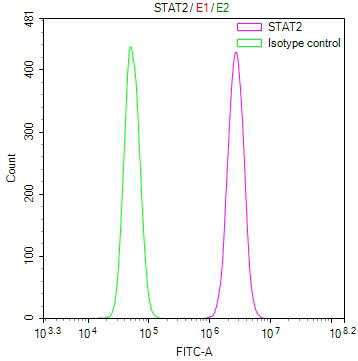
Validation across multiple detection platforms demonstrates the flexibility of this reagent in your experimental workflows. Immunohistochemistry studies in paraffin-embedded human tonsil tissue using a Leica Bond system with citrate buffer antigen retrieval show clear target detection at 1:100 dilution. Immunofluorescence analysis in HeLa cells reveals distinct staining patterns when counterstained with DAPI, while flow cytometry experiments in 786-O renal carcinoma cells demonstrate a clear positive shift compared to isotype control. These validated applications at dilutions ranging from 1:50 to 1:200 provide starting points you can optimize for your specific experimental conditions.
Whether you are characterizing interferon responses in tissue sections, examining STAT2 localization in cultured cells, or quantifying expression levels by flow cytometry, this antibody supports diverse approaches to understanding signal transduction pathways in human samples.
There are currently no reviews for this product.





