
Call us
301-363-4651 (Available 9 a.m. to 5 p.m. CST from Monday to Friday)

ASGR1 is the main functional subunit of the asialoglycoprotein receptor (ASGPR), which is almost specifically expressed in hepatocytes, giving it unique value in liver physiological regulation and targeted therapy. On one hand, the liver specificity of ASGR1 provides a natural "anchor" for drug delivery, which can significantly reduce systemic exposure and off-target toxicity; on the other hand, it can be engineered for targeted protein degradation (TPD) or signal regulation, expanding therapeutic modalities. In recent years, the "SWEETS" molecule constructed based on the fusion of anti-ASGR1 antibody and RSPO2 receptor agonist has verified the feasibility of achieving tissue-specific Wnt signal regulation and liver function recovery through ASGR1 in clinical studies [1]. These advances highlight the potential of ASGR1 to transform from a classic clearance receptor to a multifunctional therapeutic target.
1. Molecular Function and Endocytosis Mechanism of ASGR1
2. Mechanism of Action of ASGR1 in Diseases and Biomarker Potential
At the molecular level, ASGR1, as the main lectin subunit of the ASGPR complex, mediates high-affinity recognition of terminal galactose and GalNAc residues, and is the core pathway for liver clearance of asialoglycoproteins. This specificity also forms the theoretical basis for GalNAc-conjugated oligonucleotides (ASO) to achieve efficient liver-targeted delivery, and its endocytosis efficiency and efficacy are significantly better than those of unconjugated molecules [2,3]. Studies have shown that ASGR1 homologs can support effective endocytosis in various models, and ASGR2 is not essential, but its potential role in receptor stability and regulation remains to be elucidated [3]. In addition, ASGR1 is also involved in the regulation of lysosomal degradation of LDLR, forming a cross-talk with classical pathways such as PCSK9, suggesting its systemic influence in cholesterol homeostasis [4].
In the context of metabolic diseases, ASGR1 is considered an important hub connecting hepatocyte glycoprotein clearance function and systemic energy metabolism homeostasis. Multiple population genetic studies and animal models consistently show that reduced ASGR1 function is closely associated with improved lipid profiles and enhanced insulin sensitivity, but its biological effects exhibit obvious tissue specificity and context dependence.
At the human genetic level, loss of function or haploinsufficiency of ASGR1 is significantly associated with reduced levels of non-high-density lipoprotein cholesterol (non-HDL-C) and low-density lipoprotein cholesterol (LDL-C), and this association is consistent across different populations, providing a causal clue for ASGR1 involvement in lipid metabolism regulation [7]. Mechanistic studies have shown that ASGR1 deficiency can affect liver lipoprotein metabolism through multiple pathways: on one hand, it downregulates the expression of microsomal triglyceride transfer protein (MTTP) and PCSK9, thereby inhibiting VLDL assembly and secretion; on the other hand, it upregulates INSIG1 expression, enhancing its endoplasmic reticulum retention effect on SREBP, leading to overall downregulation of SREBP-mediated lipogenic genes, ultimately resulting in a phenotype of reduced plasma LDL-C and VLDL levels [5]. The ASGR1–INSIG1–SREBP regulatory axis is considered the core molecular basis for ASGR1 affecting lipid homeostasis.
In terms of glucose metabolism, ASGR1 deficiency also shows potential metabolic benefits. Studies in high-fat diet-induced animal models have shown that ASGR1 deficiency enhances the activity of the hepatic PI3K–AKT signaling pathway, inhibits the expression of gluconeogenesis-related genes, and improves systemic insulin resistance, thereby alleviating metabolic syndrome-related phenotypes [6]. These findings suggest that ASGR1 not only regulates lipid metabolism but may also participate in the coupled regulation of glucose and lipid metabolism by affecting insulin signal transduction. However, it is worth noting that long-term ASGR1 deficiency can lead to redistribution of lipids to adipose tissue, accompanied by increased visceral fat accumulation and risk of liver inflammation, suggesting that its metabolic benefits are not absolutely advantageous under all dietary or genetic backgrounds [8].
In the field of cardiovascular diseases, ASGR1 is regarded as a novel regulatory factor with potential protective effects, and its influence is mainly achieved by regulating blood lipid levels and the atherosclerotic process. Large-scale population genetic analysis first proposed that reduced function caused by ASGR1 variants is significantly associated with a decreased risk of coronary artery disease (CAD), and this effect is independent of traditional cardiovascular risk factors, providing important epidemiological evidence for ASGR1 as a potential therapeutic target [7].
Animal models have further verified the causality of this association. Studies based on ASGR1 knockout pig models have shown that under normal diet conditions, knockout individuals exhibit age-dependent reduction in non-HDL-C; under pro-atherosclerotic diet stimulation, ASGR1 deficiency significantly reduces atherosclerotic plaque formation. The molecular mechanism is reflected in the downregulation of HMGCR, a key enzyme for endogenous cholesterol synthesis in the liver, and upregulation of LDLR expression, thereby simultaneously reducing cholesterol production and enhancing peripheral clearance [9]. This dual regulatory mode is highly consistent with the lipid improvement observed clinically.
However, the cardiovascular benefit should also be accompanied by a careful assessment of liver safety. Some animal studies have observed mild to moderate liver injury under the condition of complete ASGR1 knockout, suggesting that there may be significant differences in biological consequences between hereditary long-term deficiency and pharmacological partial inhibition [9]. In addition, small-sample clinical studies have reported reduced ASGR1 expression in peripheral blood monocytes of patients with coronary heart disease, but the causal relationship is still unclear, which may reflect secondary changes under disease conditions rather than pathogenic driving factors [10].
Overall, current evidence supports that reduced ASGR1 function can inhibit the progression of atherosclerosis by reducing non-HDL-C and LDL-C levels, thereby providing cardiovascular protective effects. However, its clinical translation still faces key issues, including determining a safe and effective inhibition intensity, avoiding adverse liver reactions, and clarifying the risk-benefit ratio in populations with different metabolic backgrounds. Therefore, before ASGR1 is used as an intervention target for cardiovascular diseases, systematic evaluation combined with long-term pharmacological simulation, dose stratification, and liver toxicity mechanism research is still required.
In virology research, ASGR1 has been proposed as a potential co-receptor for SARS-CoV-2 in hepatocytes, and its ability to mediate pseudovirus entry under conditions of low ACE2 expression has been verified in various in vitro models [11,12]. In contrast, the evidence for the interaction between hepatitis E virus (HEV) and ASGPR is more direct: the ORF2 protein can bind to the extracellular domain of ASGPR and mediate virus entry [13]. Despite this, these findings are still mainly based on in vitro experiments, and their true contribution to in vivo pathogenesis and therapeutics remains to be further verified.
In hepatocellular carcinoma, ASGR1 has been established as a functional tumor suppressor, and its downregulation is associated with DNA methylation and poor prognosis [14]. Mechanistic studies have shown that ASGR1 inhibits STAT3 phosphorylation by promoting NLK-STAT3 interaction, thereby blocking pro-tumor signaling pathways [14]. In addition, studies based on ASGR1 expression in circulating epithelial cells have proposed its potential as a biomarker for HCC risk stratification and prognosis [15].
Currently, ASGR1-targeted drug development covers multiple types including small molecules, fusion proteins, siRNA, antibodies, and ADCs. BHV-1300 (for autoimmune diseases) and SZN-043 (for alcoholic hepatitis) have entered Phase 1 clinical trials; multiple preclinical projects focus on cardiovascular diseases, involving institutions such as Fuyuan Pharmaceutical and Wuhan University; ADCs are also being explored for the treatment of liver cirrhosis. Some of the research pipelines are summarized in the table below:
| Drug Name | Type | Indications | Development Stage | Research Institution |
|---|---|---|---|---|
| BHV-1300 | Monoclonal antibody | Autoimmune diseases | Phase 1 | BHV |
| SZN-043 | Small molecule inhibitor | Alcoholic hepatitis | Phase 1 | SZN |
| ASGR1 siRNA | Nucleic acid drug | Cardiovascular diseases/hyperlipidemia | Preclinical | Fuyuan Pharmaceutical |
| ASGR1 inhibitor | Small molecule compound | Cardiovascular diseases/atherosclerosis | Preclinical | Wuhan University |
| ASGR1 ADC | Antibody-drug conjugate | Liver cirrhosis | Preclinical | Multiple institutions |
| SWEETS molecule | Fusion protein | Liver function injury repair | Preclinical | Multiple research institutions |
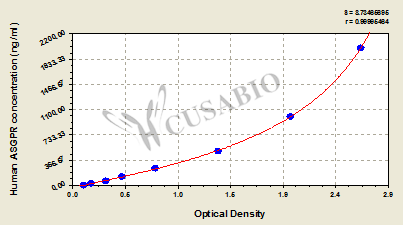
ASGR1 has the dual attributes of a biological target and a delivery anchor, demonstrating important research and application value in the fields of metabolic diseases, cardiovascular diseases, viral infections, and oncology. CUSABIO provides ASGR1 recombinant proteins, antibodies, and ELISA kits to support your mechanistic research and targeted drug development.
● ASGR1 Recombinant Proteins
Recombinant Rat Asialoglycoprotein receptor 1 (Asgr1), partial (Active); CSB-MP002207RA1b0
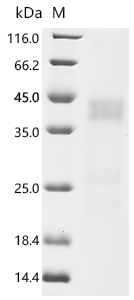
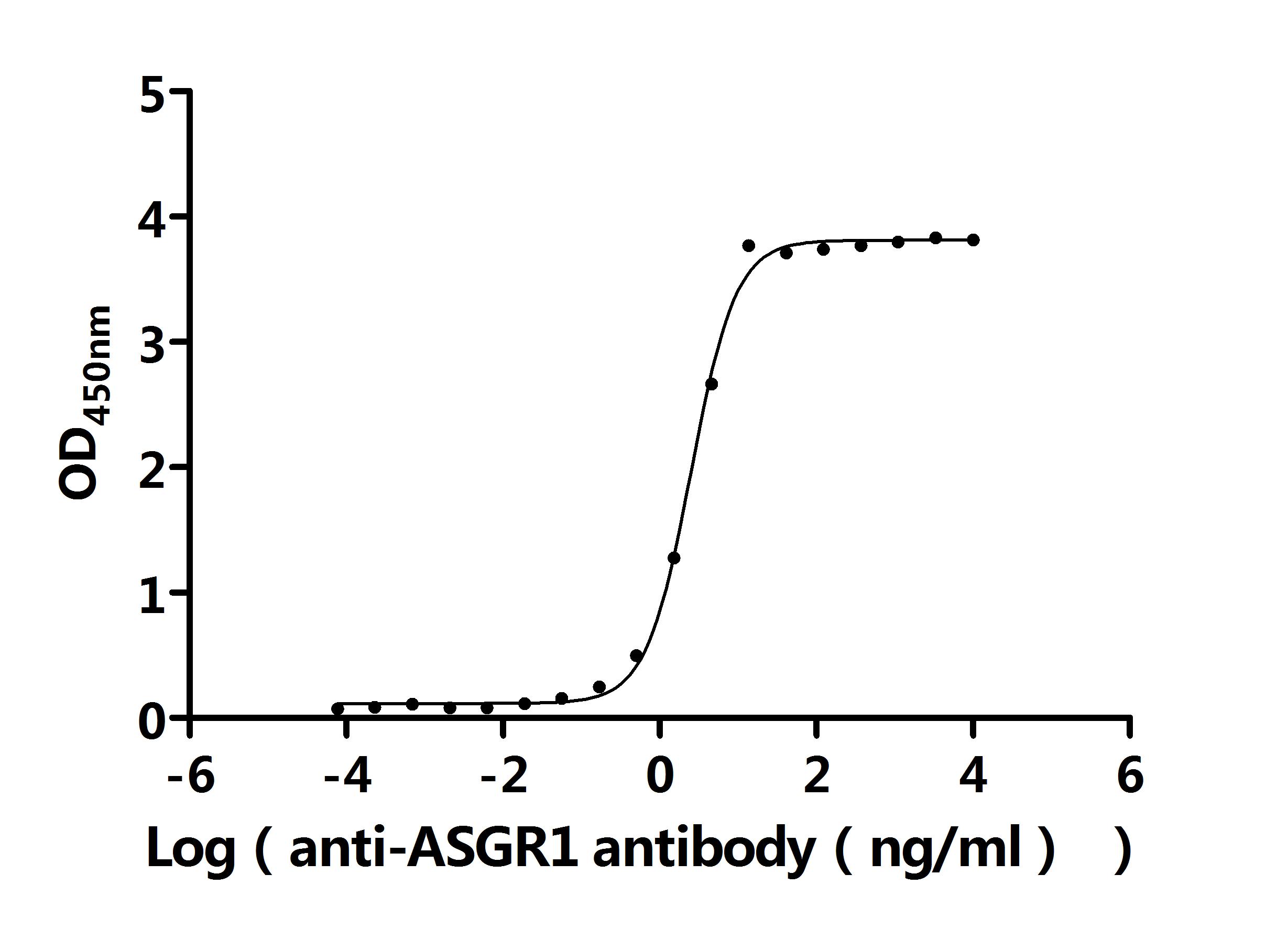

Recombinant Human Asialoglycoprotein receptor 1 (ASGR1)-Detergent (Active); CSB-MP002207HU(A4)-D
-D-SDS.jpg)
-D-AC1.jpg)
-D-AC2.jpg)
● ASGR1 Antibodies
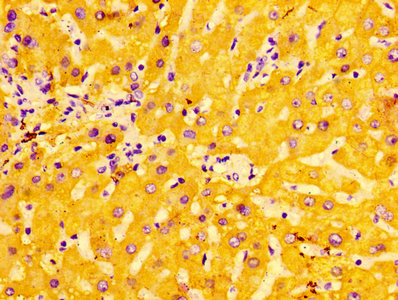
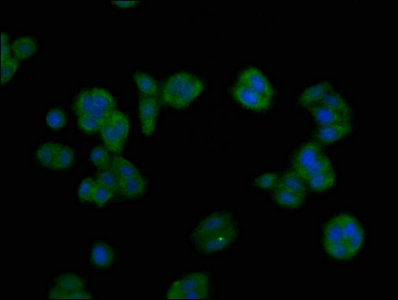
ASGR1 Antibody; CSB-PA17469A0Rb
● ASGR1 ELISA Kits
References
[1] Parthasarathy Sampathkumar, Heekyung Jung, Hui Chen, Zhengjian Zhang, Nicholas Suen, Yiran Yang, Zhong Huang, Tom Lopez, Robert Benisch, Sung‐Jin Lee, Jay Ye, Wen‐Chen Yeh, Yang Li.(2024). Targeted protein degradation systems to enhance Wnt signaling.
[2] Michael Tanowitz, Lisa Hettrick, Alexey S. Revenko, Garth A. Kinberger, Thazha P. Prakash, Punit P. Seth.(2017). Asialoglycoprotein receptor 1 mediates productive uptake of N-acetylgalactosamine-conjugated and unconjugated phosphorothioate antisense oligonucleotides into liver hepatocytes.
[3] Michael Tanowitz, Lisa Hettrick, Alexey S. Revenko, Garth A. Kinberger, Thazha P. Prakash, Punit P. Seth.(2017). Asialoglycoprotein receptor 1 mediates productive uptake of N-acetylgalactosamine-conjugated and unconjugated phosphorothioate antisense oligonucleotides into liver hepatocytes.
[4] Harry Aldworth, Nigel M. Hooper.(2024). Post-translational regulation of the low-density lipoprotein receptor provides new targets for cholesterol regulation.
[5] Yingying Xu, Jiawang Tao, Xiaorui Yu, Yuhang Wu, Yan Chen, Kai You, Jiaye Zhang, Anteneh Getachew, Tingcai Pan, Yuanqi Zhuang, Fang Yuan, Fan Yang, Xian-Hua Lin, Yinxiong Li.(2021). Hypomorphic ASGR1 modulates lipid homeostasis via INSIG1-mediated SREBP signaling suppression.
[6] Xiaorui Yu, Jiawang Tao, Yuhang Wu, Yan Chen, Penghui Li, Fan Yang, Miaoxiu Tang, Abdul Sammad, Tao Yu, Yingying Xu, Yinxiong Li.(2024). Deficiency of ASGR1 Alleviates Diet-Induced Systemic Insulin Resistance via Improved Hepatic Insulin Sensitivity.
[7] Paul Nioi, Ásgeir Sigurðsson, Guðmar Þorleifsson, Hannes Helgason, Arna B. Agustsdottir, Gudmundur L. Norddahl, Anna Helgadóttir, Audur Magnusdottir, Áslaug Jónasdóttir, Sólveig Grétarsdóttir, Ingileif Jónsdóttir, Valgerður Steinthórsdóttir, Þórunn Rafnar, Dorine W. Swinkels, Tessel E. Galesloot, Niels Grarup, Torben Jørgensen, Henrik Vestergaard, Torben Hansen, Torsten Lauritzen, Allan Linneberg, Nele Friedrich, Nikolaj T. Krarup, Mogens Fenger, Ulrik Abildgaard, Peter Riis Hansen, Anders Galløe, Peter S. Braund, Christopher P. Nelson, Alistair S. Hall, Michael Williams, André M. van Rij, Gregory T. Jones, Riyaz Patel, Allan I. Levey, Salim S. Hayek, Svati H. Shah, Muredach P. Reilly, Guðmundur I. Eyjólfsson, Ólöf Sigurðardóttir, Ísleifur Ólafsson, Lambertus A. Kiemeney, Arshed A. Quyyumi, Daniel J. Rader, William E. Kraus, Mark M. Iles, Oluf Pedersen, Guðmundur Þorgeirsson, Gísli Másson, Hilma Hólm, Daníel F. Guðbjartsson, Patrick Sulem, Unnur Þorsteinsdóttir, Kári Stéfansson.(2016). VariantASGR1Associated with a Reduced Risk of Coronary Artery Disease.
[8] Monika Svecla, Lorenzo Da Dalt, Annalisa Moregola, Jasmine Nour, Andrea Baragetti, Patrizia Uboldi, Elena Donetti, Lorenzo Arnaboldi, Giangiacomo Beretta, Fabrizia Bonacina, Giuseppe Danilo Norata.(2024). ASGR1 deficiency diverts lipids toward adipose tissue but results in liver damage during obesity.
[9] Baocai Xie, Xiaochen Shi, Yán Li, Bo Xia, Jia Zhou, Minjie Du, Xiangyang Xing, Liang Bai, Enqi Liu, Fernando Álvarez, Long Jin, Shaoping Deng, Grant A. Mitchell, Dengke Pan, Mingzhou Li, Jiangwei Wu.(2021). Deficiency of ASGR1 in pigs recapitulates reduced risk factor for cardiovascular disease in humans.
[10] Homa Hamledari, Seyedeh Fatemeh Sajjadi, Asieh Alikhah, Mohammad Ali Boroumand, Mehrdad Behmanesh.(2019). ASGR1 but not FOXM1 expression decreases in the peripheral blood mononuclear cells of diabetic atherosclerotic patients.
[11] Xinyi Yang, Yuqi Zhu, Xiaying Zhao, Jun Liu, Jiangna Xun, Songhua Yuan, Jun Chen, Hanyu Pan, Jinlong Yang, Jing Wang, Zhimin Liang, Xiaoting Shen, Liang Yue, Qinru Lin, Huitong Liang, Min Li, Hongzhou Lu, Huanzhang Zhu.(2022). ASGR1 is a candidate receptor for SARS-CoV-2 that promotes infection of liver cells.
[12] Daniel P. Collins, Clifford J. Steer.(2021). Binding of the SARS-CoV-2 Spike Protein to the Asialoglycoprotein Receptor on Human Primary Hepatocytes and Immortalized Hepatocyte-Like Cells by Confocal Analysis.
[13] Li Zhang, Yabin Tian, Zhiheng Wen, Feng Zhang, Ying Qi, Weijin Huang, Heqiu Zhang, Youchun Wang.(2016). Asialoglycoprotein receptor facilitates infection of PLC/PRF/5 cells by HEV through interaction with ORF2.
[14] Xingxin Zhu, Guangyuan Song, Shiyu Zhang, Jun Chen, Xiaoyi Hu, Hai Zhu, Xing Jia, Zequn Li, Wenfeng Song, Jian Chen, Cheng Jin, Mengqiao Zhou, Yongchao Zhao, Haiyang Xie, Shusen Zheng, Penghong Song.(2022). Asialoglycoprotein Receptor 1 Functions as a Tumor Suppressor in Liver Cancer via Inhibition of STAT3.
[15] Amparo Roa Colomo, María Ángeles López Garrido, Pilar Molina-Vallejo, Ángela Rojas, Mercedes González Sanchez, Violeta Aranda-García, Javier Salmerón, Manuel Romero‐Gómez, Jordi Muntané, Javier Padillo–Ruiz, J.M. Álamo-Martínez, José A. Lorente, María José Serrano, M. Carmen Garrido-Navas.(2022). Hepatocellular carcinoma risk-stratification based on ASGR1 in circulating epithelial cells for cancer interception.




Comments
Leave a Comment