
Call us
301-363-4651 (Available 9 a.m. to 5 p.m. CST from Monday to Friday)

| Code | CSB-RA858020A0HU |
| Size | US$210 |
| Order now | |
| Image |
|
| Have Questions? | Leave a Message or Start an on-line Chat |
| Application | Recommended Dilution |
|---|---|
| WB | 1:500-1:2000 |
| IHC | 1:50-1:200 |
| IF | 1:50-1:200 |
| FC | 1:50-1:200 |
ACADM, also known as medium-chain specific acyl-CoA dehydrogenase, is a mitochondrial enzyme essential for fatty acid β-oxidation. This protein catalyzes the initial step in medium-chain fatty acid metabolism, making it a critical target for researchers investigating metabolic disorders, particularly MCAD deficiency—one of the most common inherited disorders of fatty acid oxidation. Understanding ACADM expression and localization provides valuable insights into mitochondrial function, energy metabolism, and related disease mechanisms.
This recombinant monoclonal antibody, clone 7B12, offers the reproducibility and consistency that demanding research requires. Developed using recombinant technology with a sequence-defined approach, it eliminates the lot-to-lot variability often encountered with traditional hybridoma-derived antibodies, ensuring your experimental results remain comparable across extended studies.
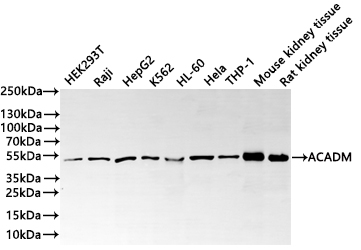
Extensive validation demonstrates this antibody's versatility across multiple experimental platforms. Western blot analysis confirms specific detection at the expected 47 kDa molecular weight across diverse human cell lines including HEK293T, Raji, HepG2, K562, HL-60, HeLa, and THP-1 cells. Cross-species reactivity extends to mouse and rat samples, with successful detection confirmed in kidney tissue lysates from both species—particularly valuable for translational studies using rodent models.
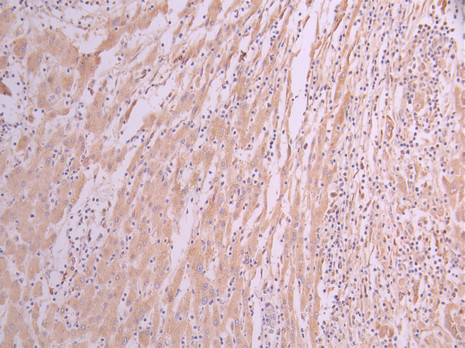
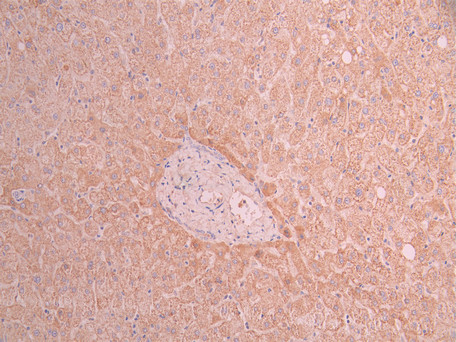
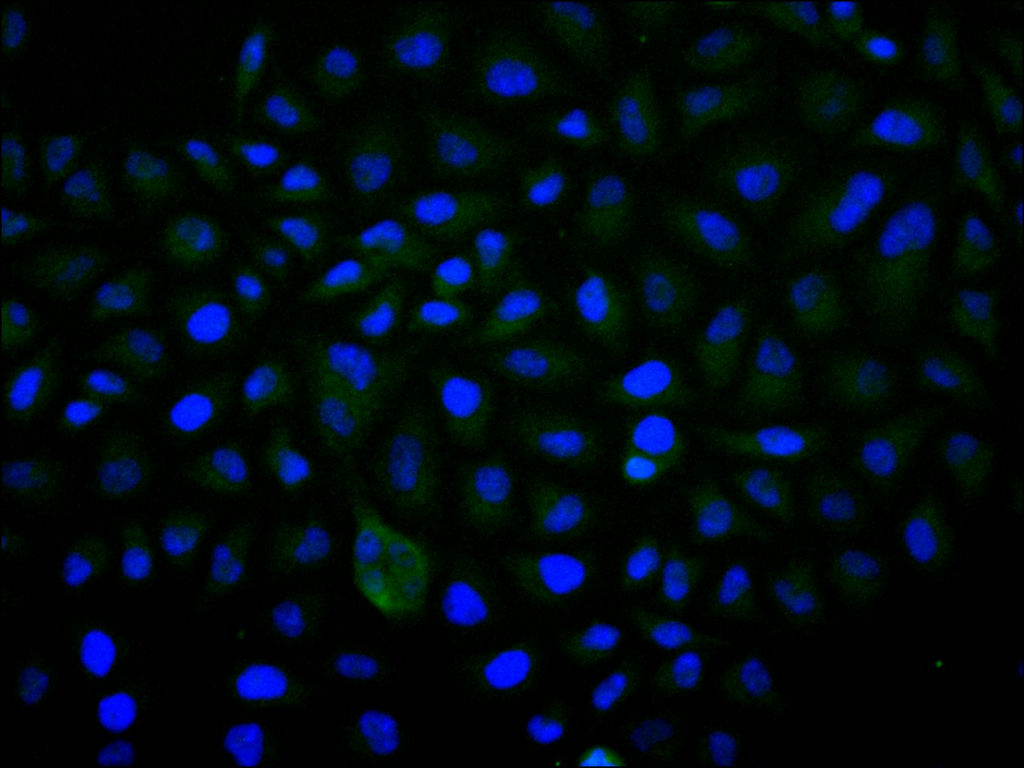
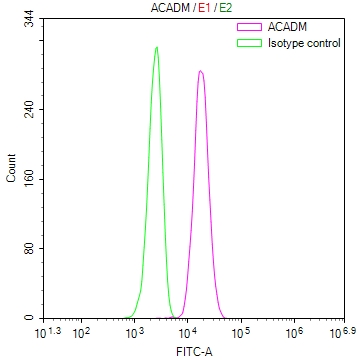
Immunohistochemistry validation in human liver tissue and liver cancer specimens demonstrates clear staining patterns suitable for pathological investigations. Additional confirmation through immunofluorescence in HeLa cells reveals subcellular localization patterns, while flow cytometry analysis in Jurkat cells provides quantitative detection capabilities for cell population studies.
This antibody serves researchers exploring fatty acid oxidation disorders, mitochondrial dysfunction, metabolic syndrome, and cancer metabolism where altered lipid processing plays a significant role.
There are currently no reviews for this product.





