
Call us
301-363-4651 (Available 9 a.m. to 5 p.m. CST from Monday to Friday)

| Code | CSB-RA001827MA1HU |
| Size | US$210 |
| Order now | |
| Image |
|
| Have Questions? | Leave a Message or Start an on-line Chat |
| Application | Recommended Dilution |
|---|---|
| IF | 1:20-1:200 |
| FC | 1:20-1:200 |
ANPEP, also known as CD13 or aminopeptidase N, is a zinc-dependent metalloprotease expressed on the surface of myeloid cells, epithelial cells, and various stem cell populations. This ectoenzyme plays multifaceted roles in peptide processing, cell migration, and signal transduction, making it a valuable marker in immunology research and stem cell biology. As a myeloid plasma membrane glycoprotein, CD13 serves as an important phenotypic marker for characterizing hematopoietic progenitors and investigating myeloid differentiation pathways.
This recombinant monoclonal antibody, clone 9C4, offers the reproducibility and consistency that demanding experimental workflows require. Because the antibody sequence is defined and produced through recombinant expression, researchers benefit from lot-to-lot uniformity that supports longitudinal studies and ensures comparable results across experiments. The mouse IgG2a isotype and affinity-chromatography purification contribute to reliable performance with minimal background interference.
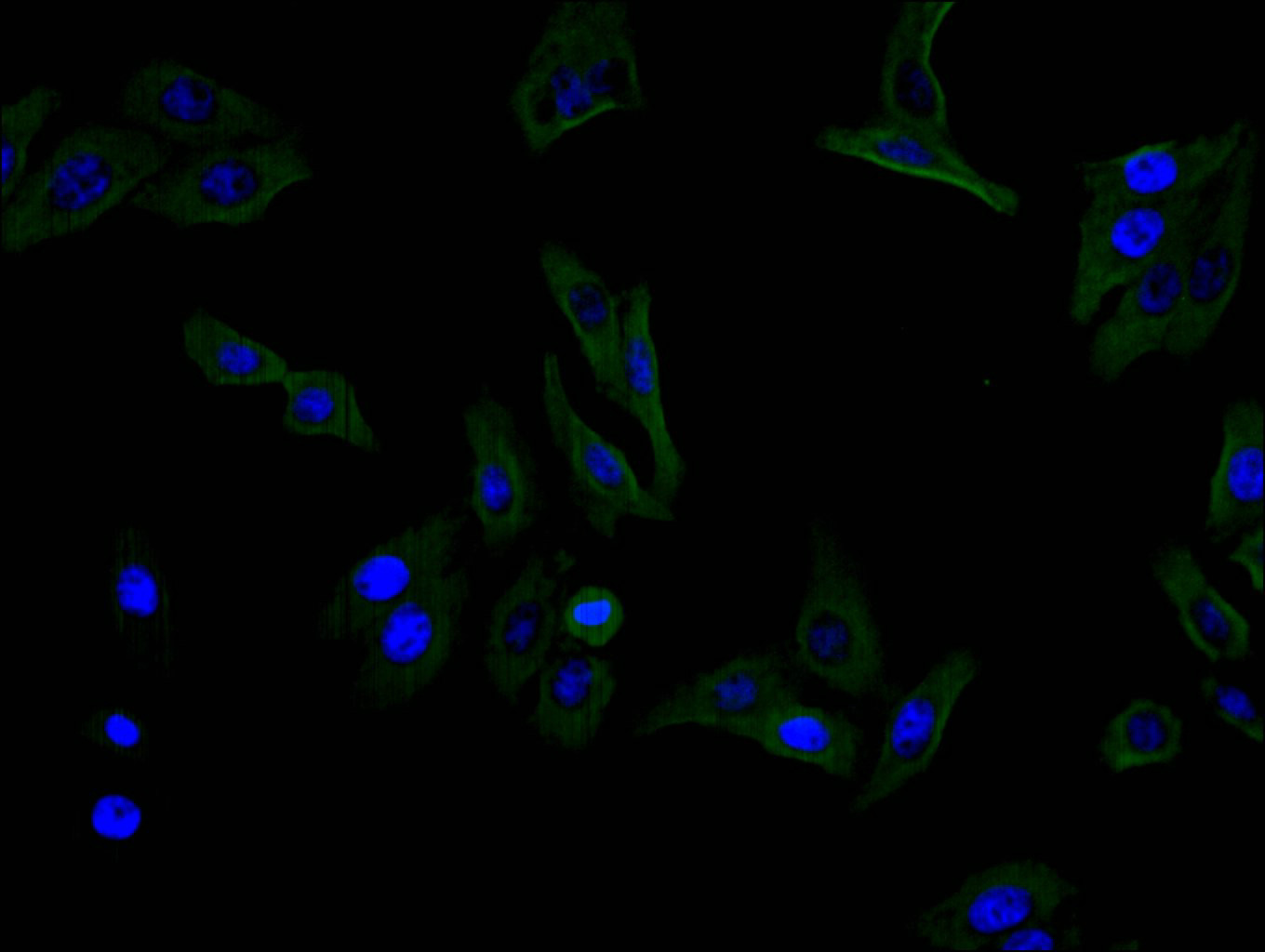
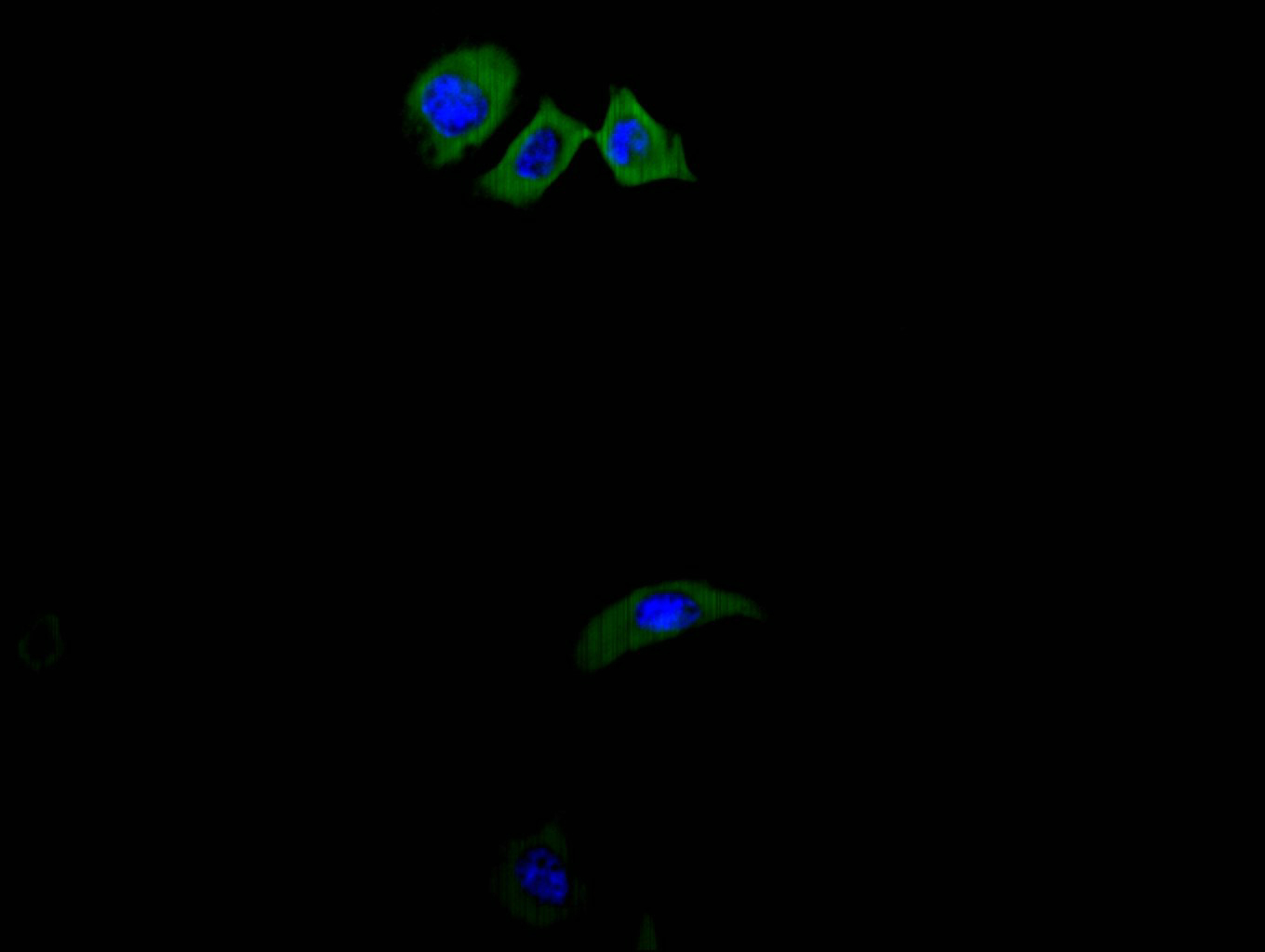
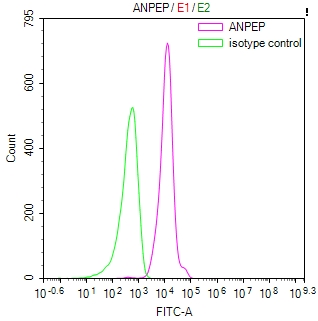
Validation studies demonstrate robust detection of human ANPEP across multiple experimental platforms. Immunofluorescence staining successfully visualized the target in both HEPG2 hepatocellular carcinoma cells and A549 lung adenocarcinoma cells at 1:100 dilution, revealing clear membrane-associated signal when counter-stained with DAPI. Flow cytometry analysis on 293 cells confirmed specific surface detection, with overlay histograms showing distinct positive population shifts compared to isotype control, supporting its utility for cell surface phenotyping applications.
The versatility across immunofluorescence and flow cytometry platforms provides researchers flexibility in experimental design, whether characterizing cell populations, investigating ANPEP expression patterns, or examining its role in cellular processes. This antibody serves as a dependable tool for investigators exploring myeloid biology, stem cell characterization, and related immunological questions.
There are currently no reviews for this product.





